Science
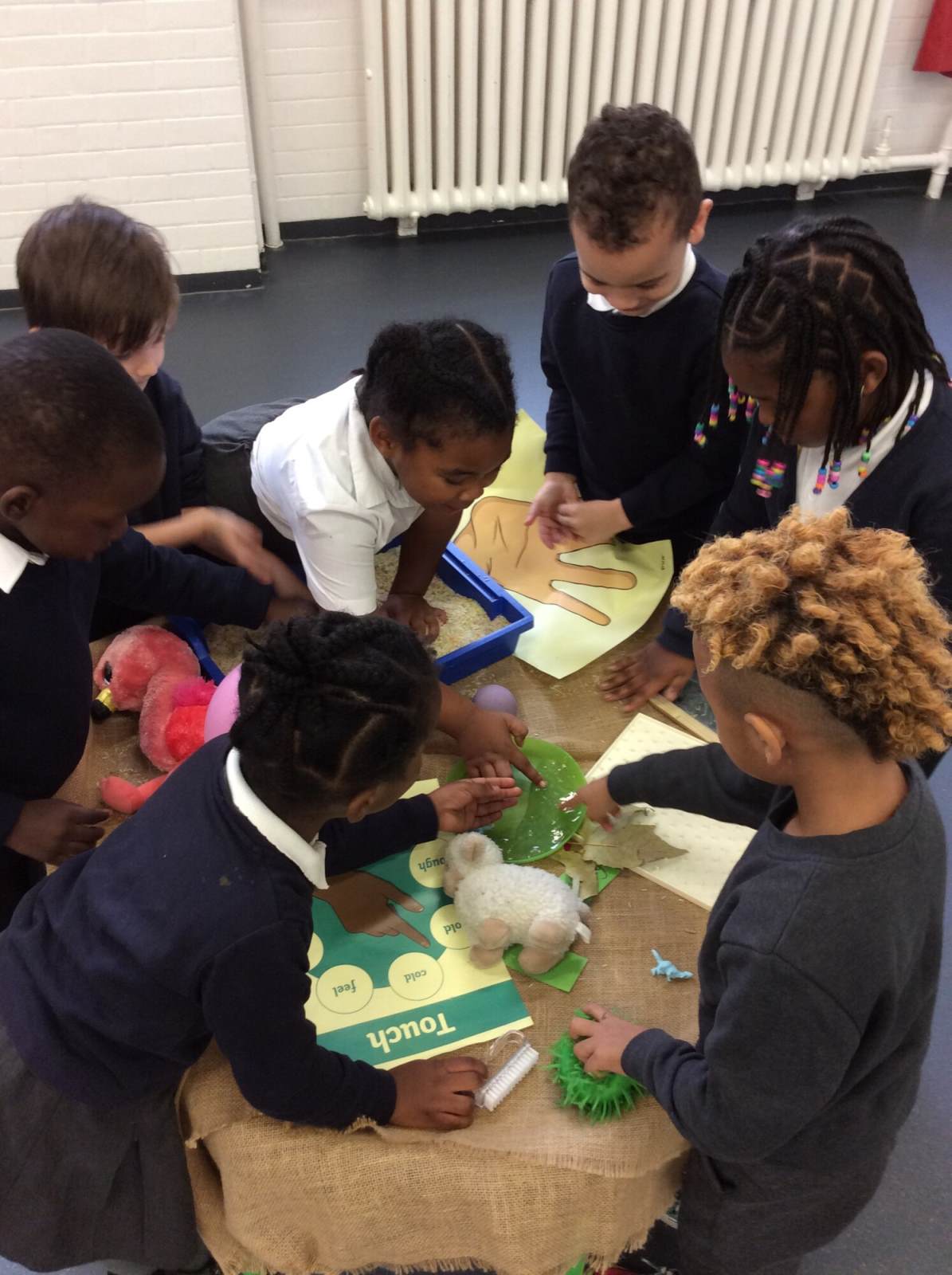
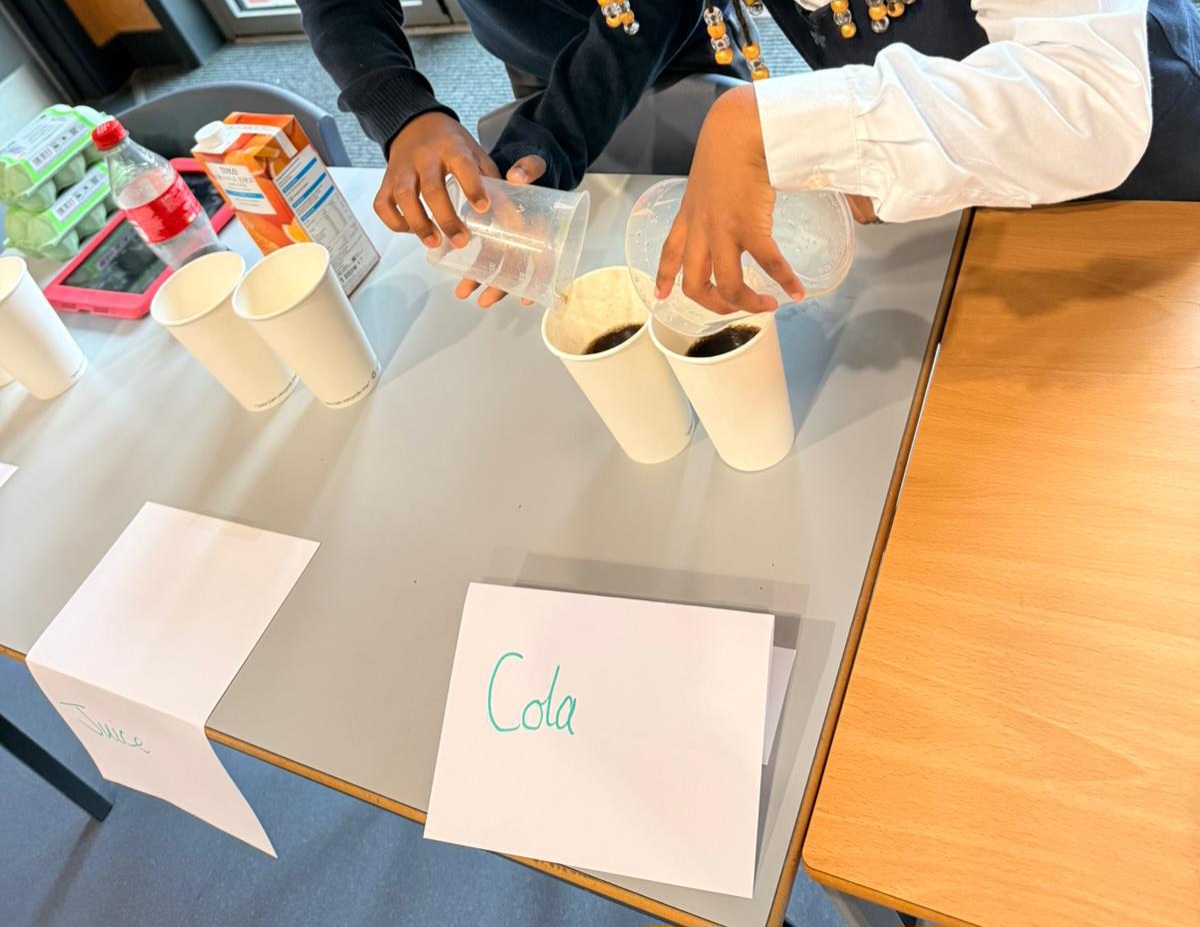
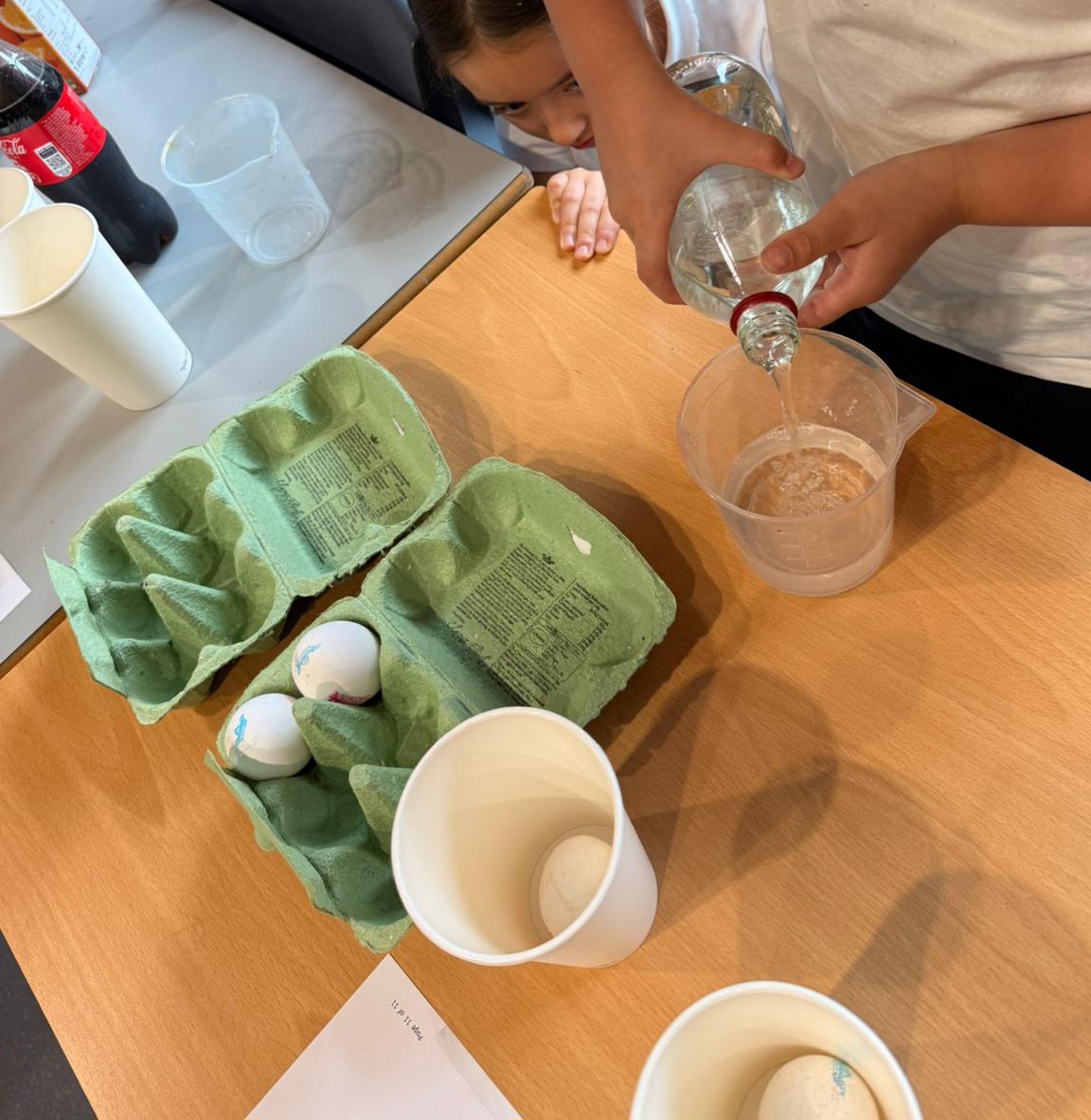
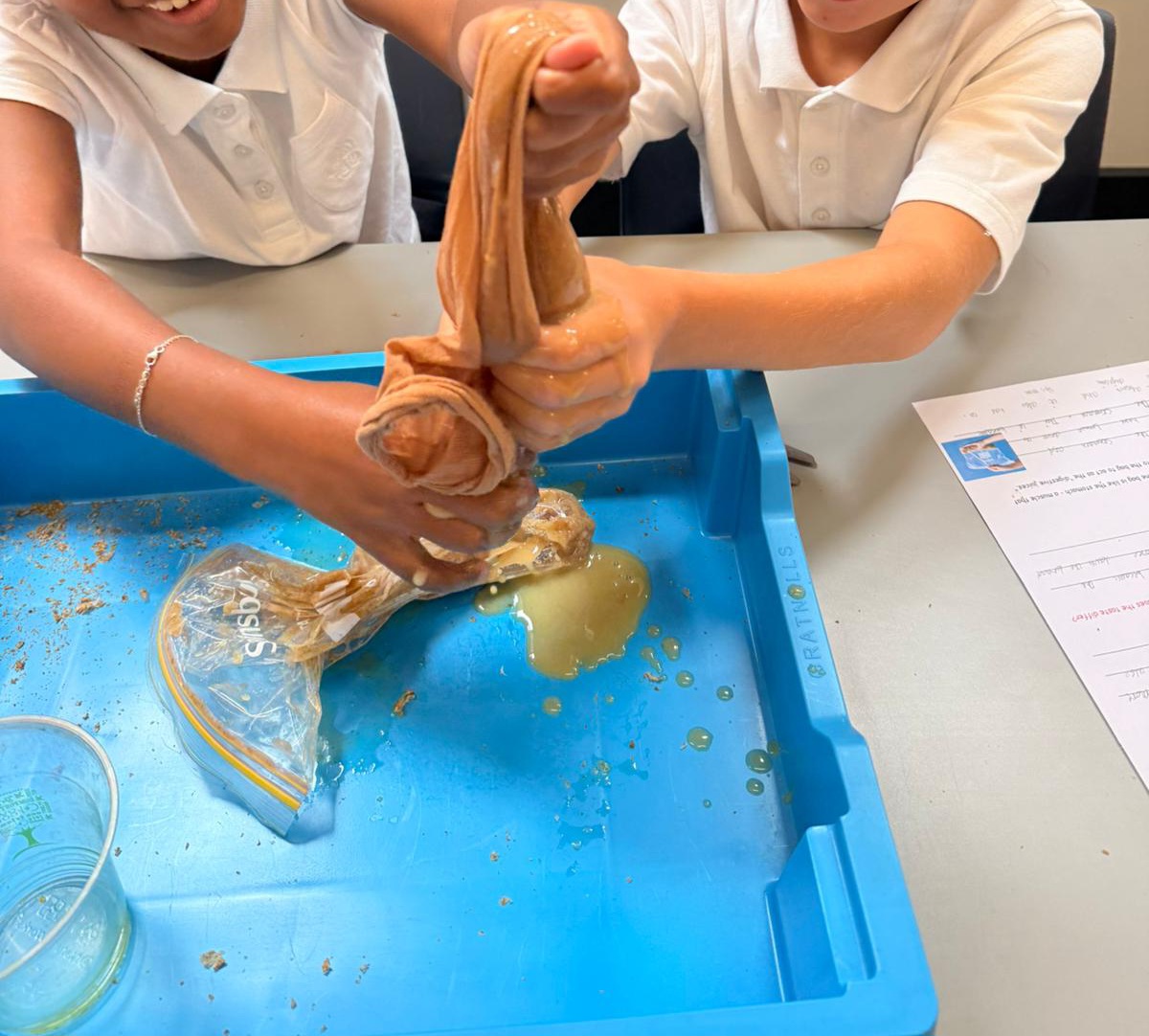
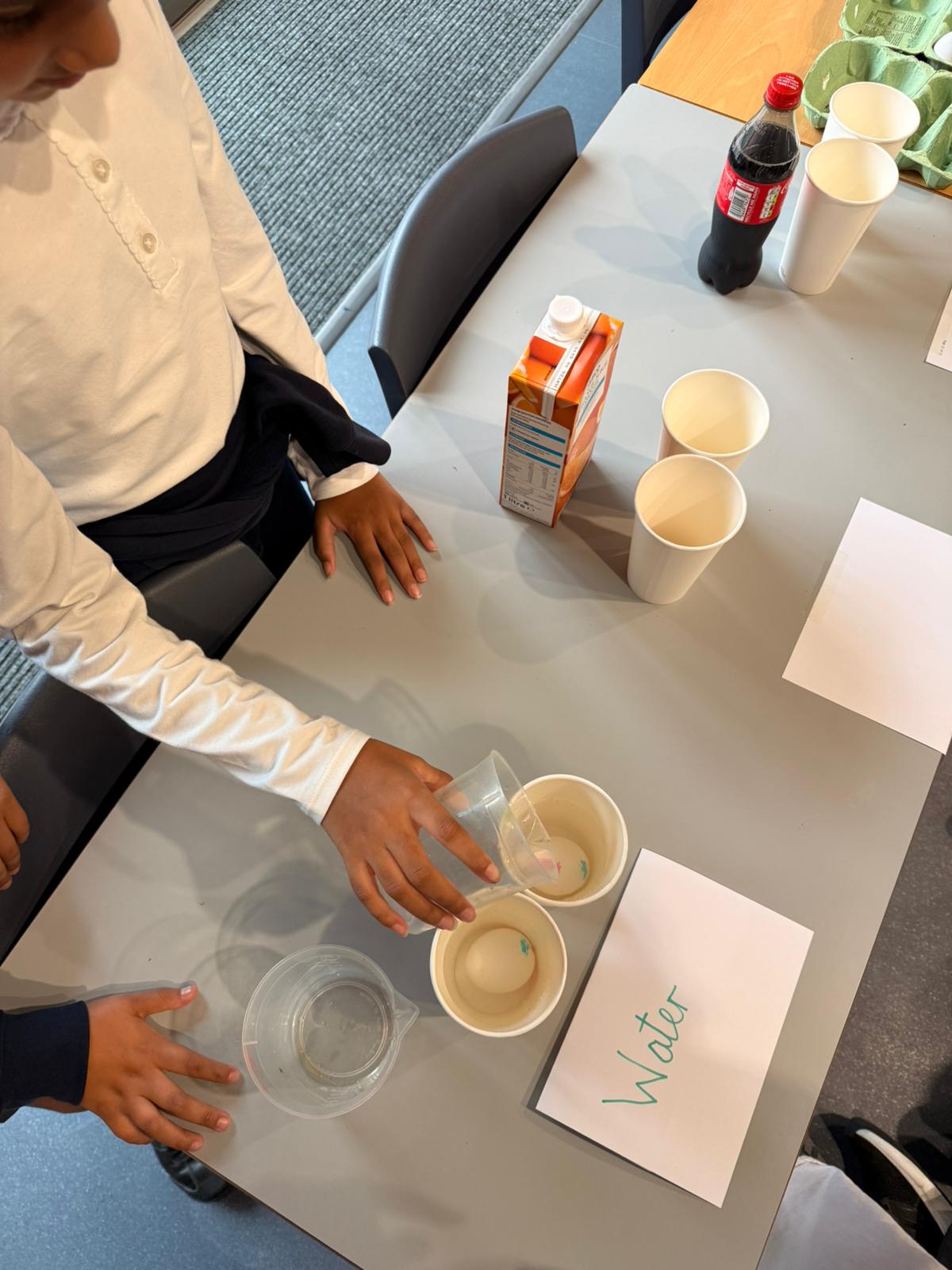
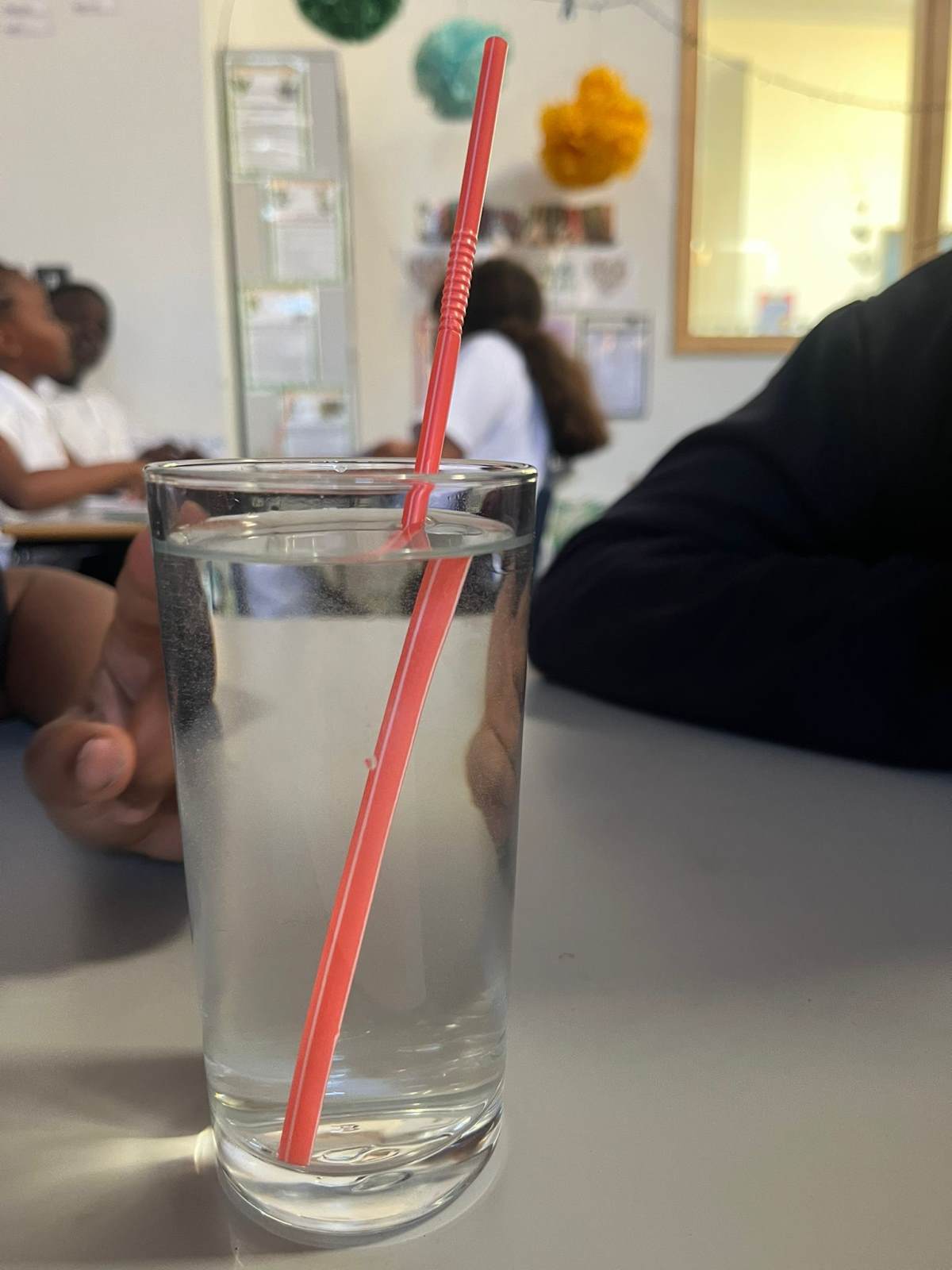
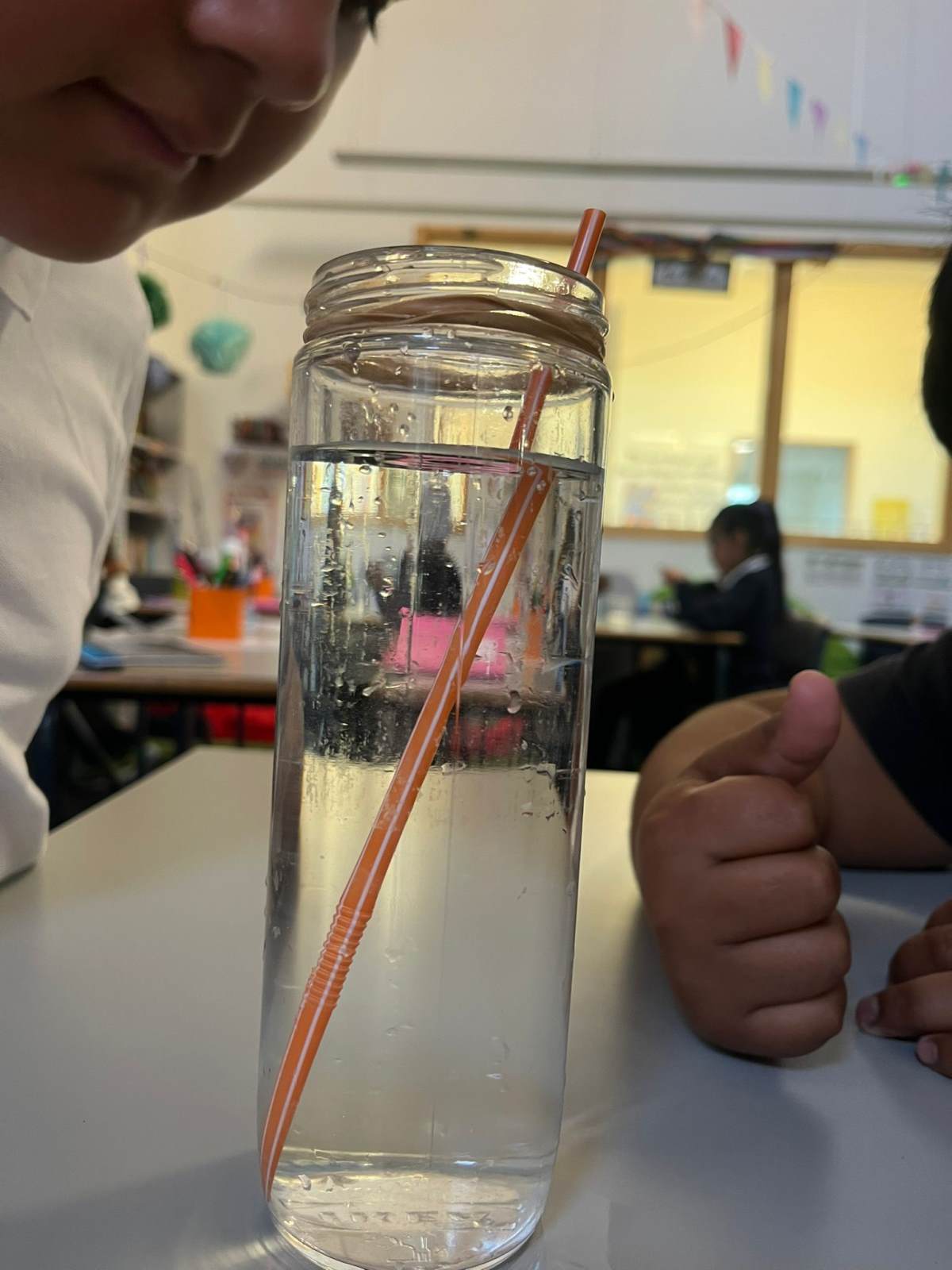
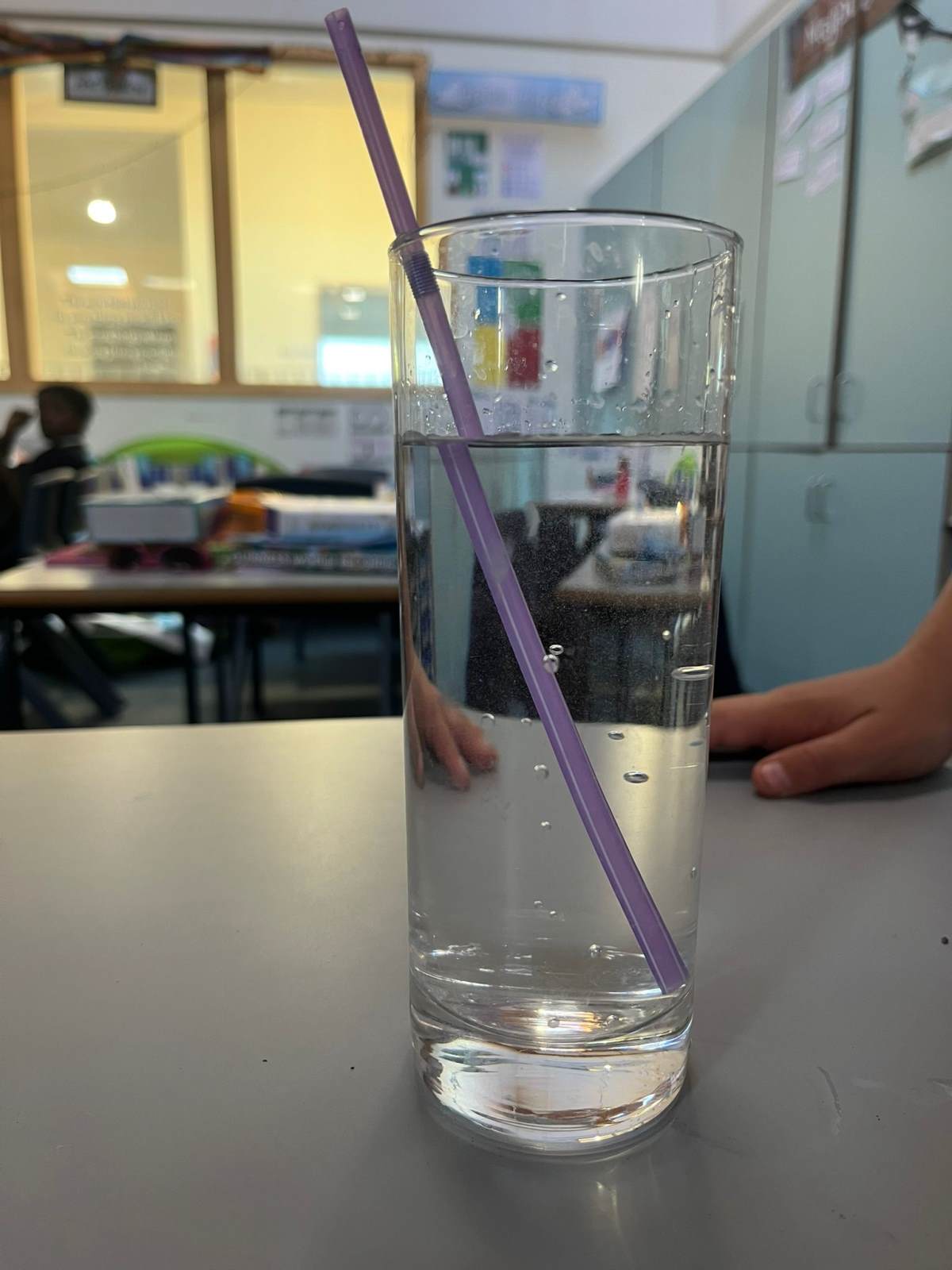
Science at Keyworth Primary School is all about curiosity, discovery and hands-on learning. We help children make sense of the world around them by encouraging them to ask questions, explore ideas and build their understanding through fun and practical experiences.
-
Knowledge Progress Map
download_for_offline
↑
download_for_offlineKnowledge Progress Map
- Science Curriculum Map download_for_offline
download_for_offlineScience Curriculum Map
- Science Curriculum Statement download_for_offline
download_for_offlineScience Curriculum Statement
- Skills Progression Map download_for_offline
download_for_offlineSkills Progression Map
What Do Children Learn?
Our Science curriculum is built around three main areas:
1.Biology
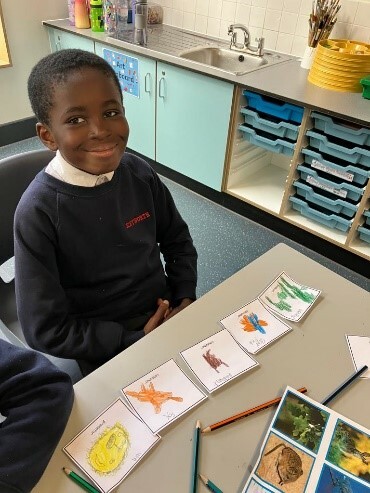
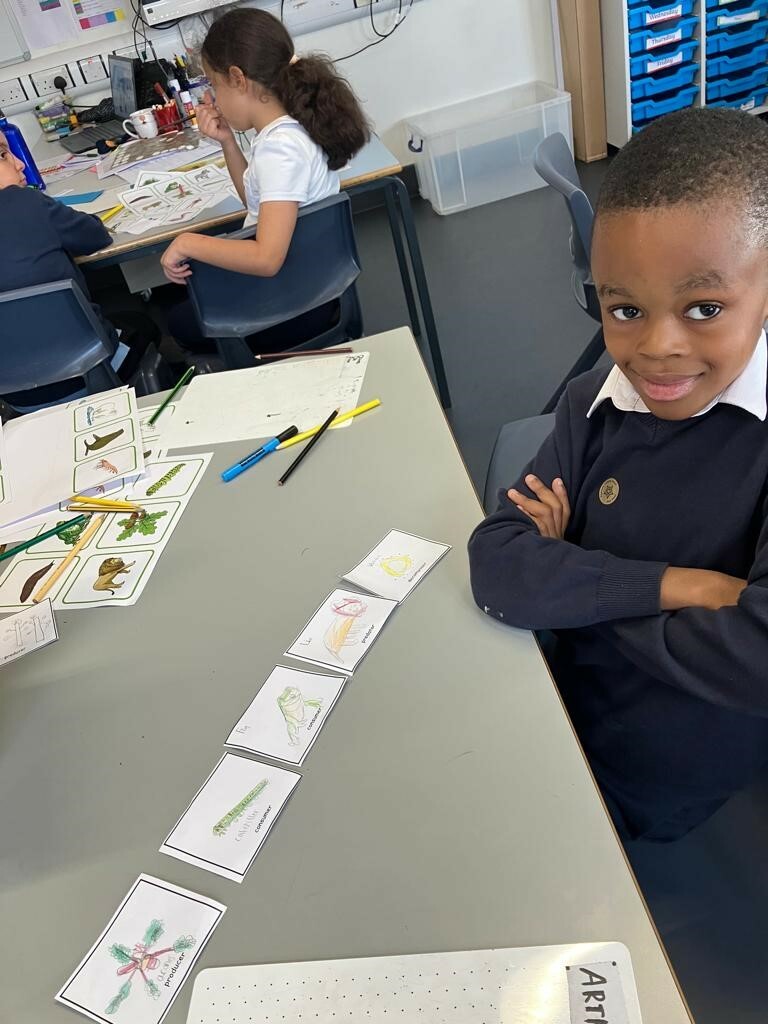
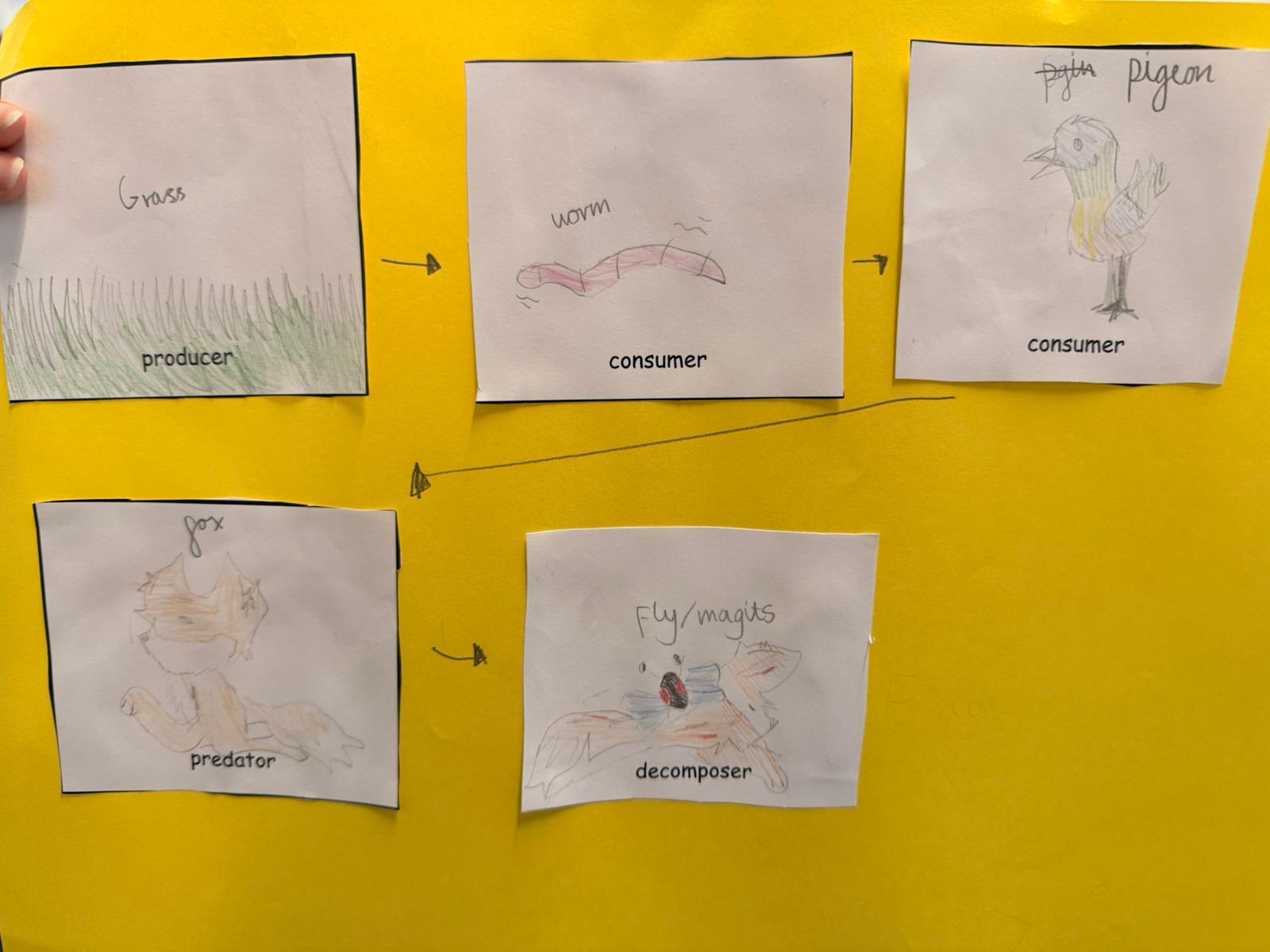
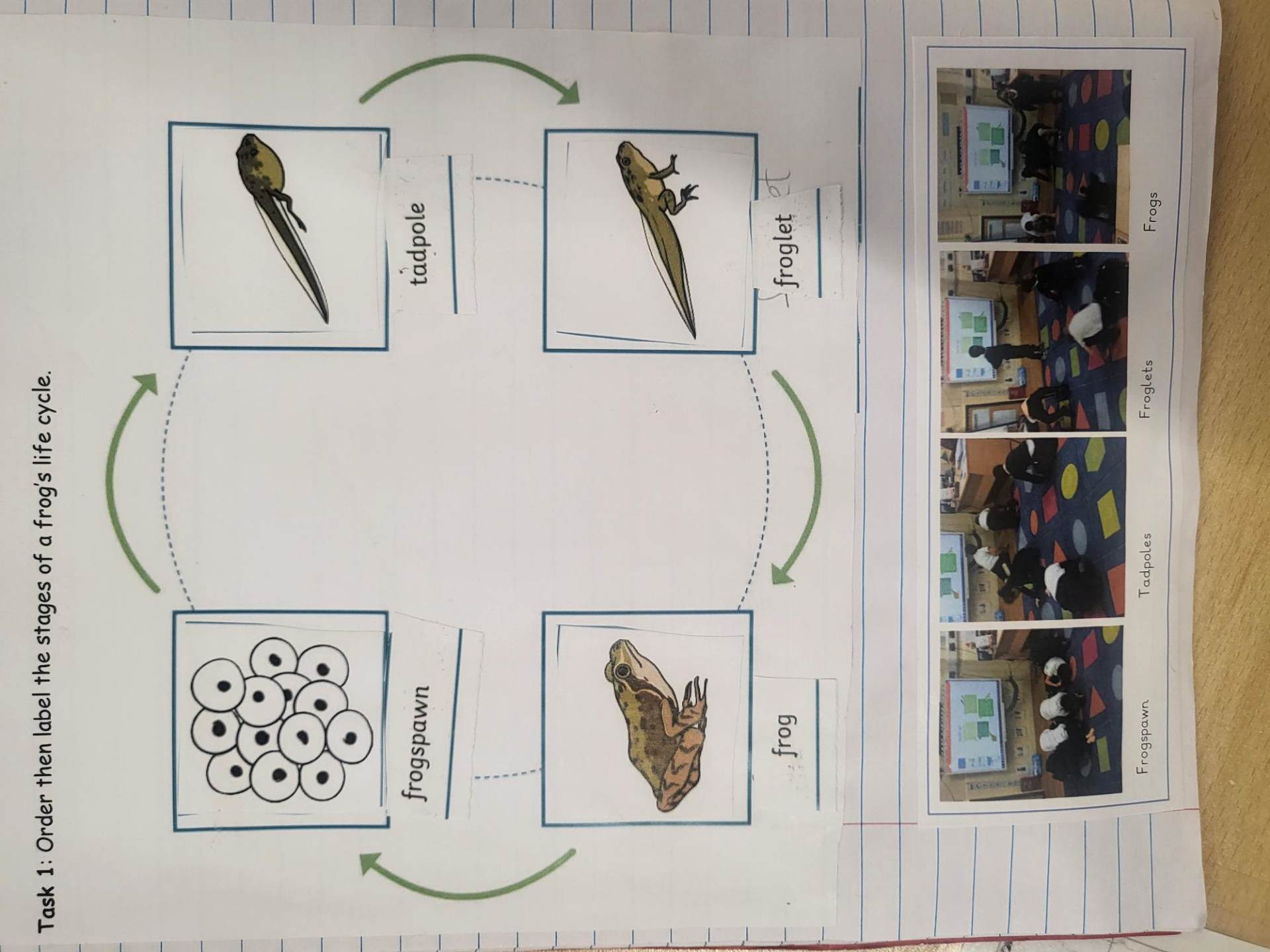
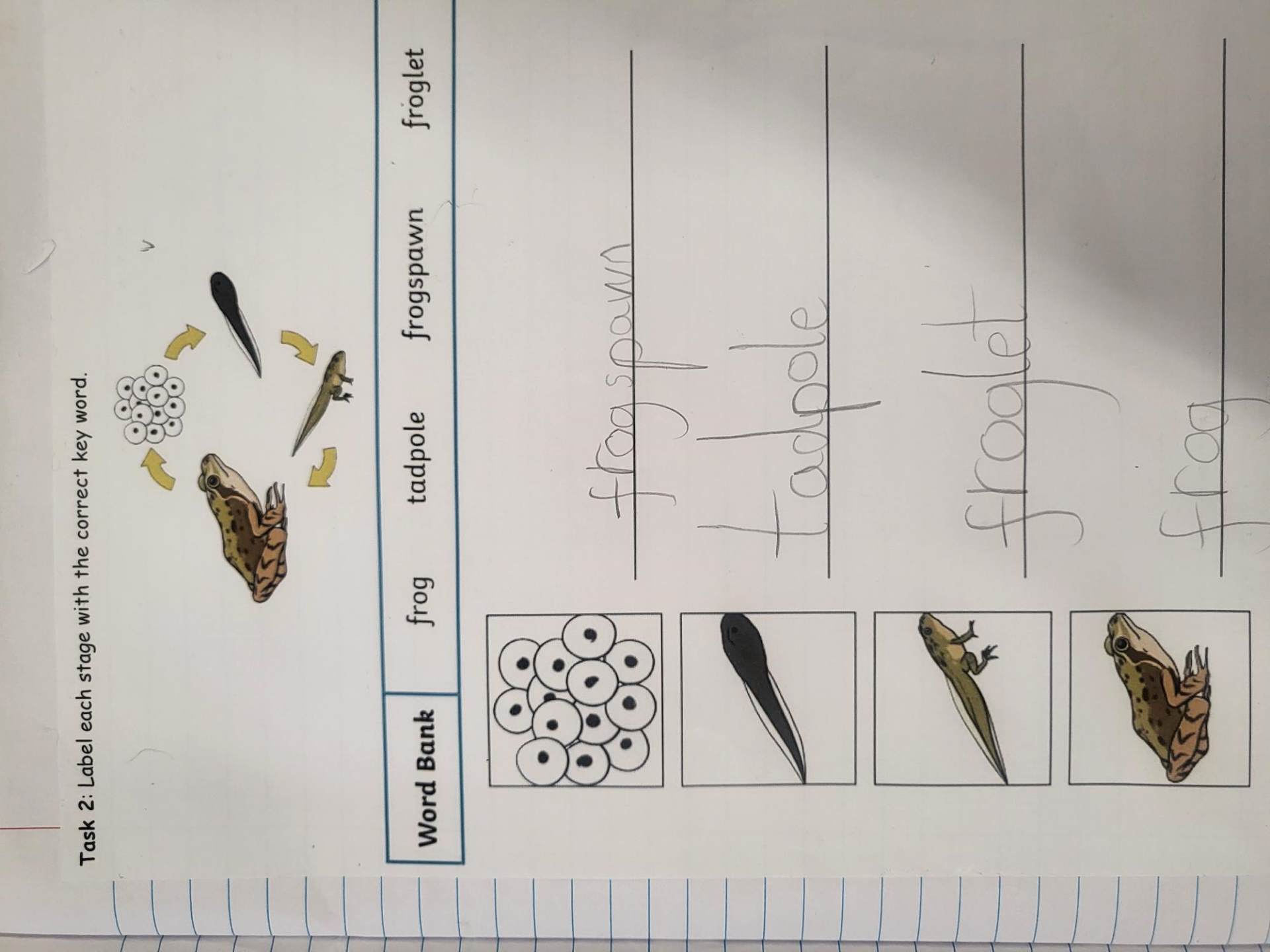
Children learn about animals, plants, and how humans grow and change. They investigate habitats, food chains and life cycles.
2. Chemistry
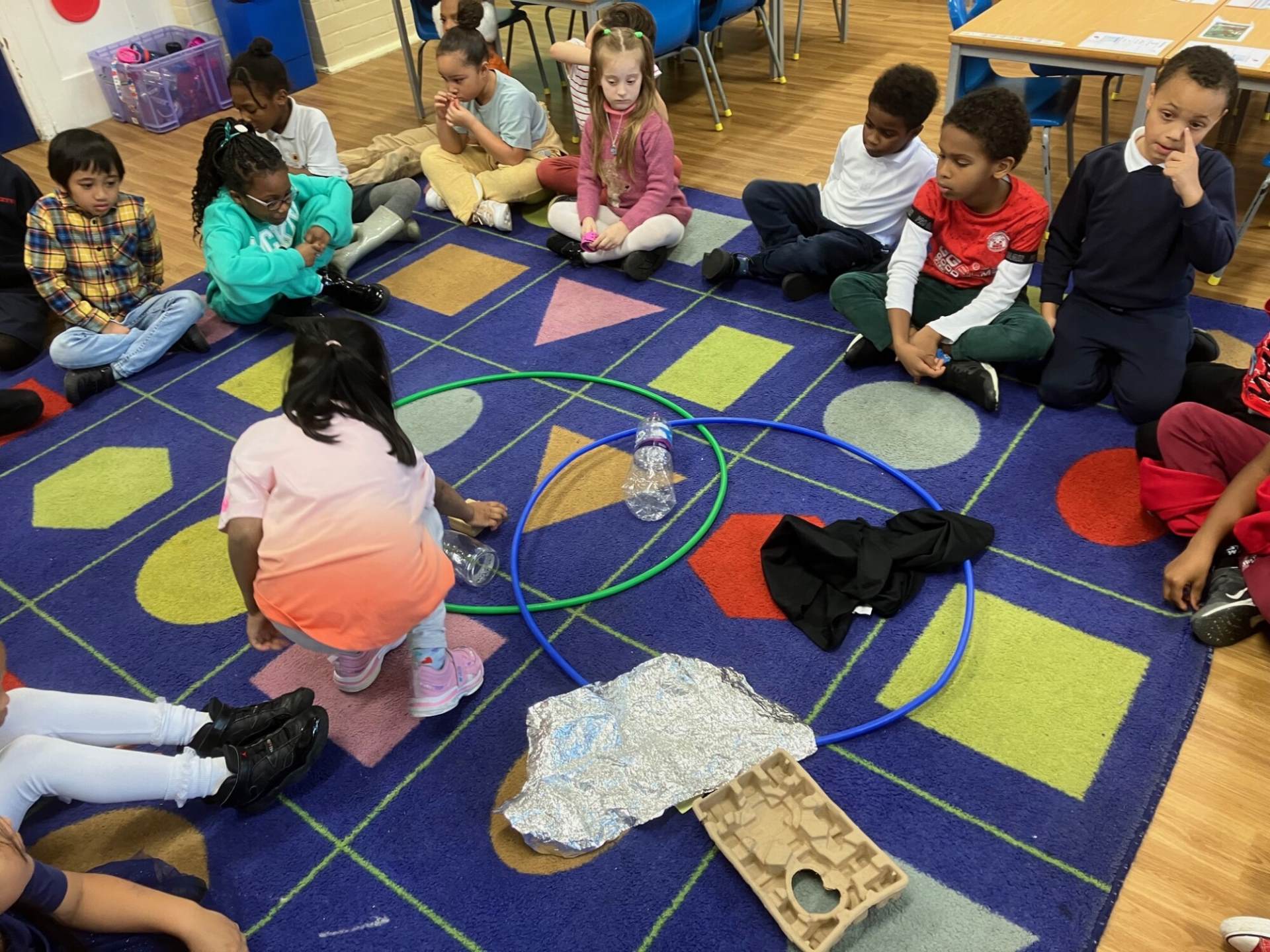
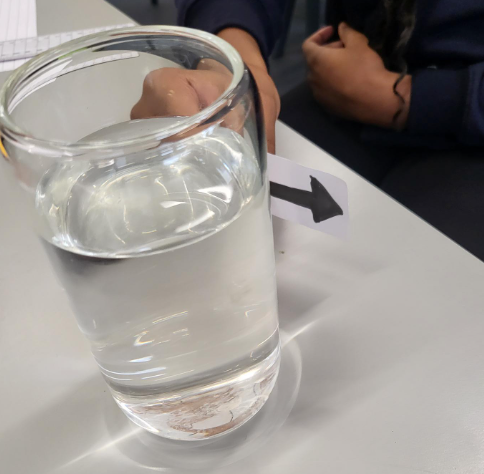
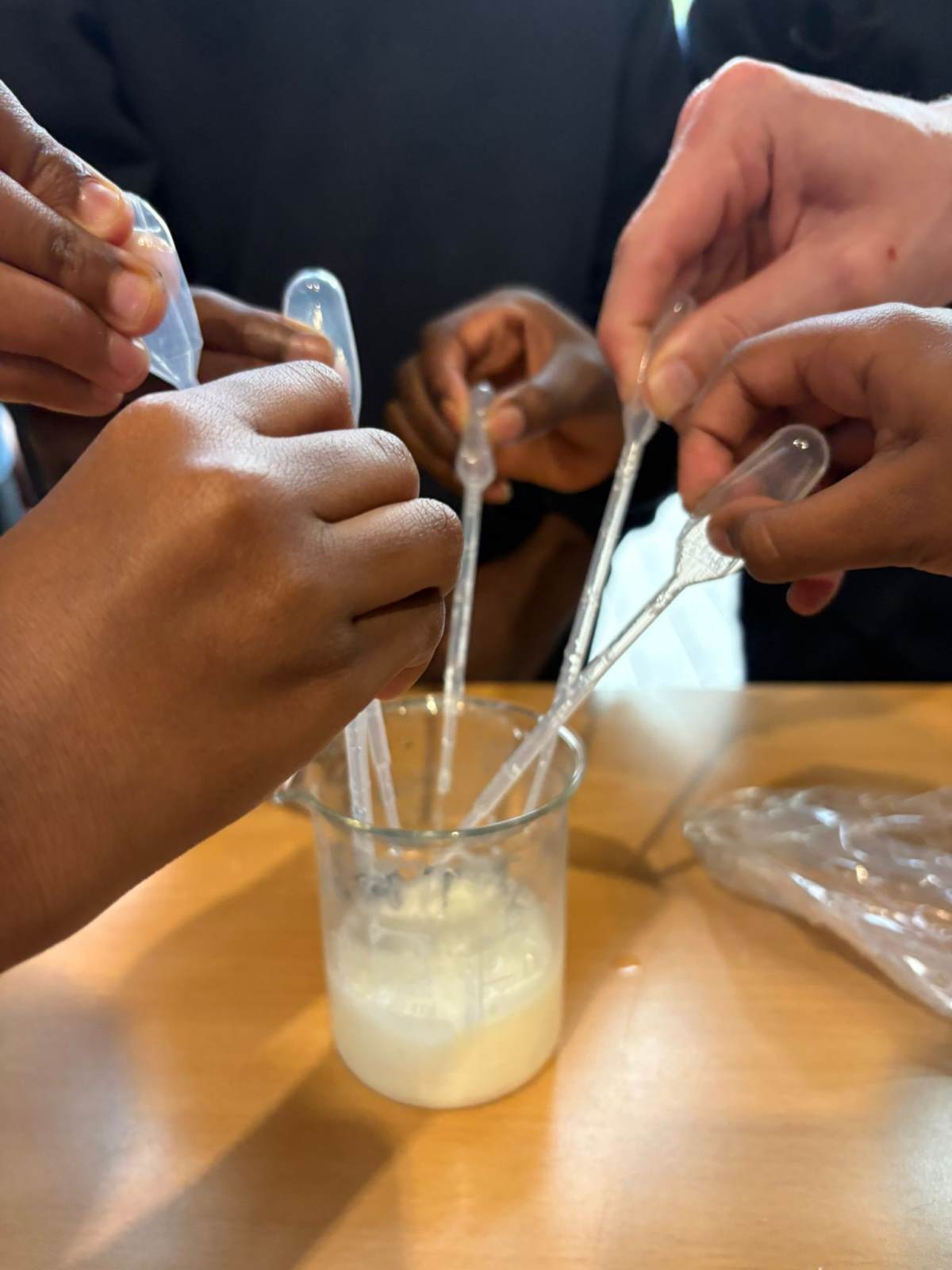
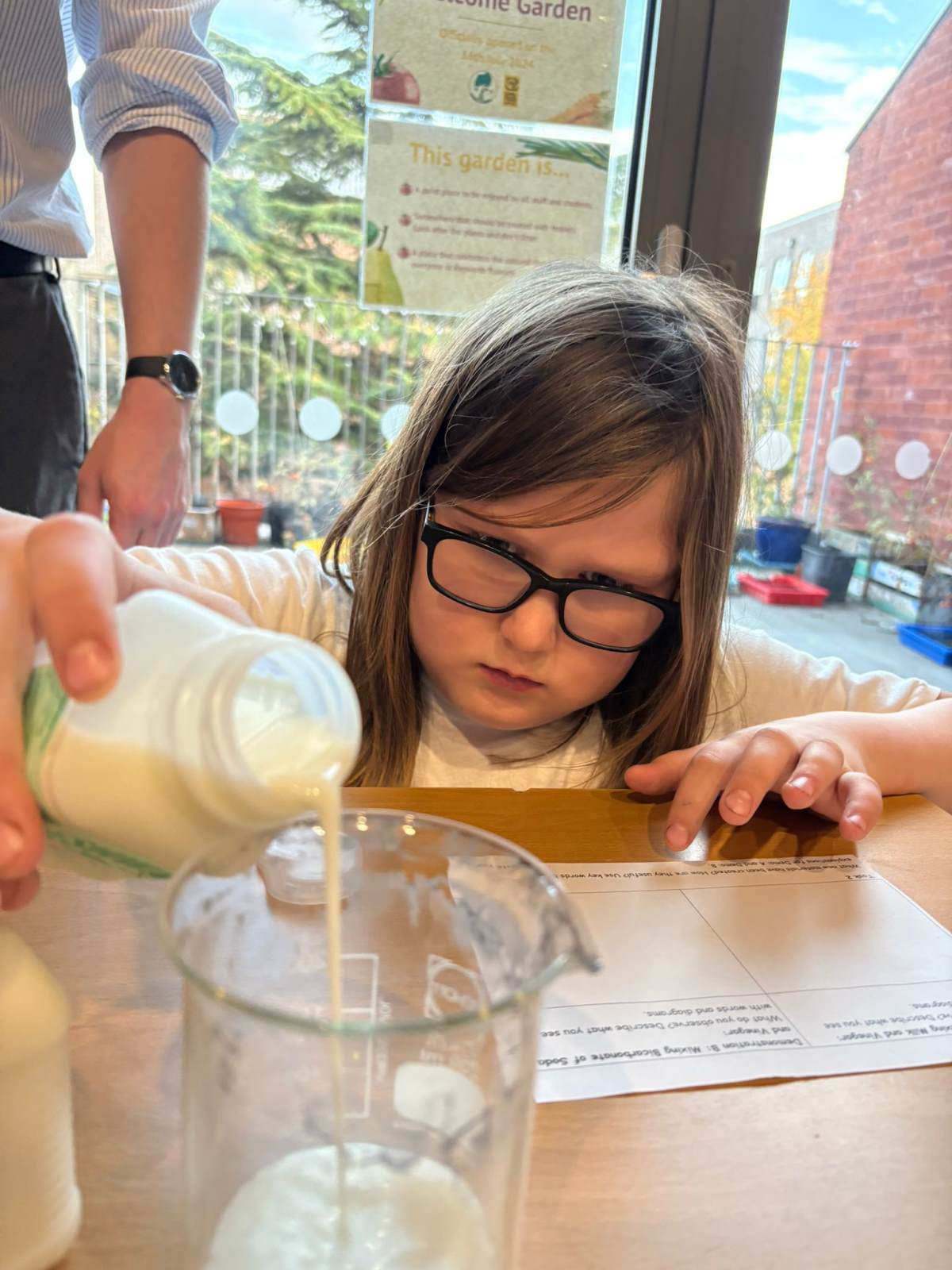
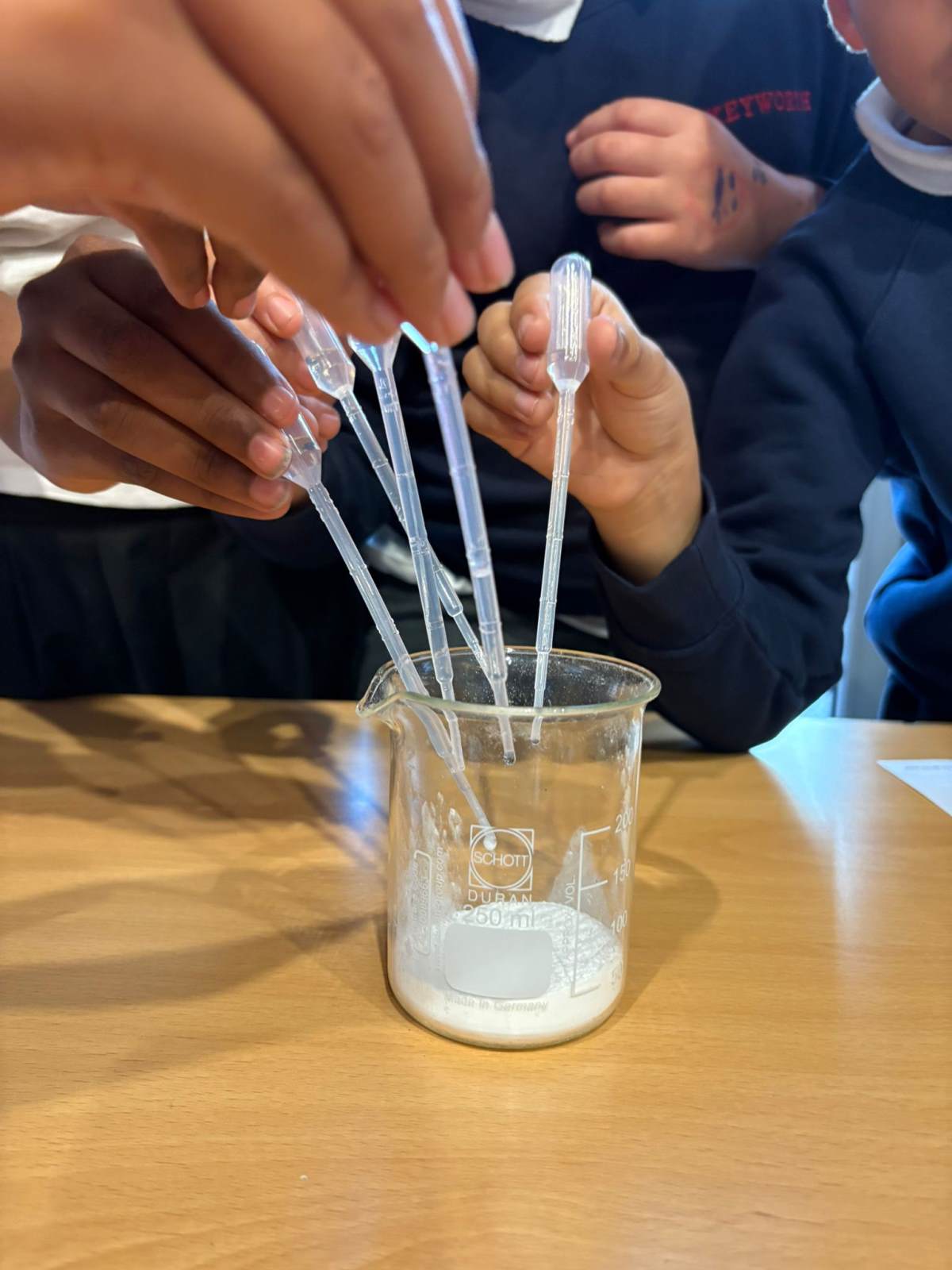
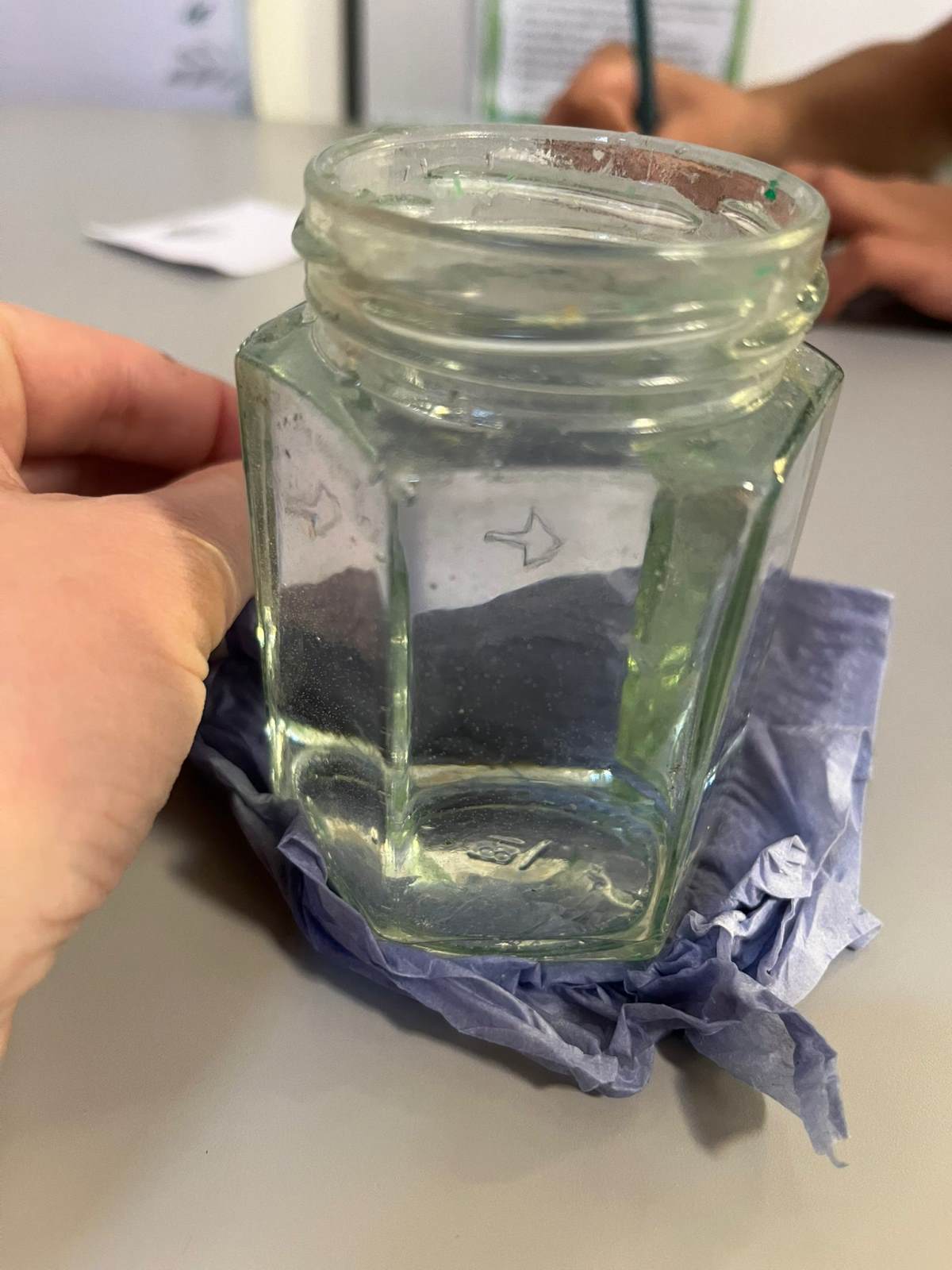
Pupils explore materials such as wood, metal, water and plastic. They investigate how materials change and what happens when they are heated, cooled, mixed or dissolved.
3. Physics
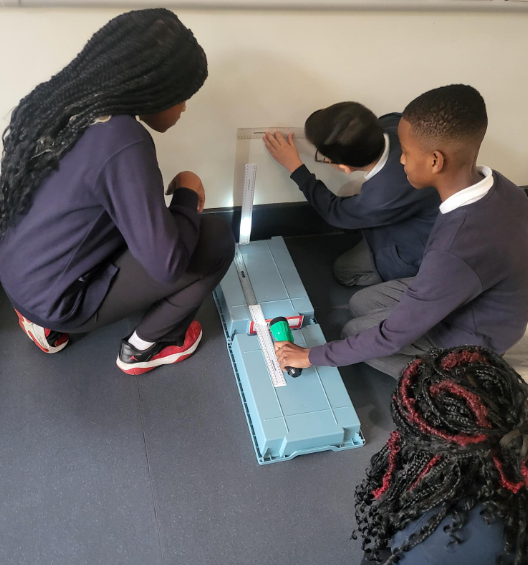
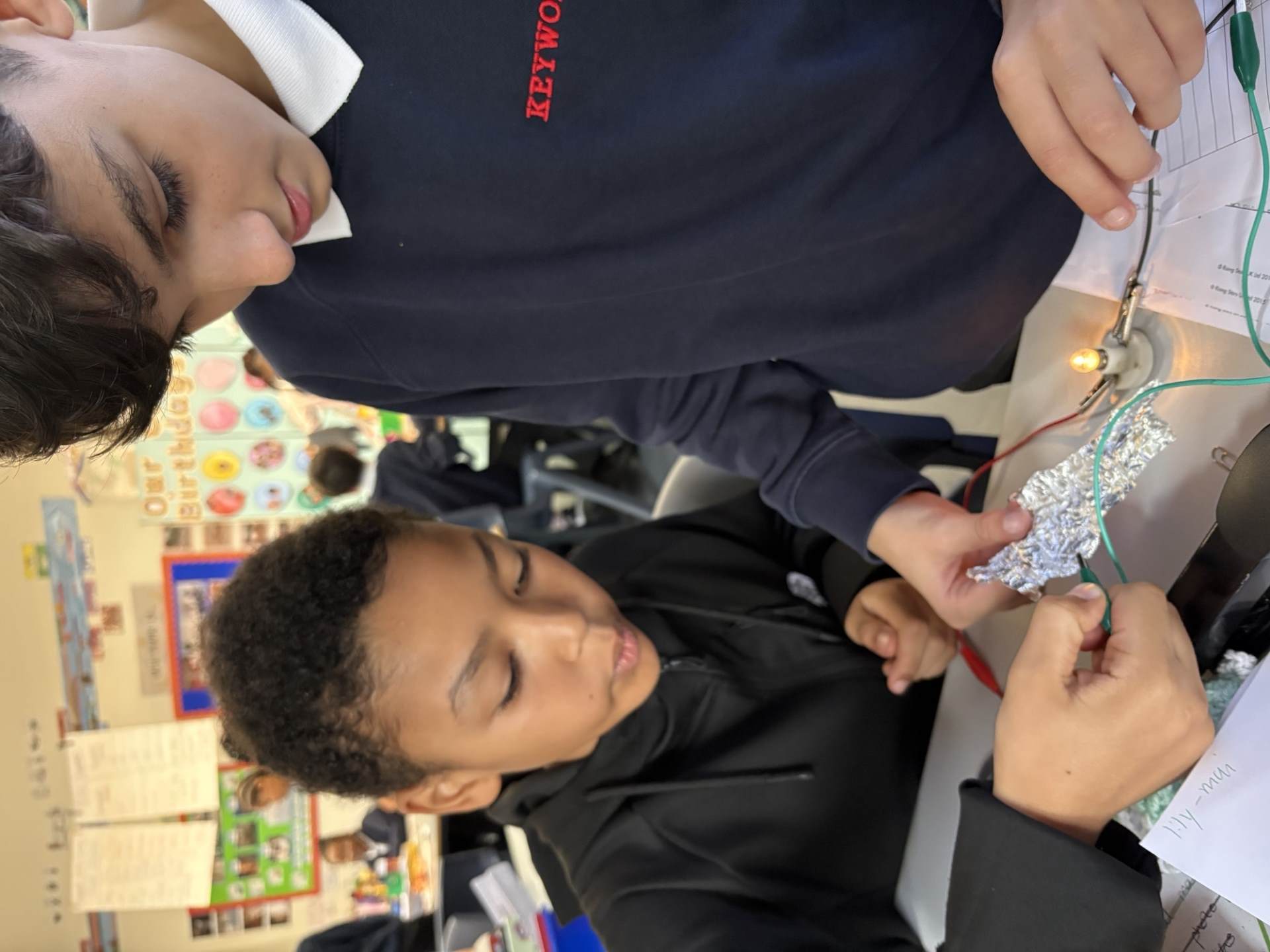
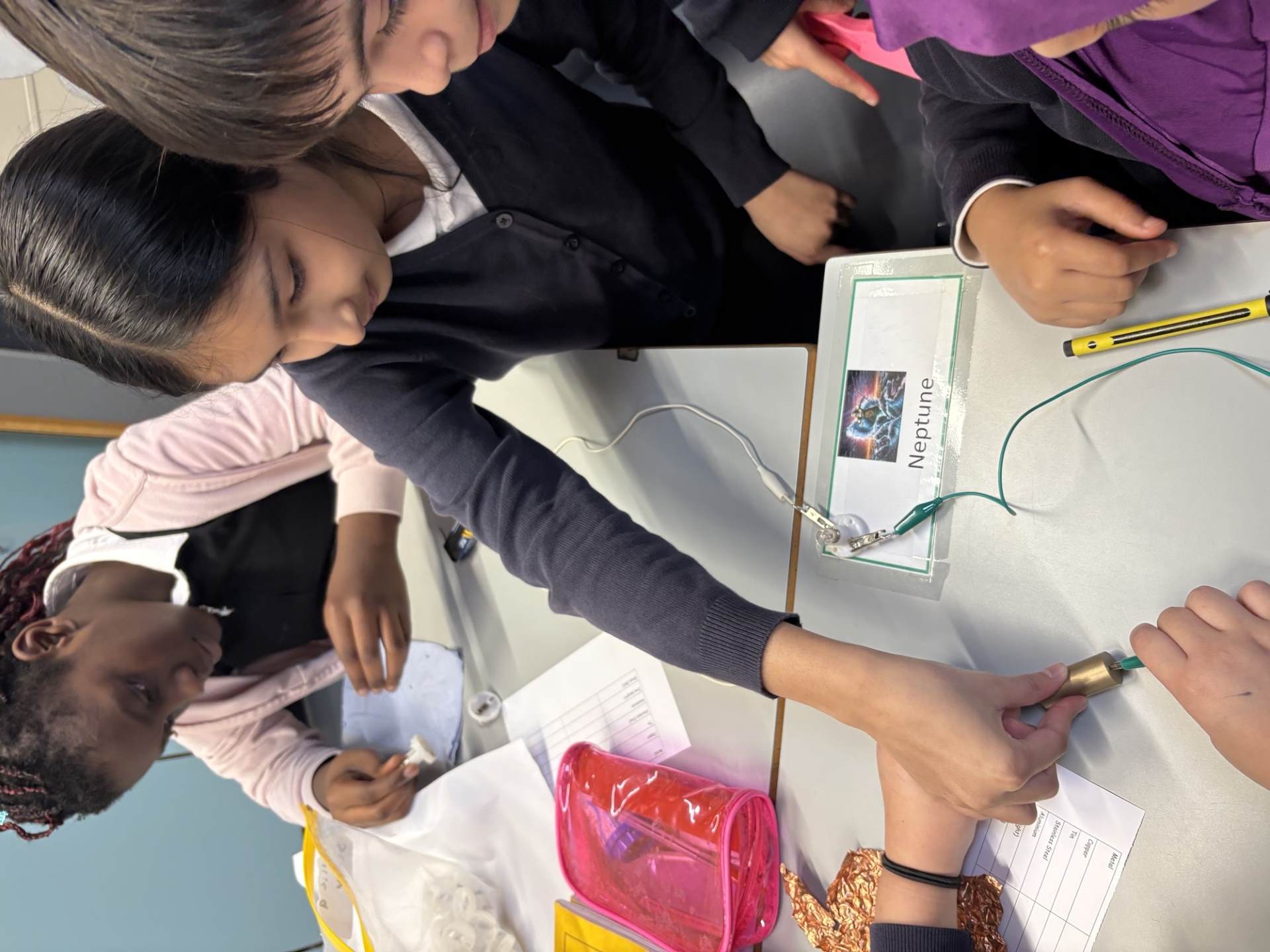
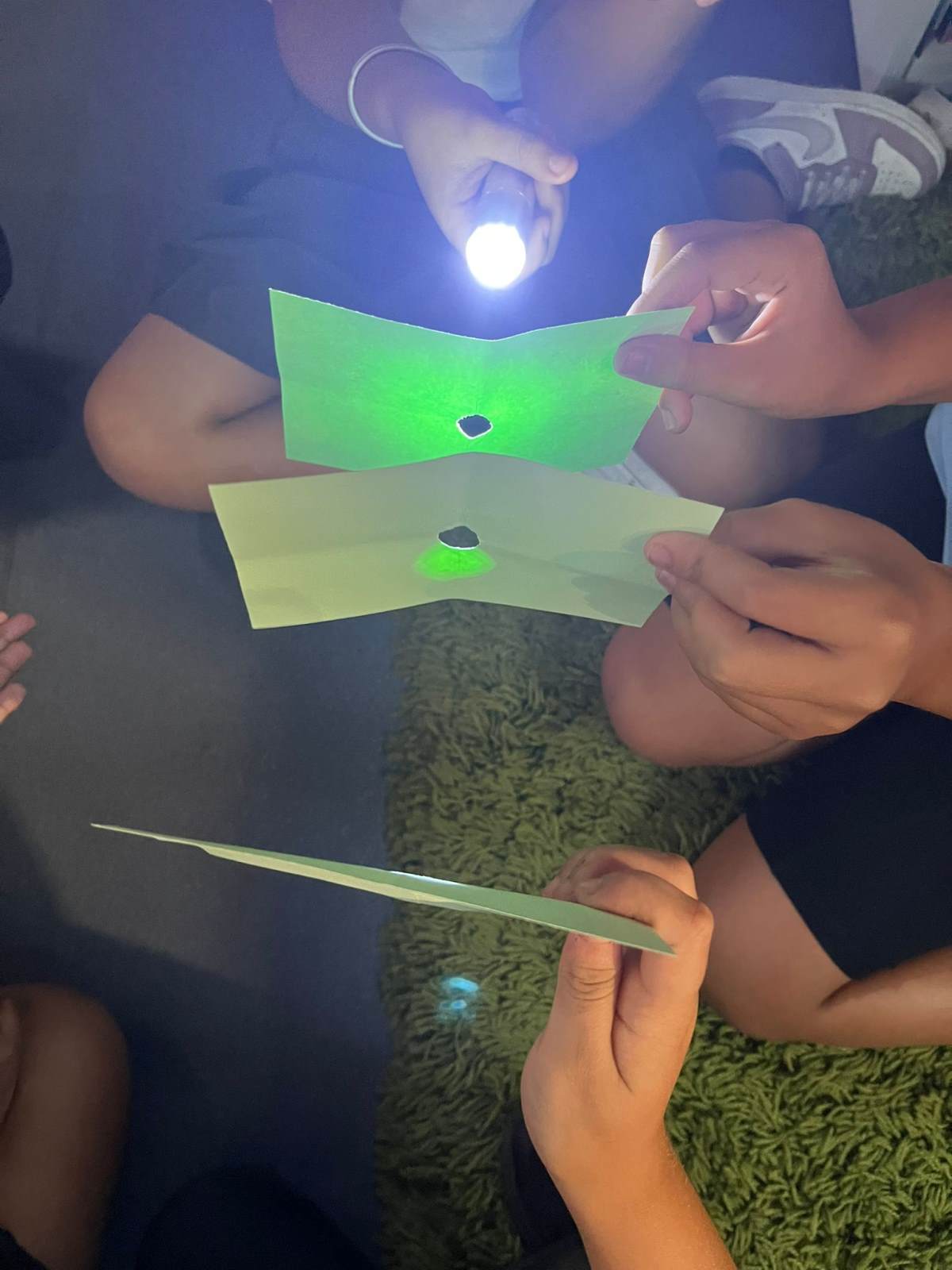
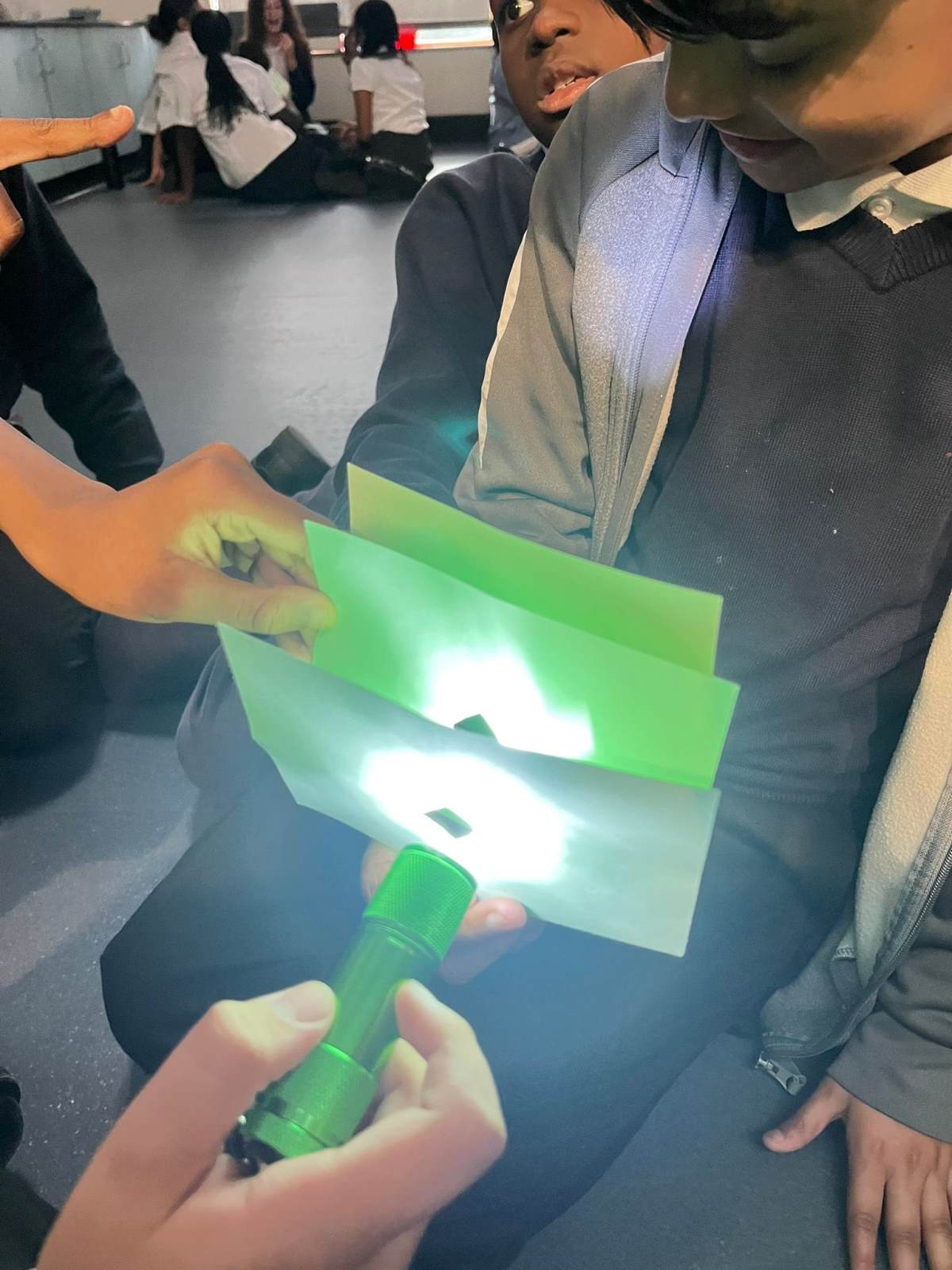
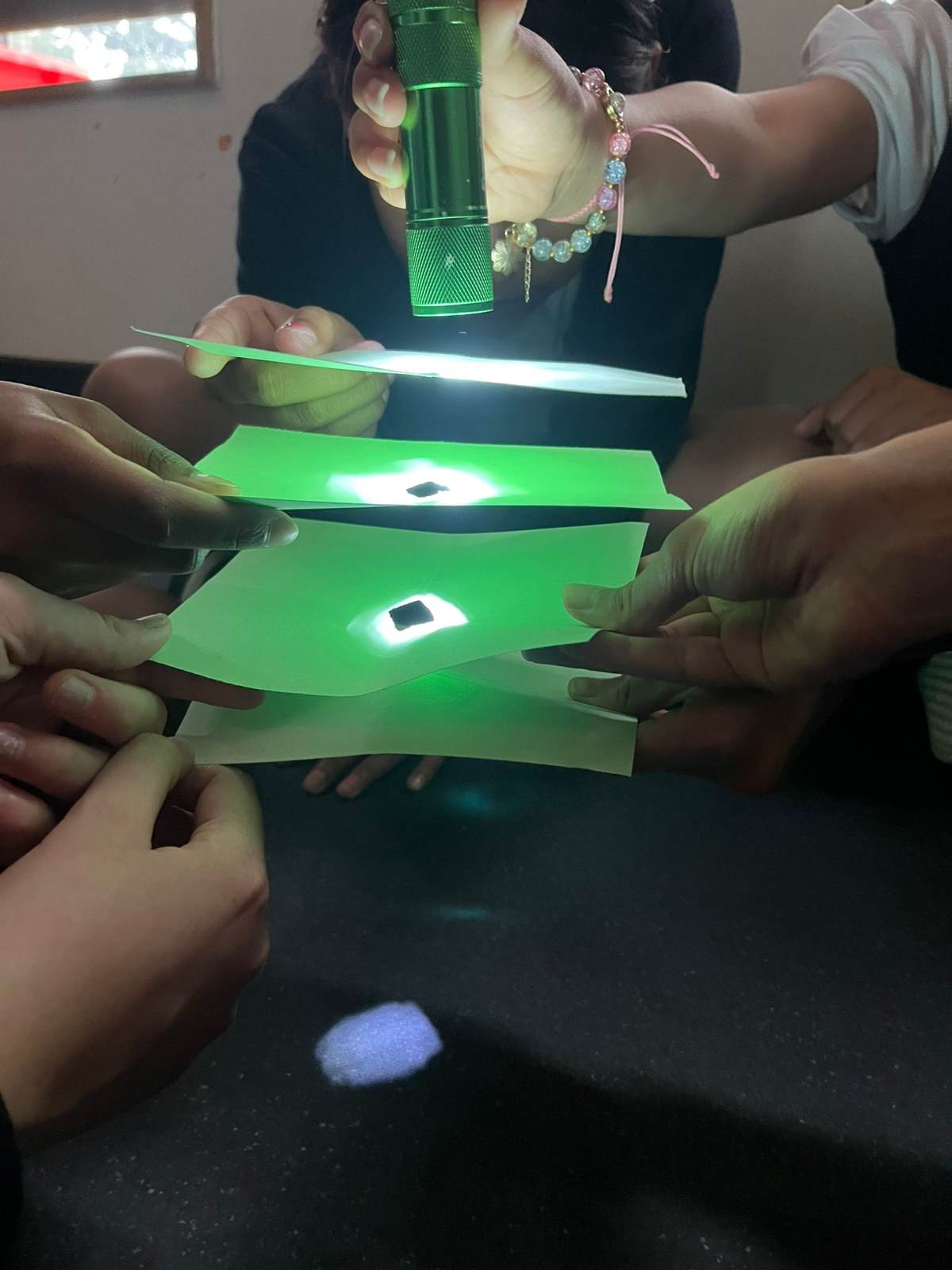
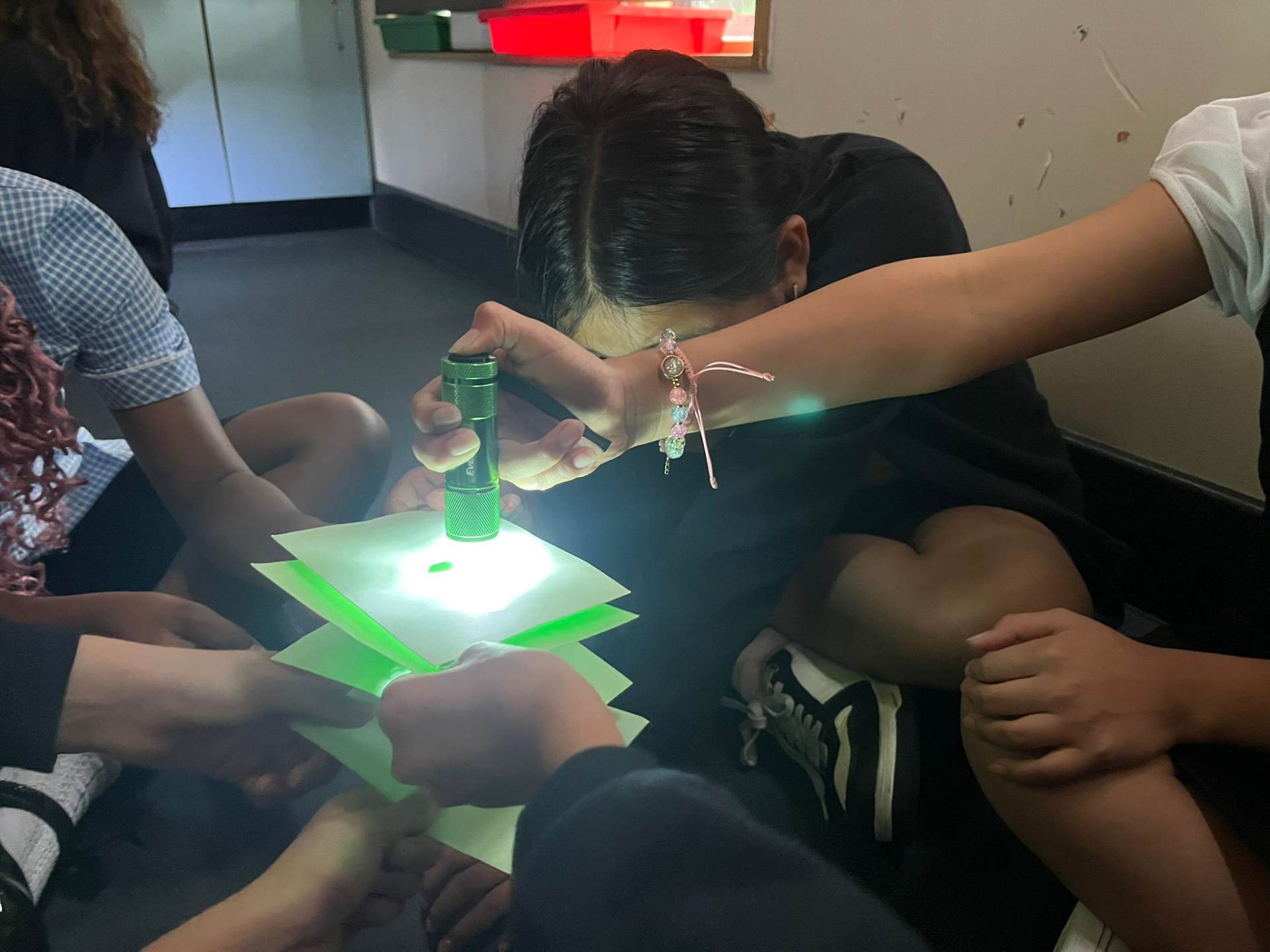
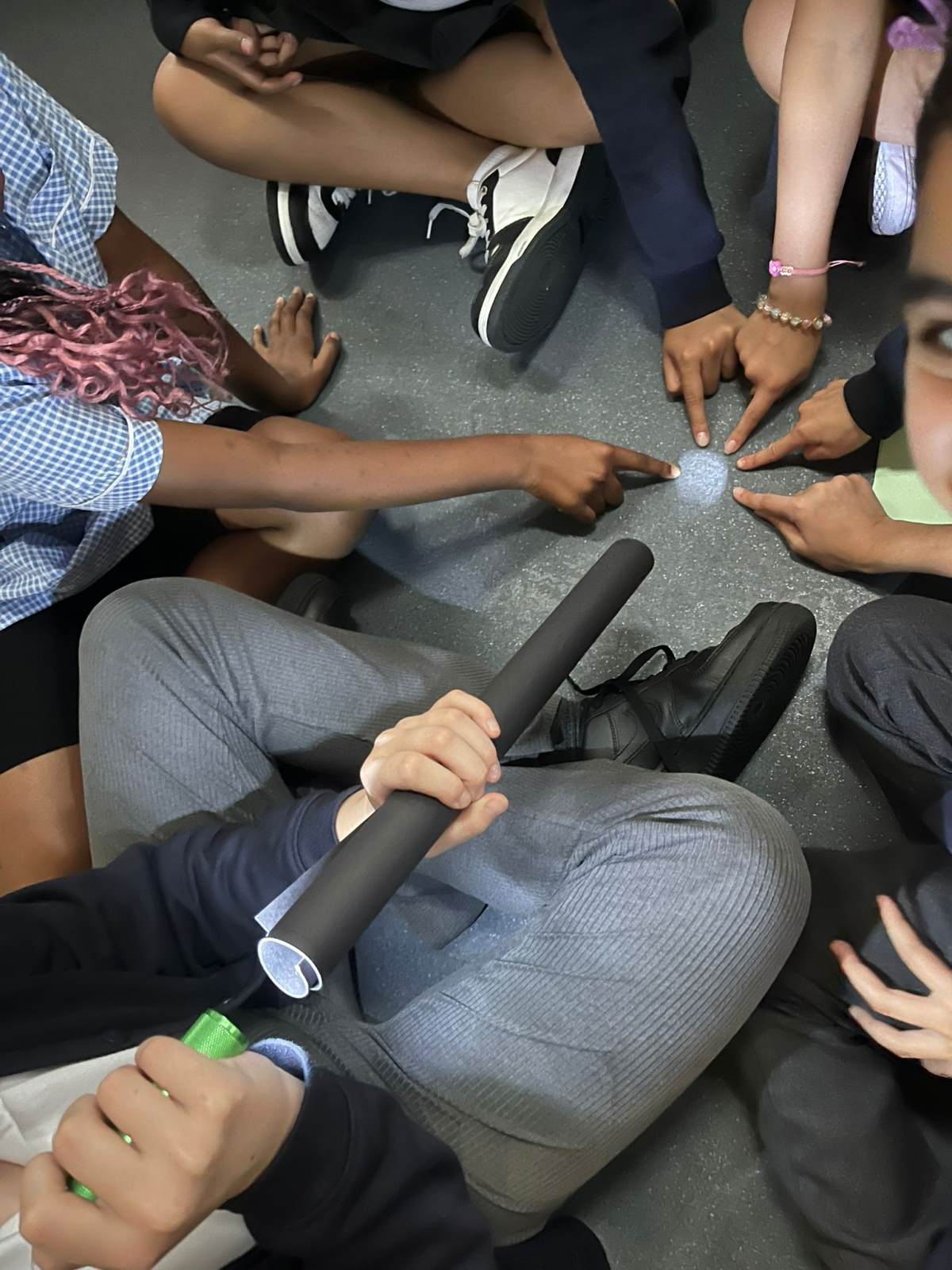
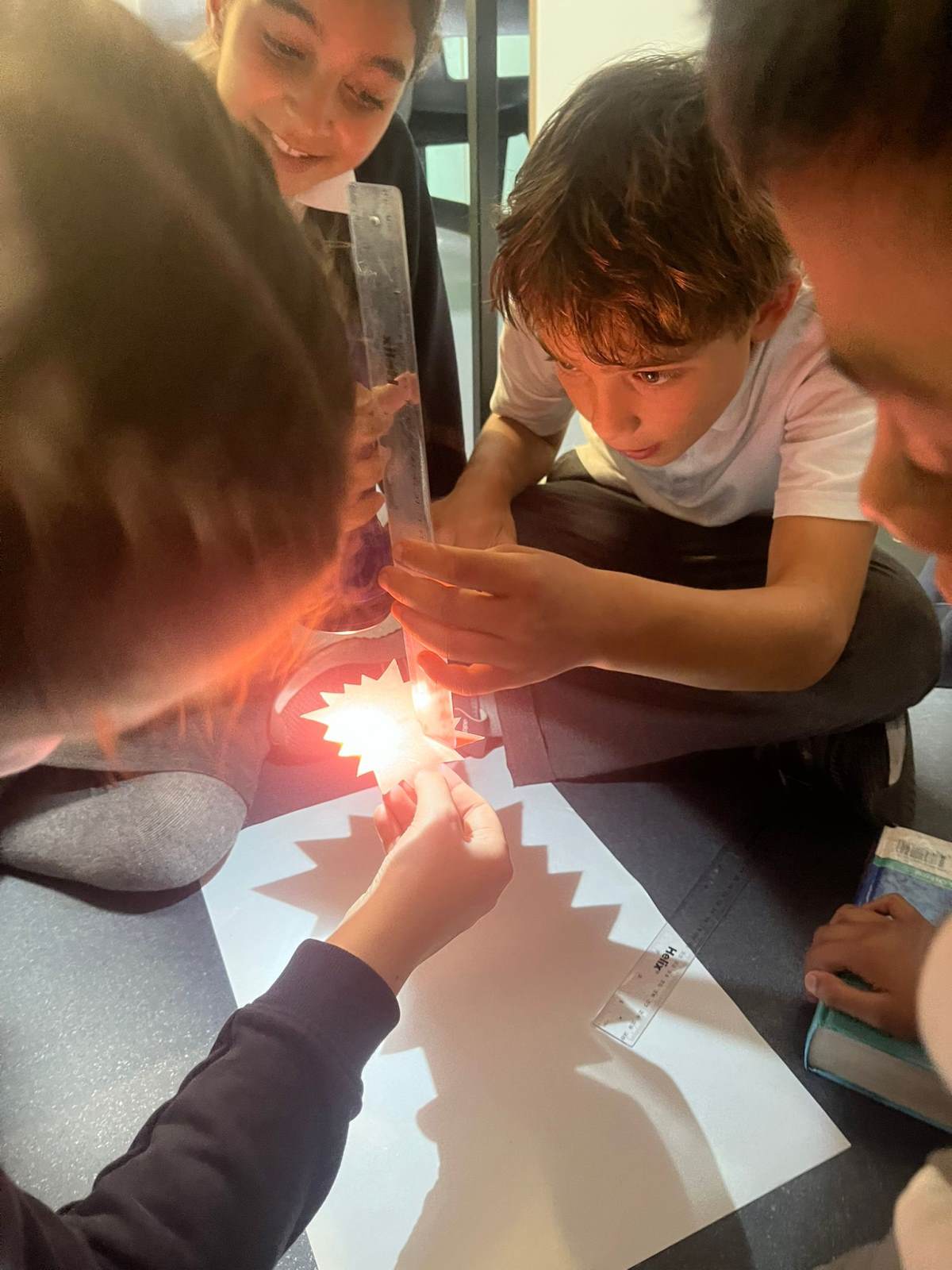
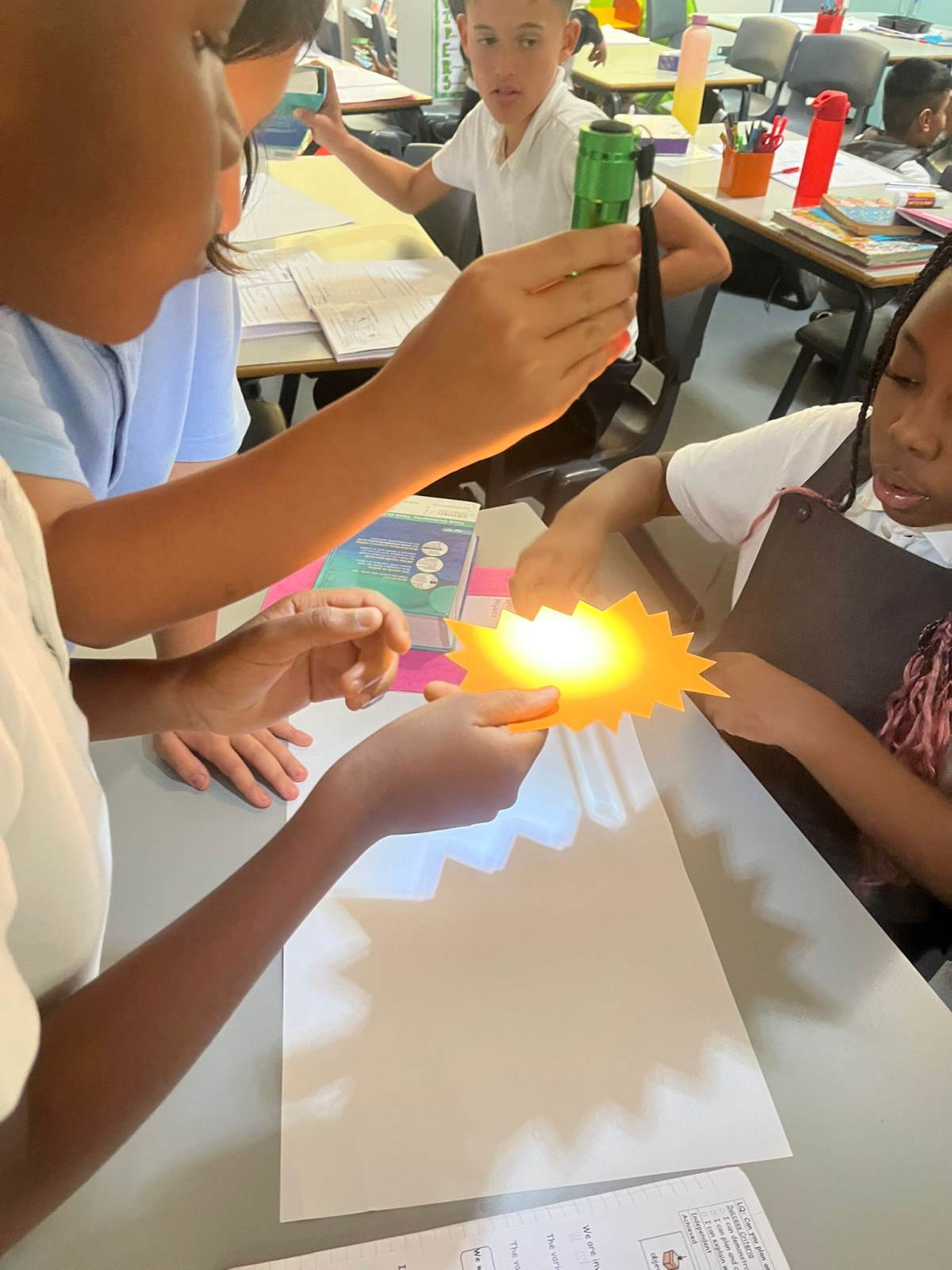
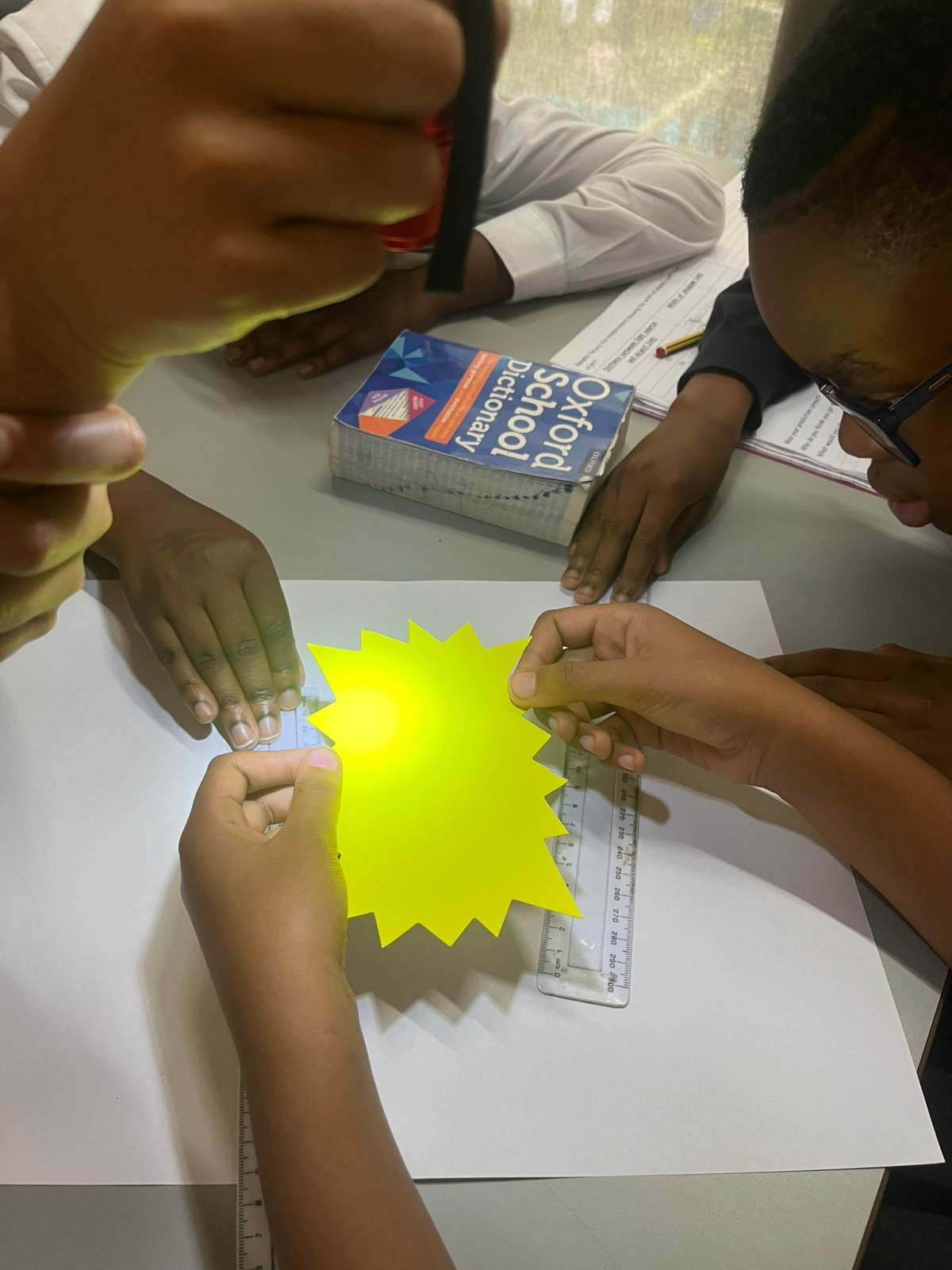
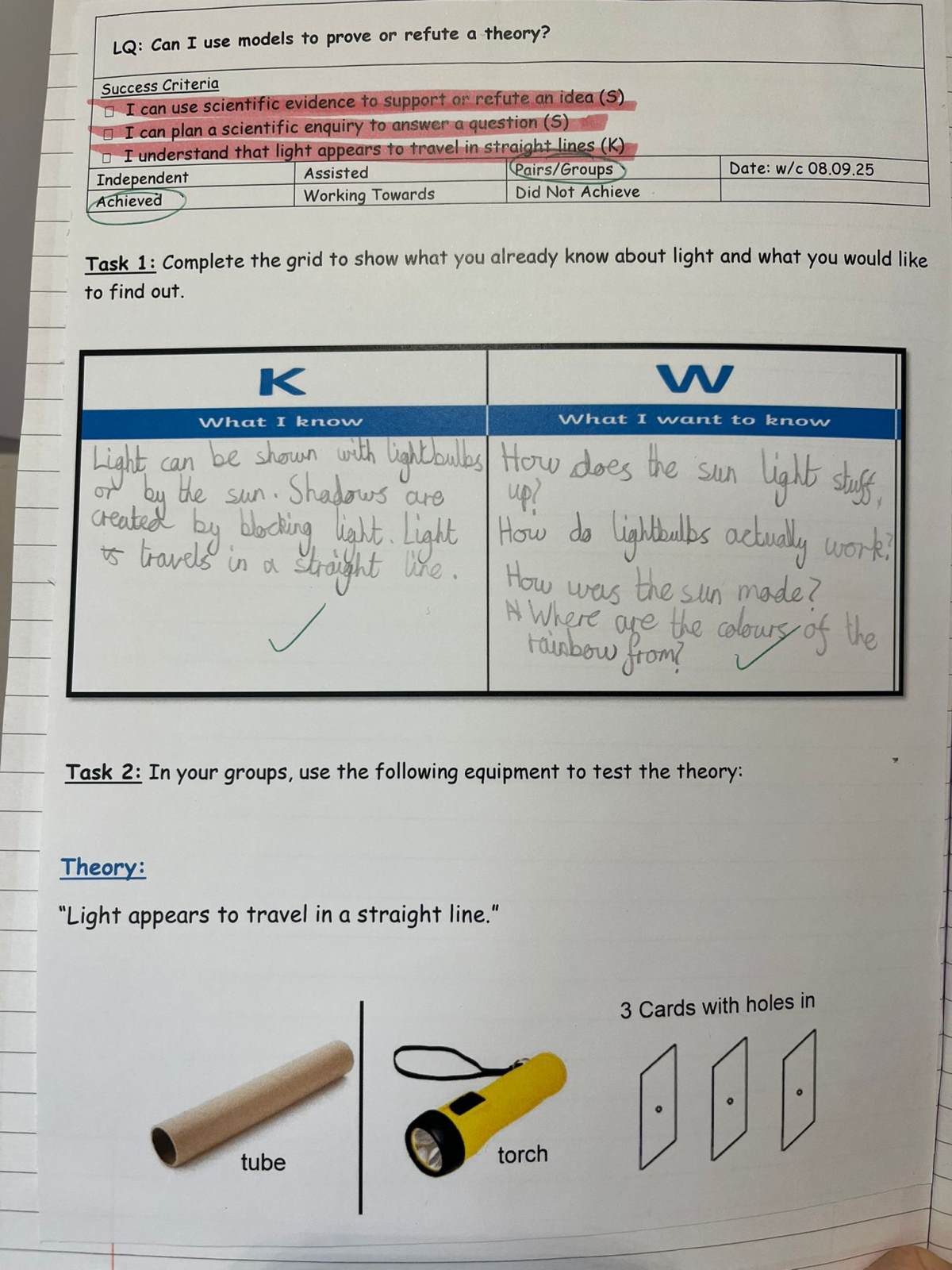
Children explore topics like shadows, magnets, electricity and gravity. They ask and investigate big questions such as: “Why do we have day and night?” and “How do objects move?”
How Do We Teach Science?
Children learn to think and work like scientists by using the 5 types of scientific enquiry:
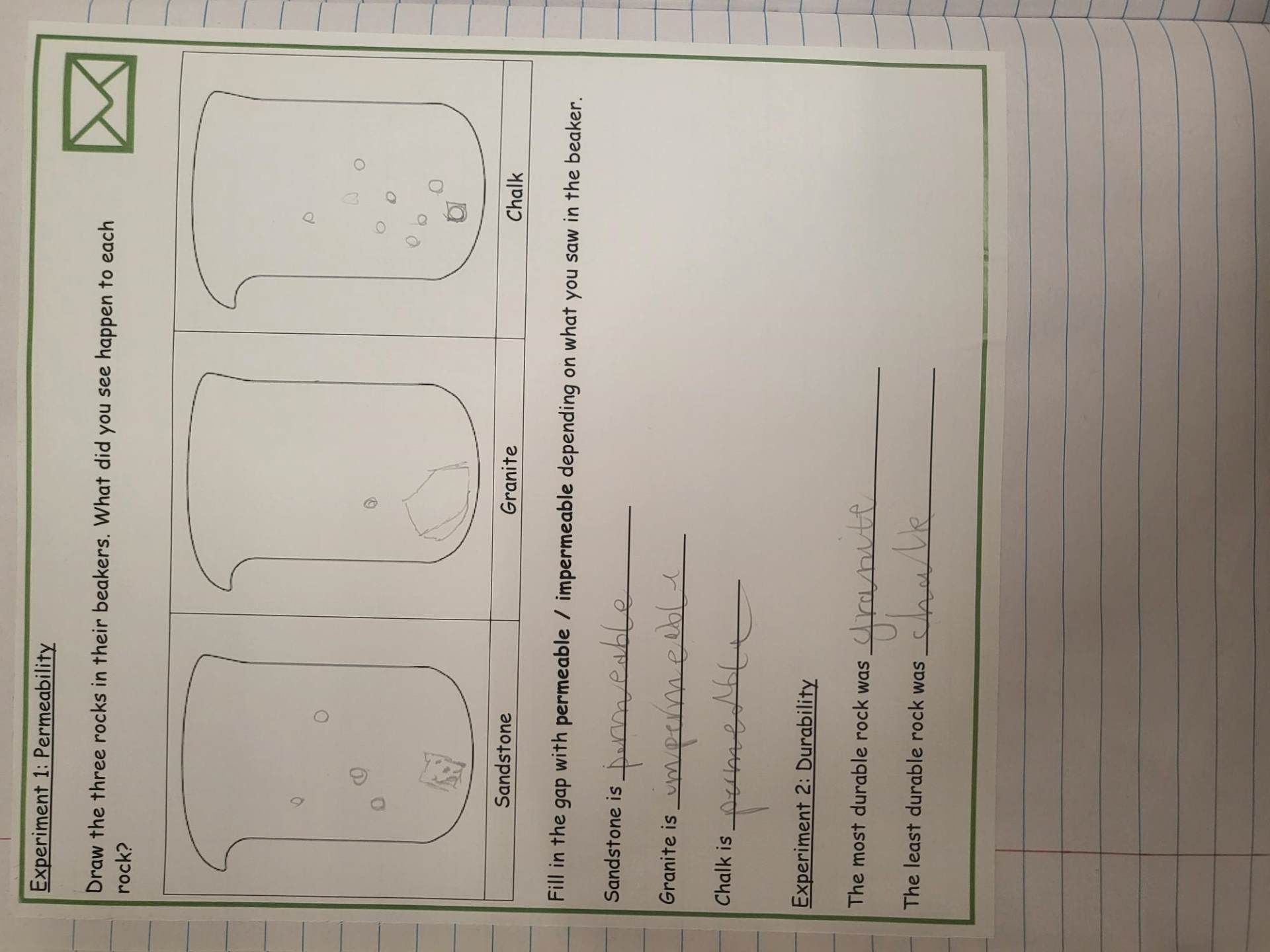
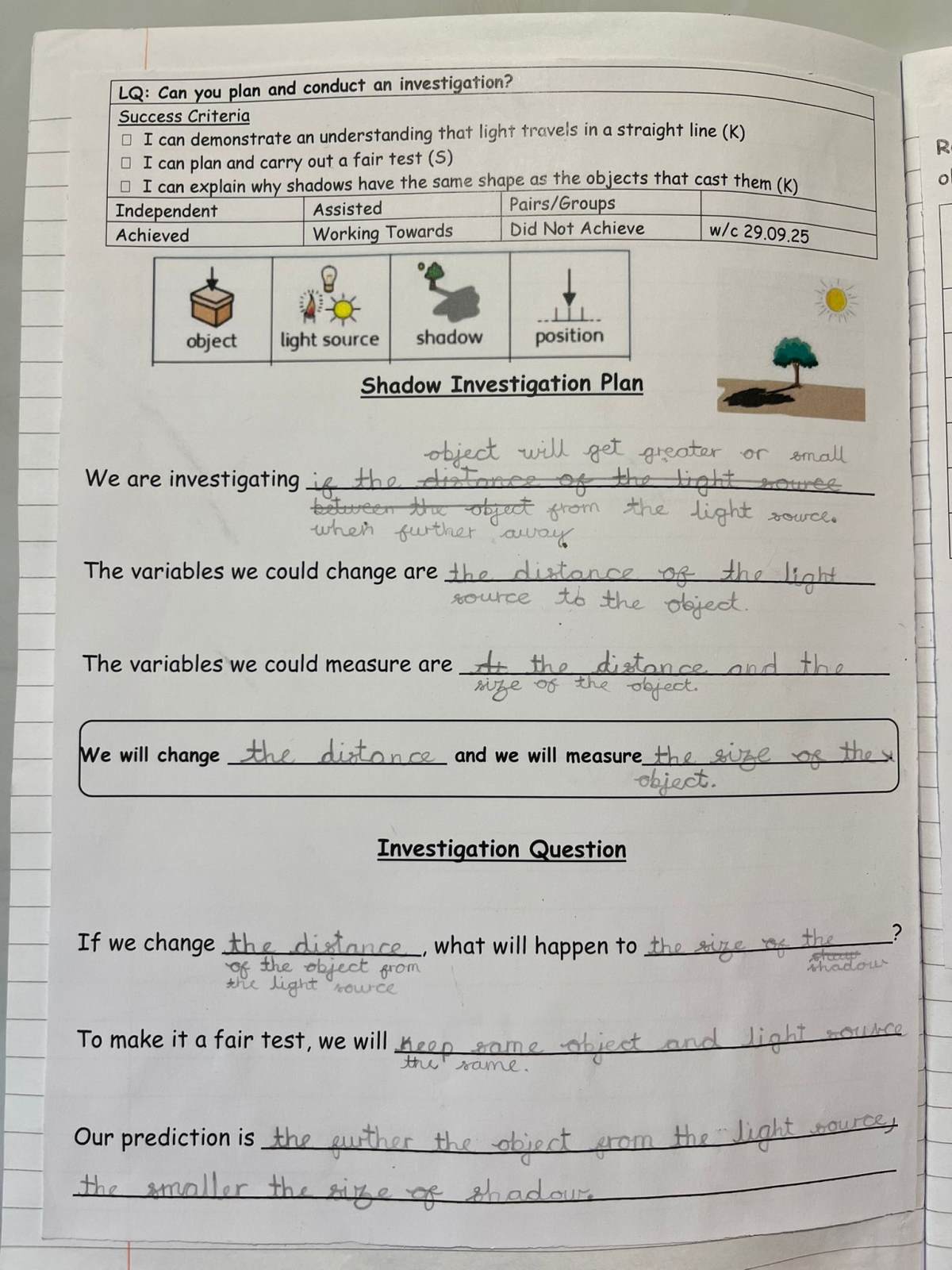
1. Comparative and Fair Testing – comparing things to see what happens under different conditions while keeping tests fair and controlled.
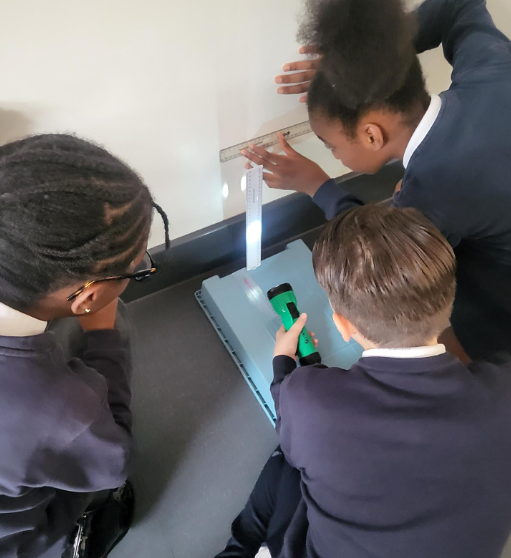
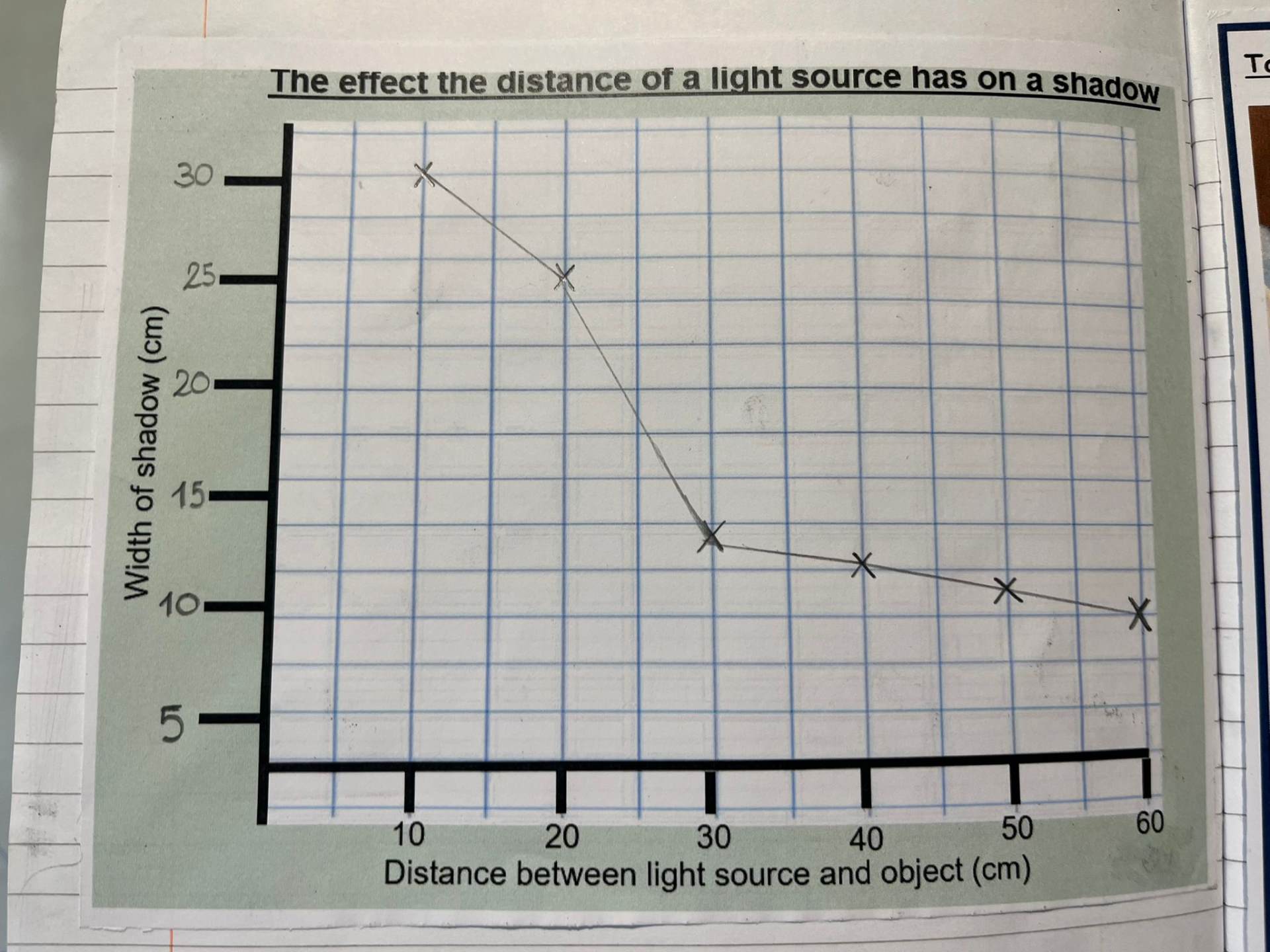
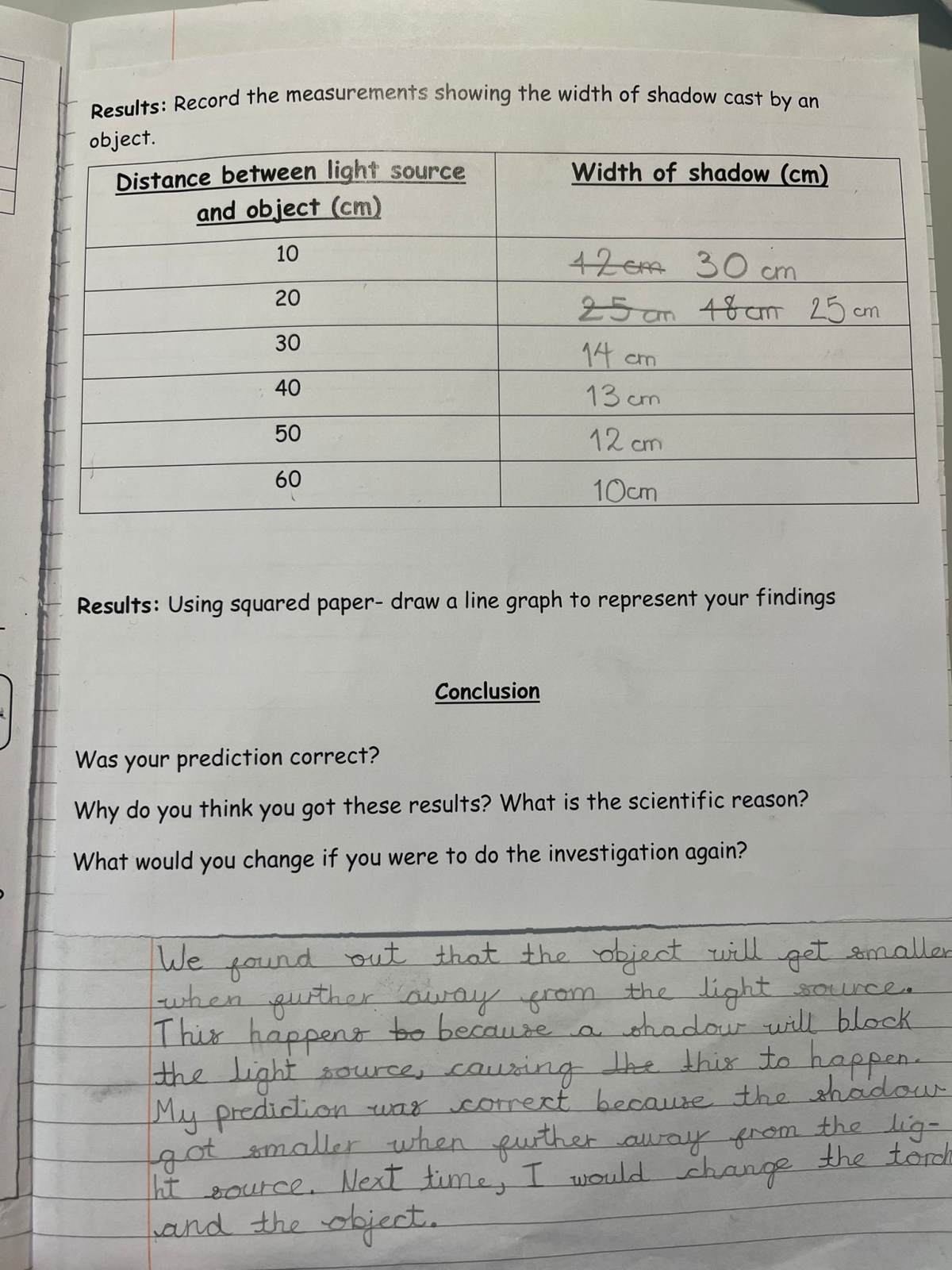
2. Pattern Seeking – collecting data to spot patterns or relationships, like how the size of a shadow changes throughout the day.
3. Observing Over Time – watching how things change over time, such as how plants grow or ice melts.
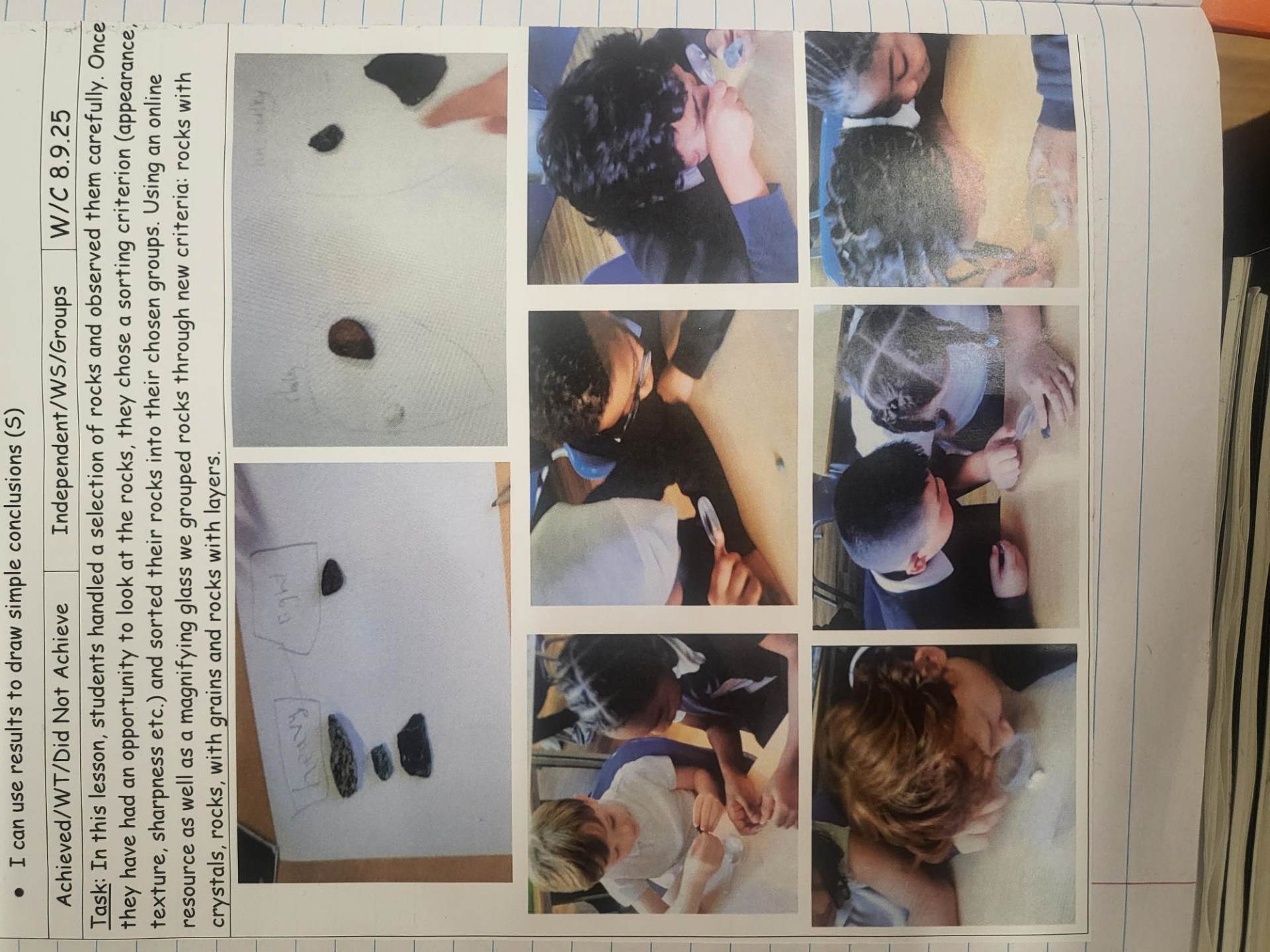
4. Identifying and Classifying – grouping and sorting objects or living things based on their characteristics.
5. Researching – using books, videos, or websites to find out scientific information that can’t be tested directly in class.
These enquiry types are introduced from Nursery and built upon throughout each year group.
In Key Stage 1, children ask simple questions, observe closely and begin to record what they see.
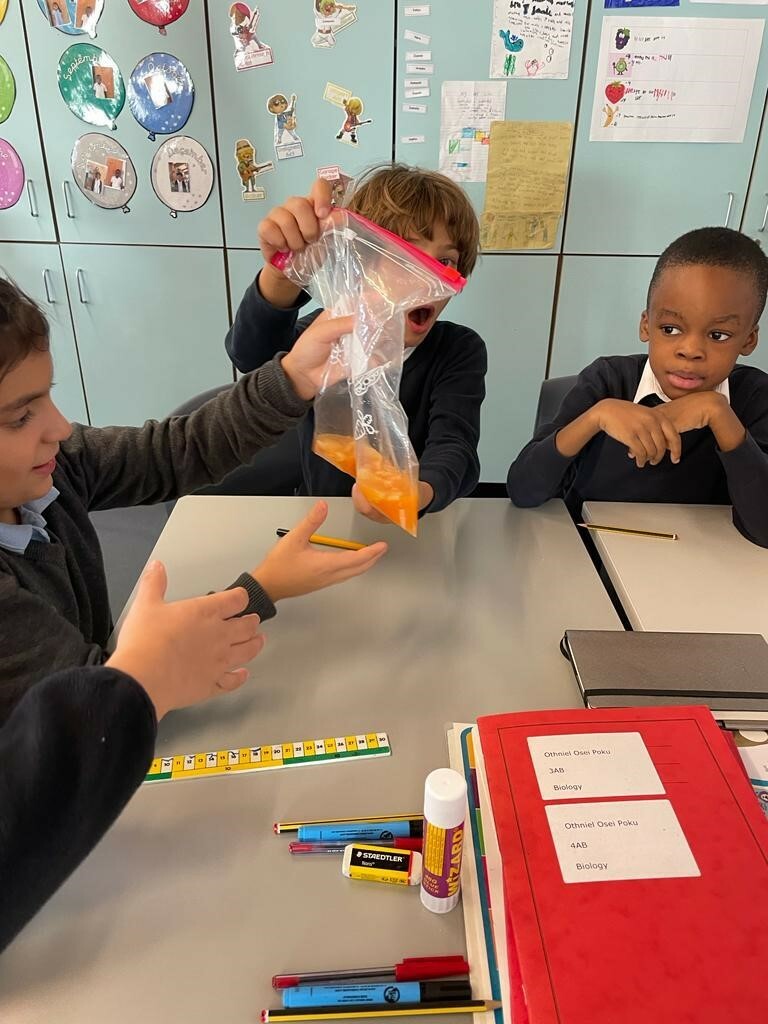
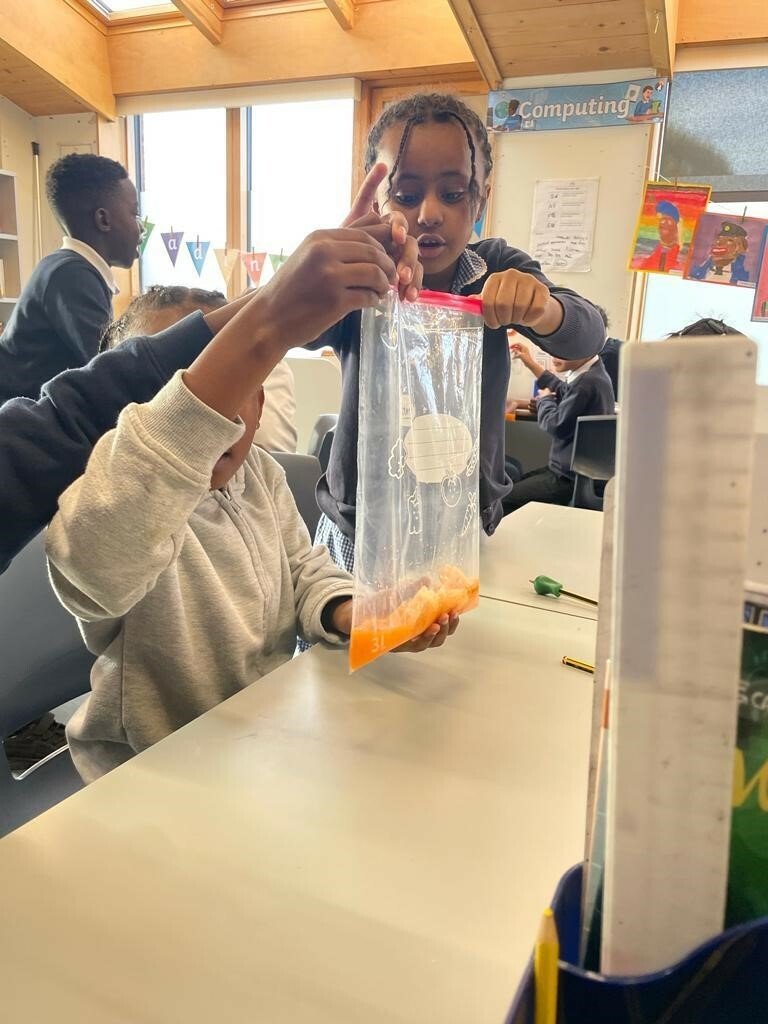
By Key Stage 2, pupils are planning and conducting their own investigations, using equipment to measure, presenting their findings in charts and graphs and drawing evidence-based conclusions.
Learning Across the Year Groups
Year 1
Throughout the year, your child will explore six key science topics linked to seasons, animals, plants and materials.
- Seasonal Changes:
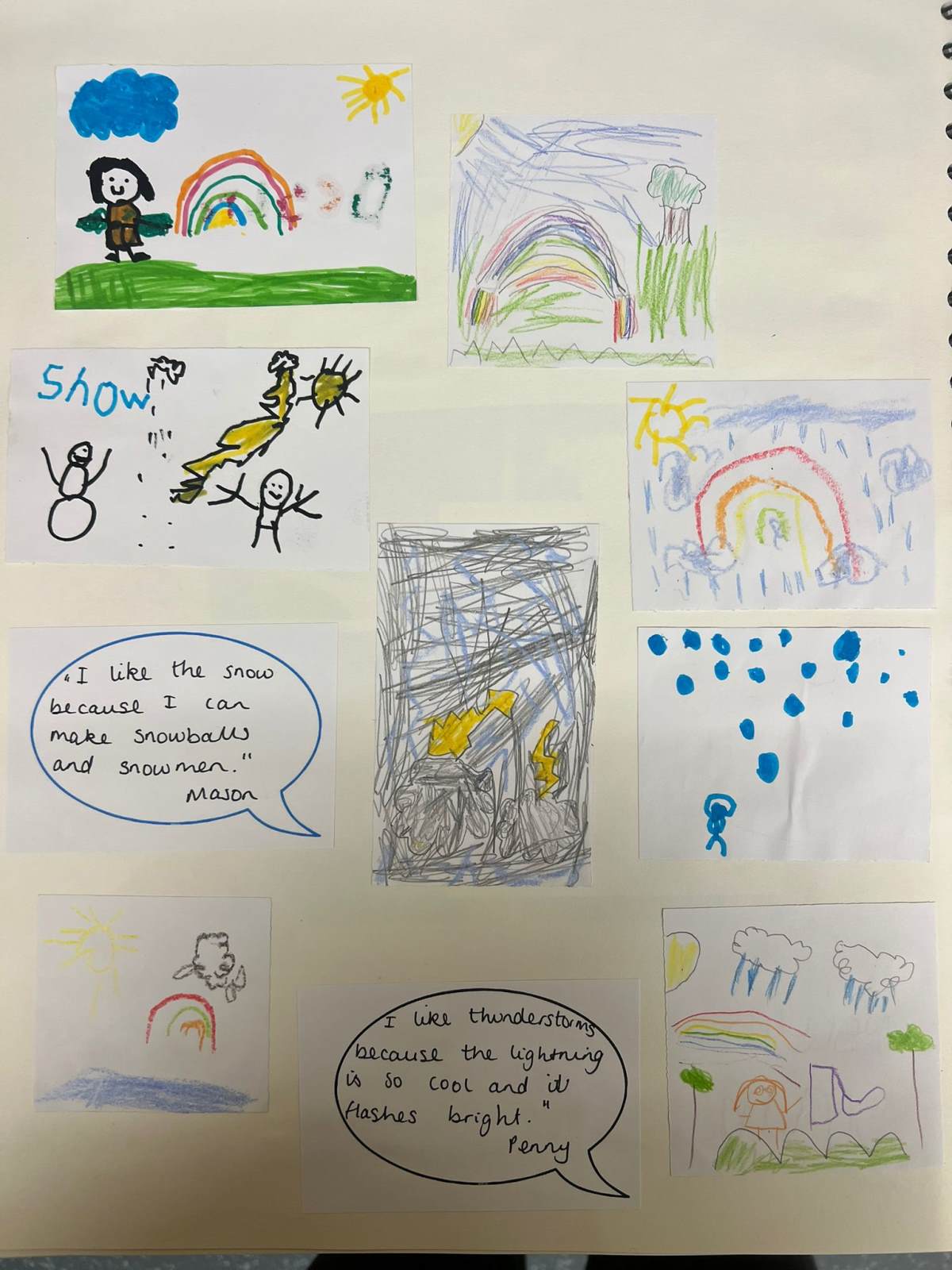
Observe how weather, daylight, and nature vary across the seasons by taking measurements and making regular observations. - Animals Including Humans:
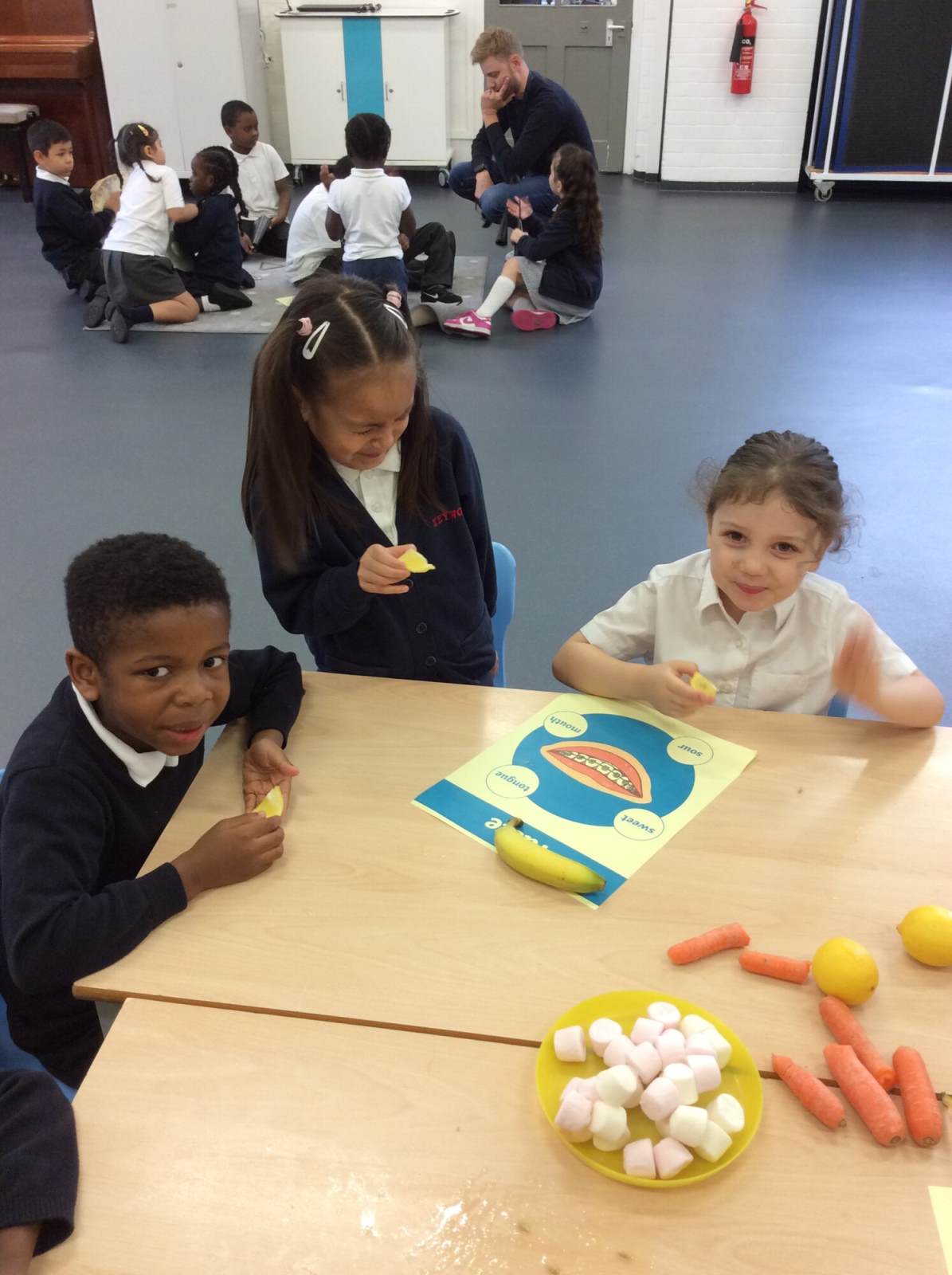
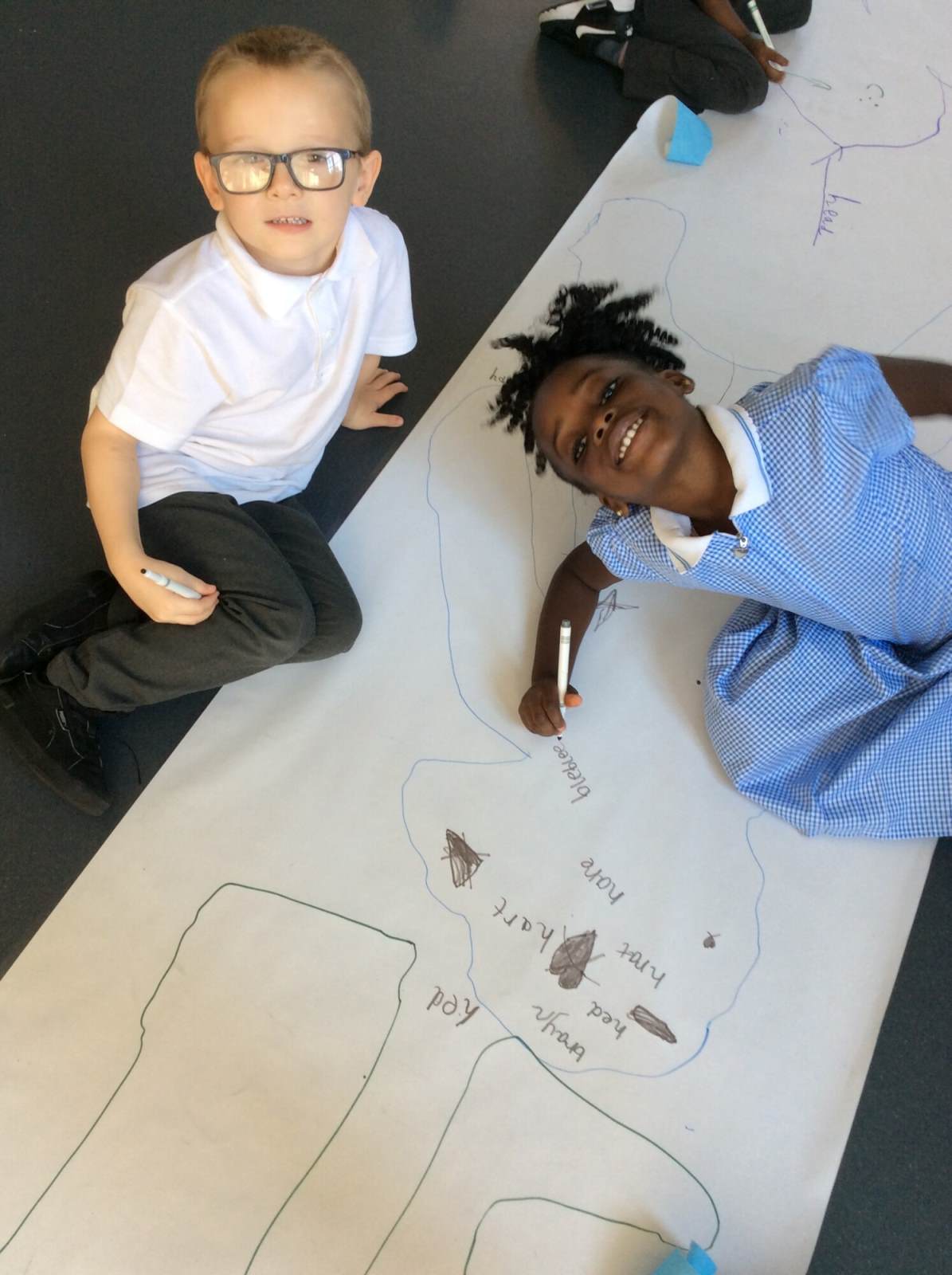
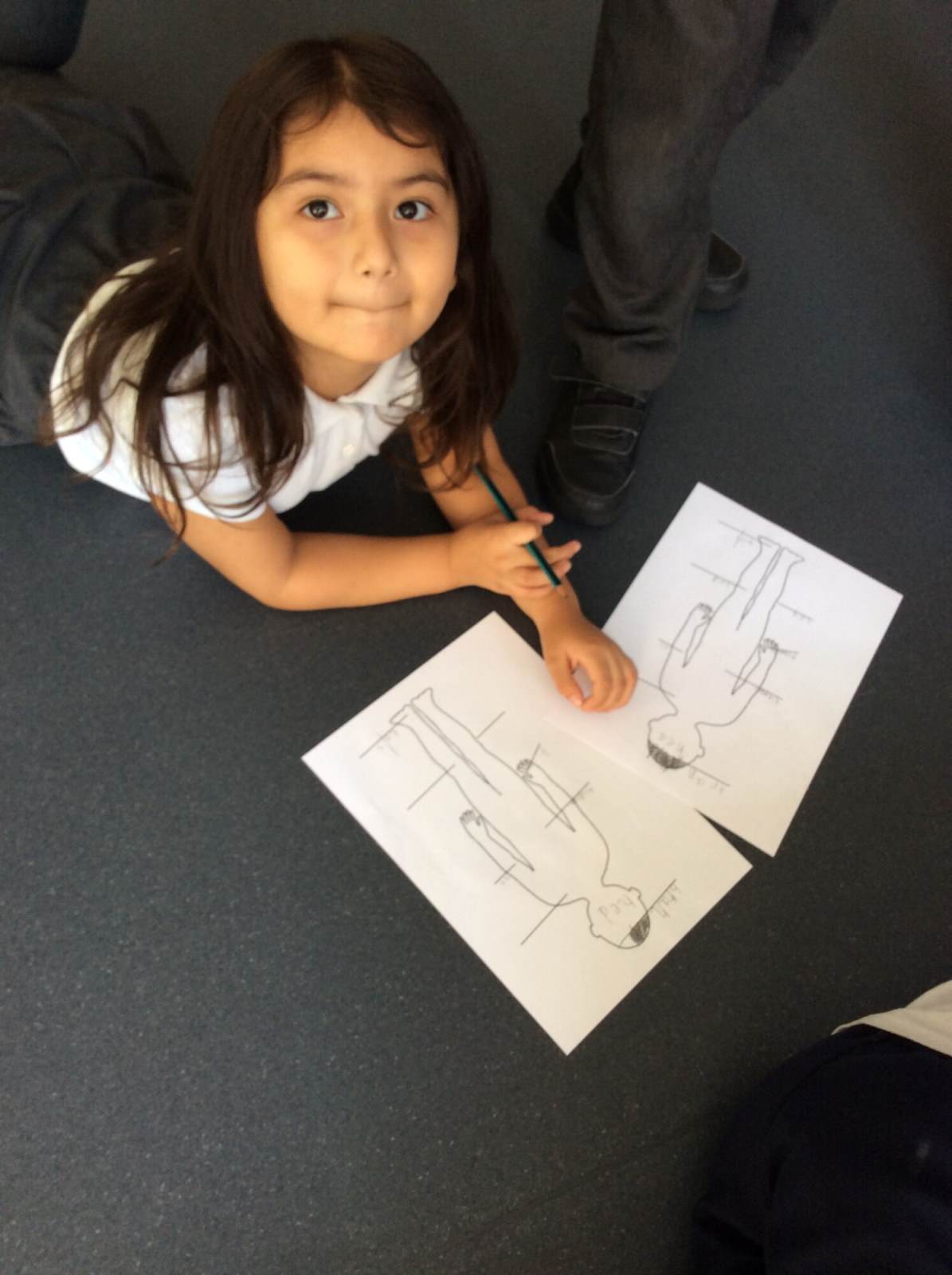
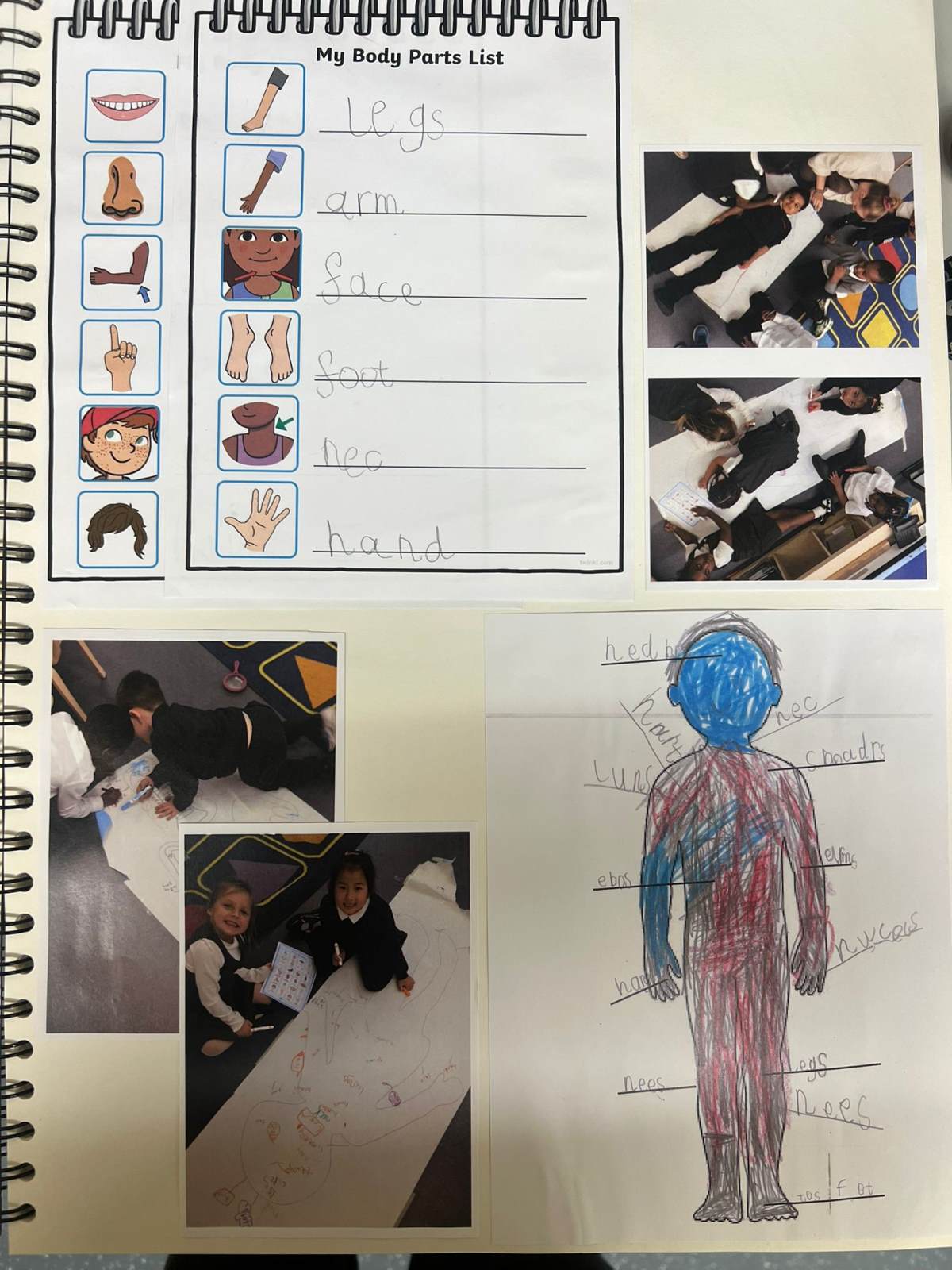
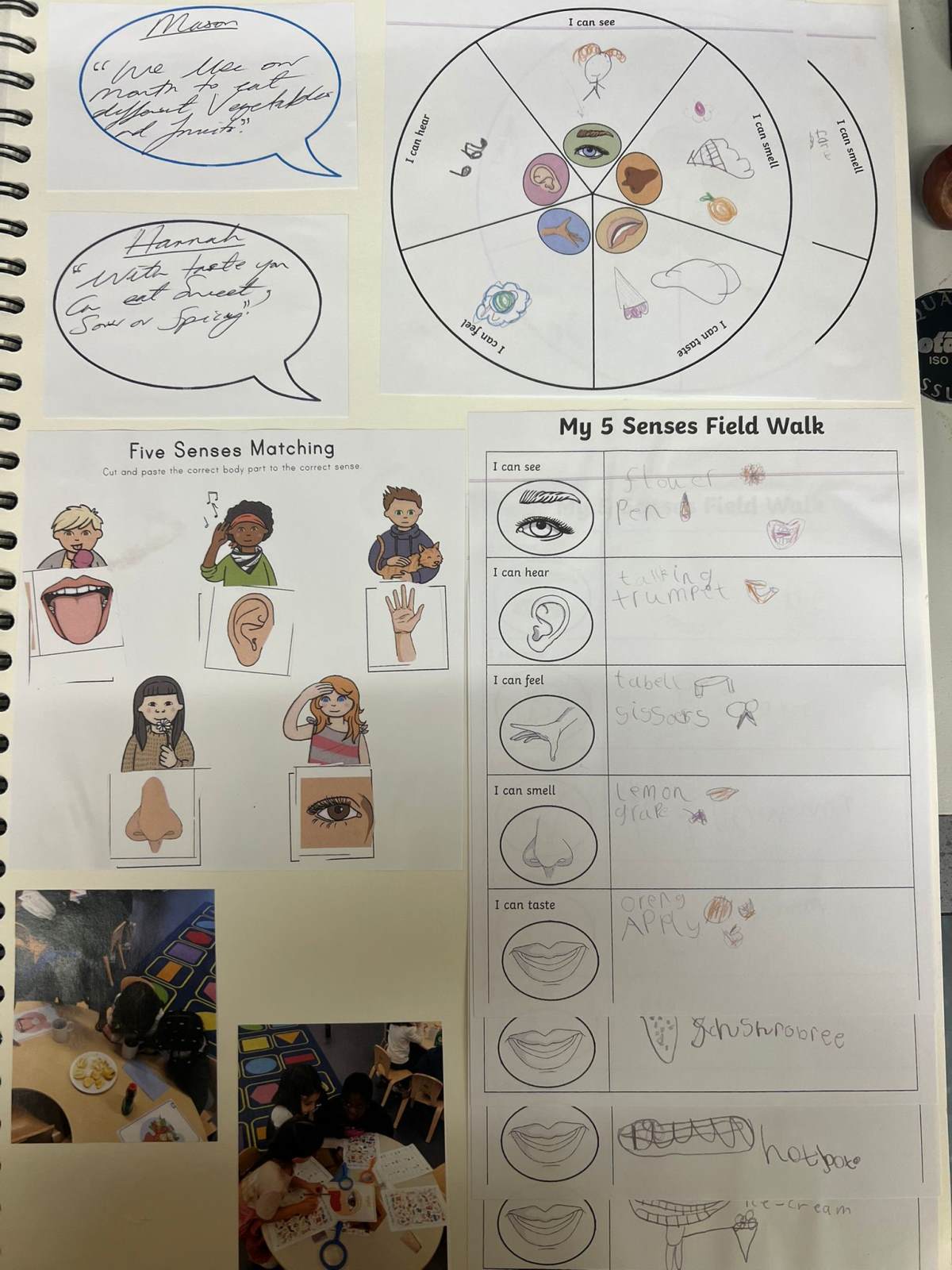
Identify common animals (pets and wild animals) and learn about their diets (carnivores, herbivores, omnivores). Explore the human body and senses. - Everyday Materials:
Investigate materials such as wood, plastic, glass, and metal. Compare their properties and test for absorbency, elasticity and waterproofness. - Plants:
Identify familiar garden and wild plants, including trees. Learn the basic parts of plants and observe how they change over the year.
Your child will also develop scientific skills such as observing, classifying, testing and recognising patterns through hands-on activities.
Year 2
This year, your child will build their understanding of animals, habitats, materials and plants through focused science topics.
- Animals Including Humans:
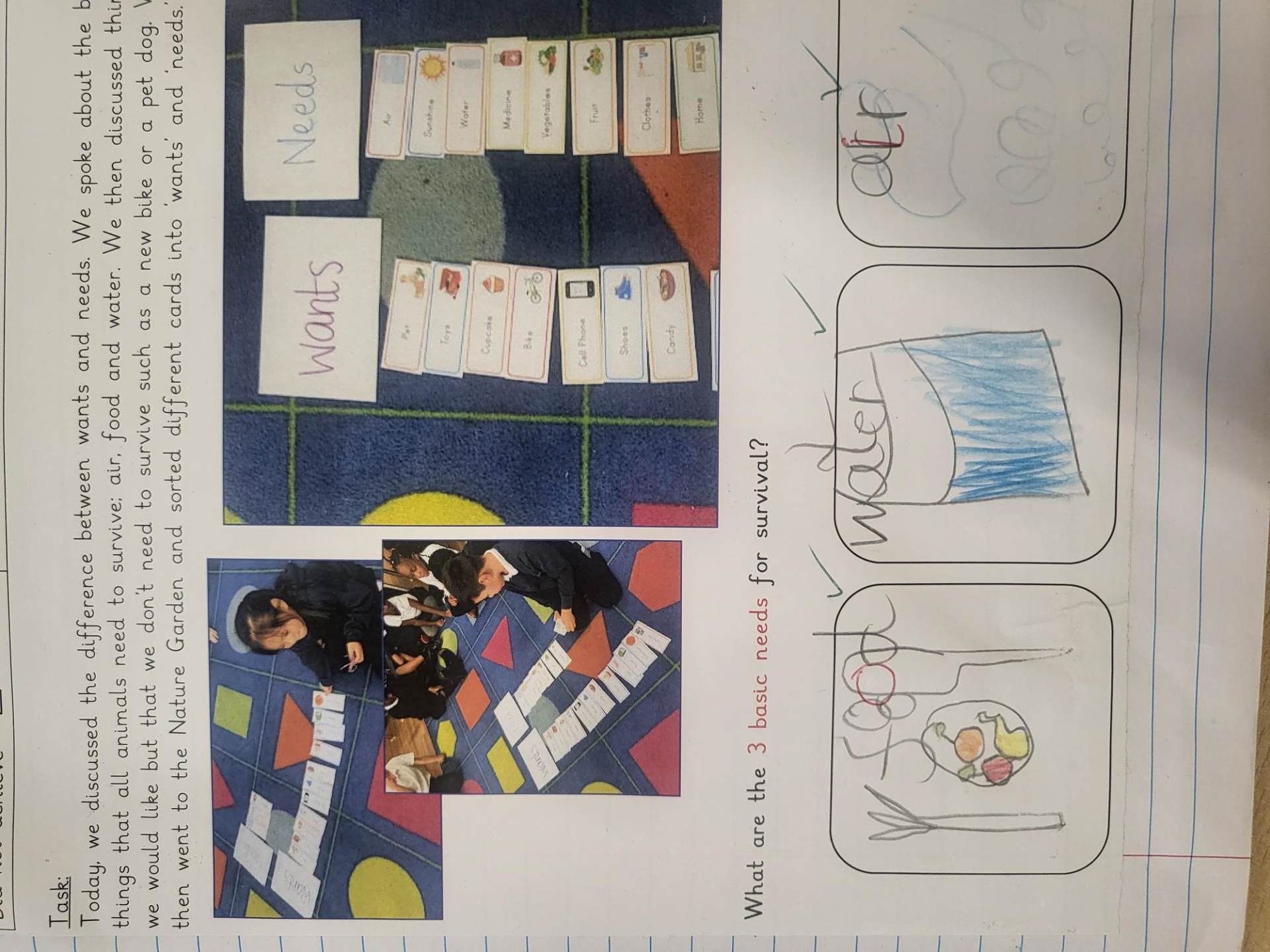
Learn how young animals grow into adults and what all animals (including humans) need to survive. Explore hygiene, healthy eating and exercise. - Uses of Everyday Materials:
Compare materials such as wood, metal, plastic and glass. Investigate how materials change when they are bent, squashed, twisted or stretched. - Living Things and Their Habitats:
Identify living, dead and non-living things. Explore different habitats and microhabitats and learn about simple food chains. - Plants:
Observe how seeds and bulbs grow and learn what plants need to thrive, such as warmth, water and light.
Throughout the year, your child will strengthen skills like classifying, observing changes over time, testing materials and carrying out simple research.
Year 3
Your child will explore rocks, forces, light, animals and plants through practical and engaging topics.
- Rocks:
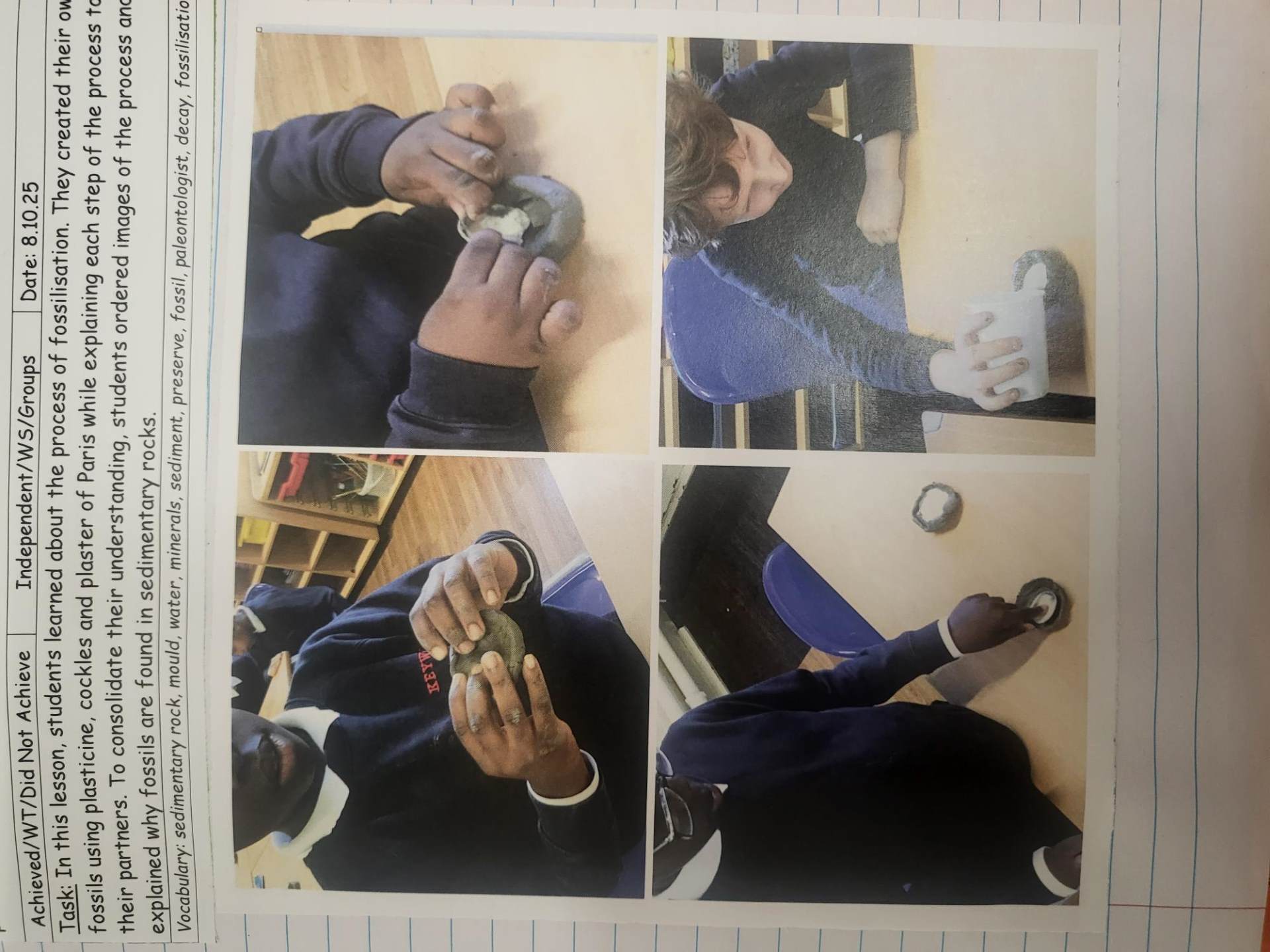
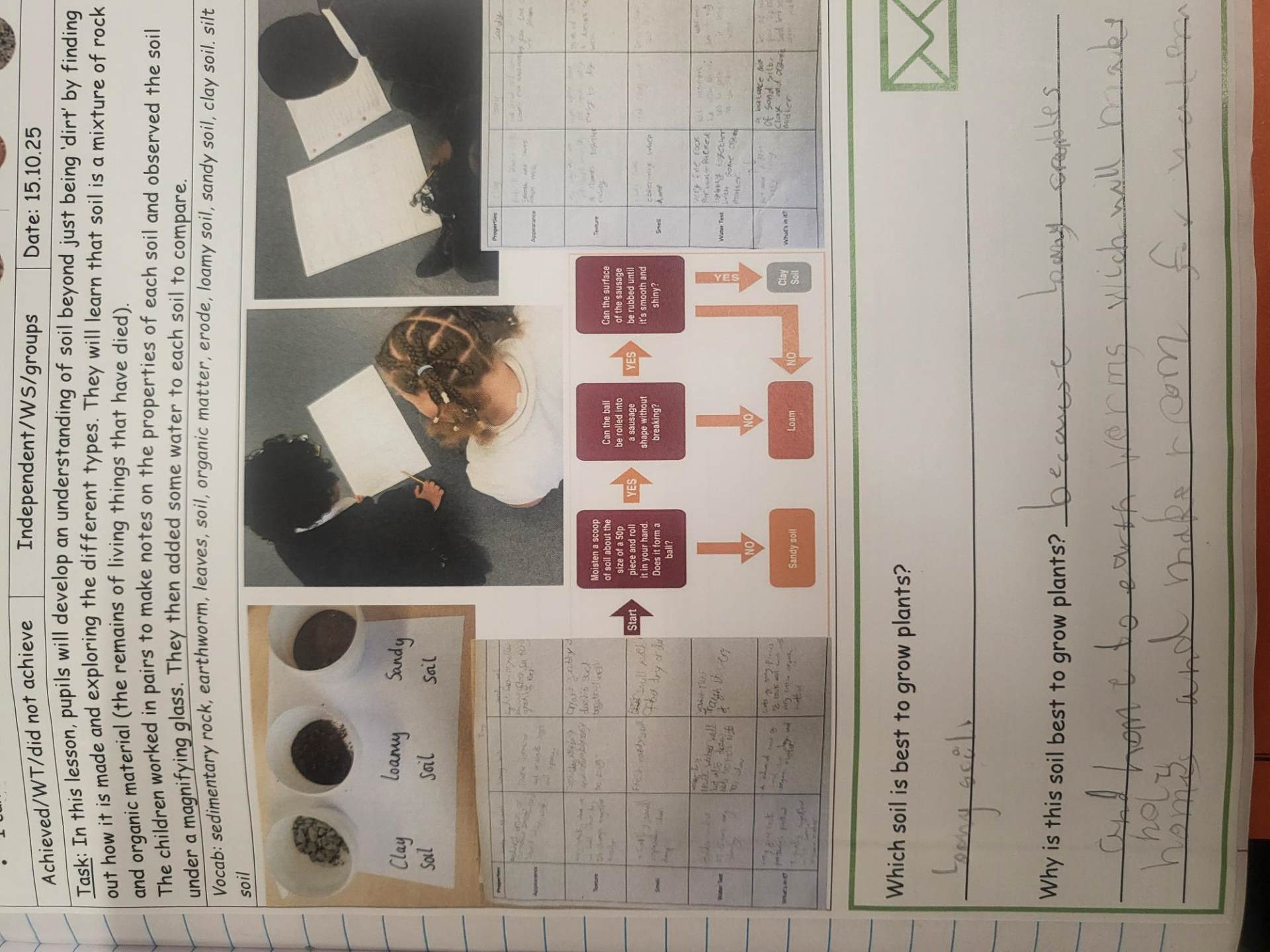
Compare rock types, understand how fossils form and learn that soil is made from rocks and organic matter. - Forces and Magnets:
Explore how objects move on different surfaces, investigate magnetic attraction and repulsion and identify everyday magnetic materials. - Light:
Learn that we need light to see, investigate reflection and shadows and understand how light behaves. - Animals Including Humans:
Explore nutrition, the need for a balanced diet and how skeletons and muscles support movement and protect the body. - Plants:
Identify plant parts and their functions. Investigate what plants need to grow well, how water travels through plants and how seeds are formed and dispersed.
Your child will continue building skills in classifying, fair testing, observing over time, researching and identifying patterns.
Year 4
This year includes hands-on studies of living things, materials, sound, the human body and electricity.
- Living Things and Their Habitats:
Learn how living things can be grouped and classified. Explore local and wider habitats and understand how environmental changes affect them. - States of Matter:
Compare solids, liquids, and gases. Observe changes of state through heating and cooling and study the water cycle, including evaporation and condensation. - Sound:
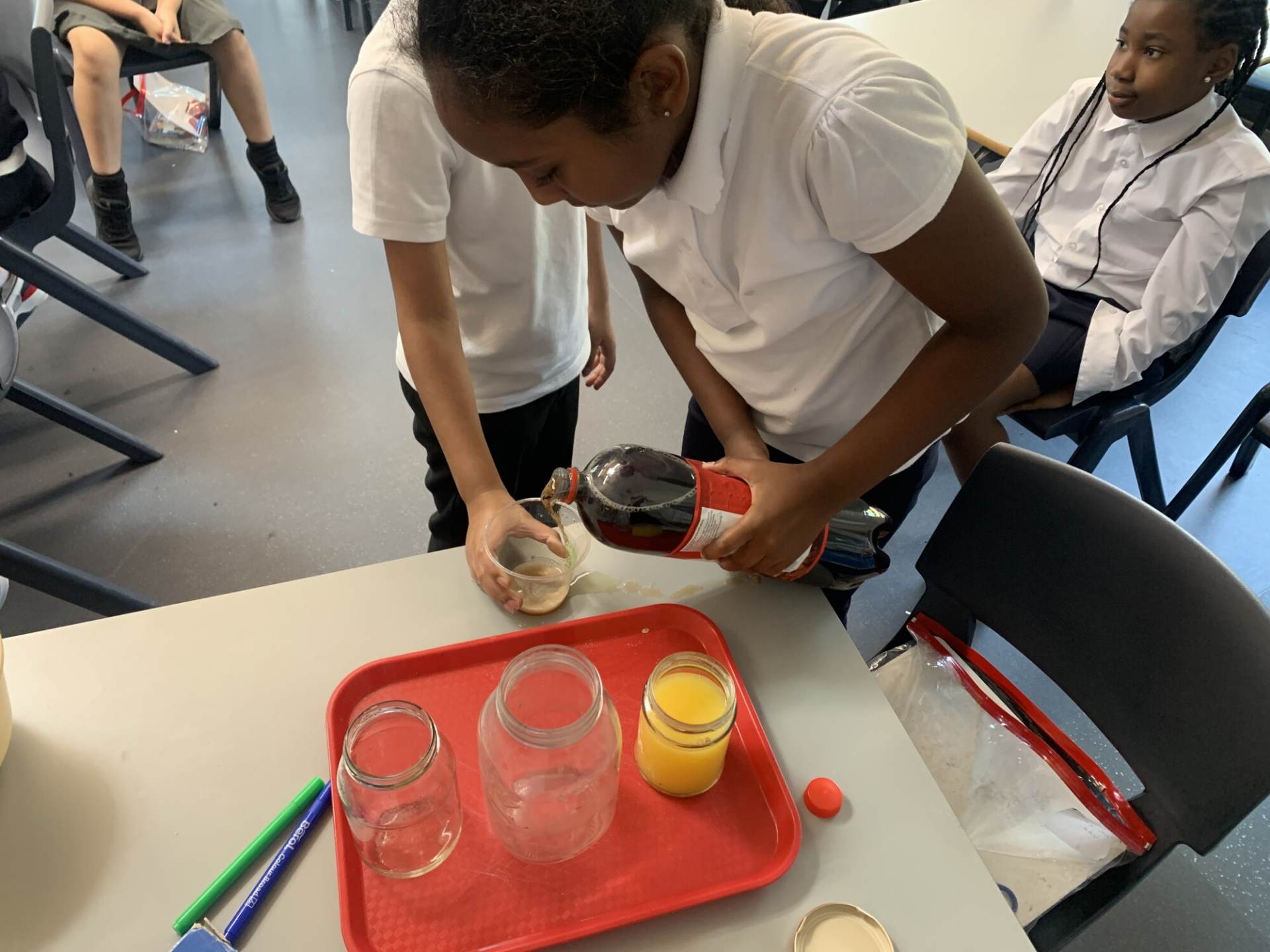
Investigate how sounds are made and travel. Explore pitch, volume and how distance affects sound using instruments and data loggers. - Animals Including Humans:
Learn about the human digestive system, different types of teeth and their functions and food chains including producers, predators, and prey. - Electricity:
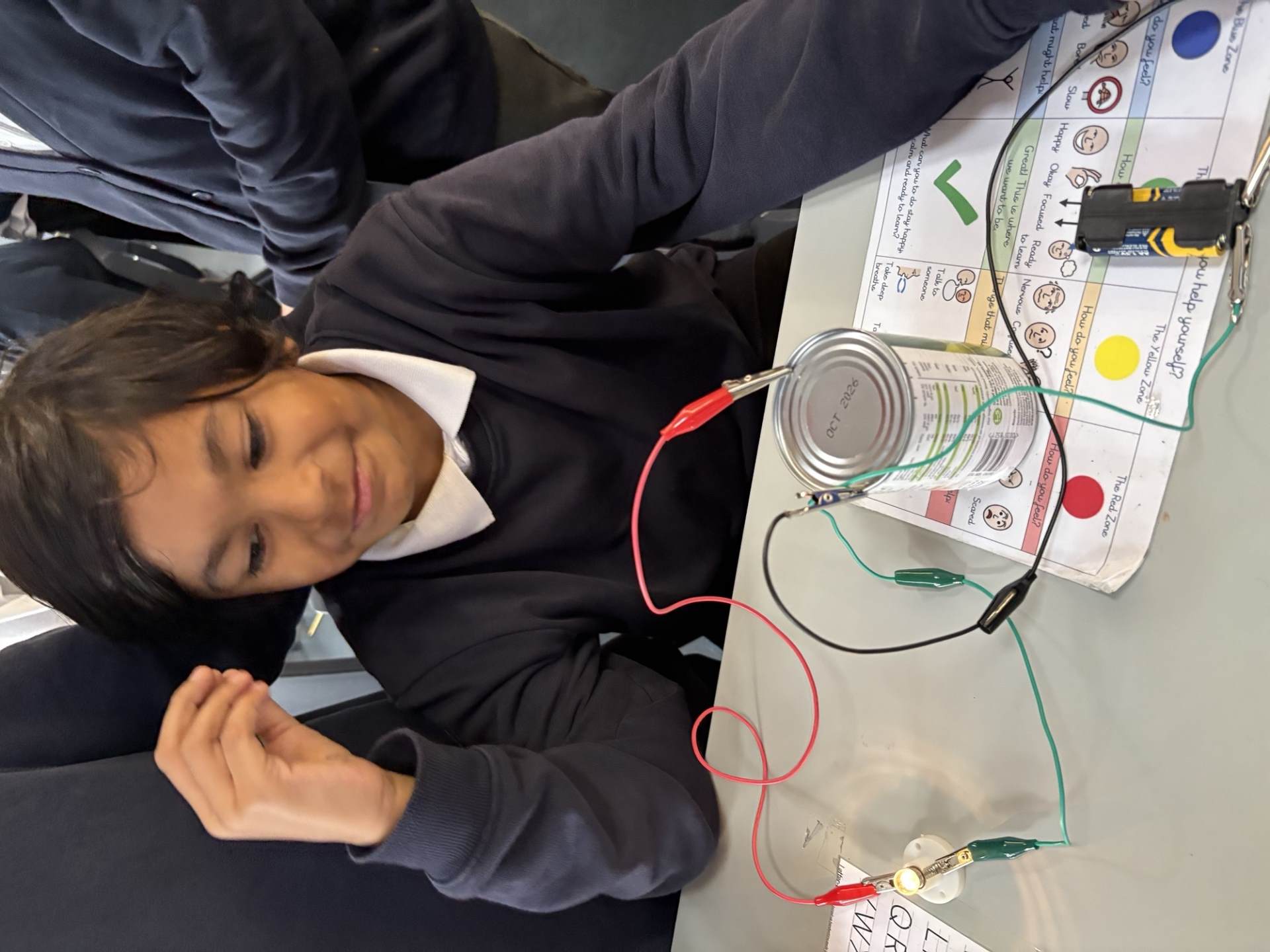
Build simple circuits, identify components, explore switches and investigate conductors and insulators. Classify appliances based on how they are powered.
Year 5
Your child will develop their understanding of six major science topics.
- Properties and Changes of Materials:
Explore properties such as hardness, solubility, conductivity and investigate reversible and irreversible changes. - Animals Including Humans:
Study stages of human development from infancy to old age. - Forces:
Learn about gravity, air resistance, water resistance and friction. Explore how levers, pulleys and gears work. - Living Things and Their Habitats:
Discover the life cycles of birds, insects, mammals, and amphibians and learn how plants and animals reproduce. - Earth and Space:
Explore the movement of the Earth, Moon and planets and understand how day and night occur.
Children will continue building skills in classifying, fair testing, observing over time and researching.
Year 6
In their final primary year, children will deepen their understanding of six key science areas.
- Light:
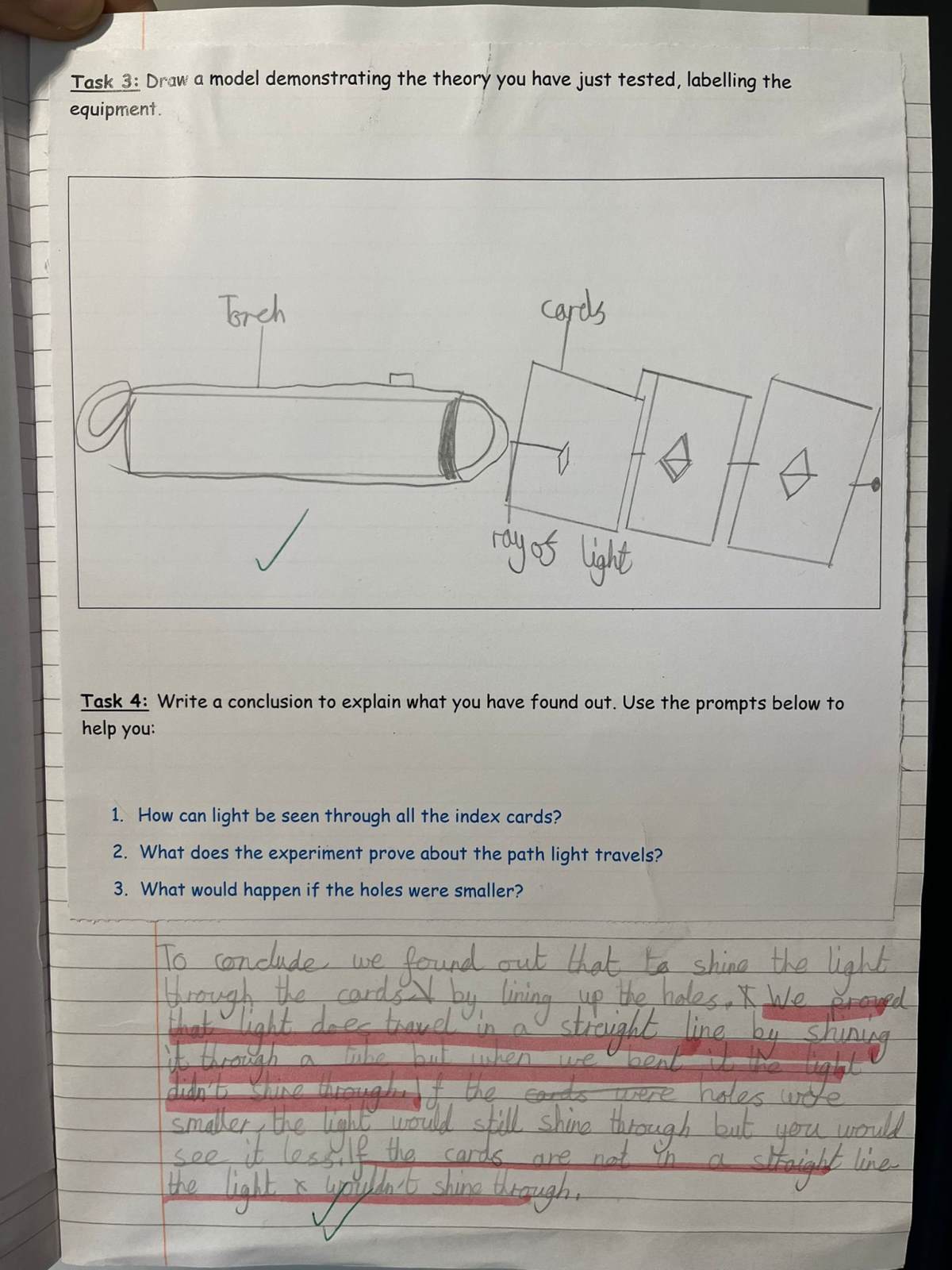
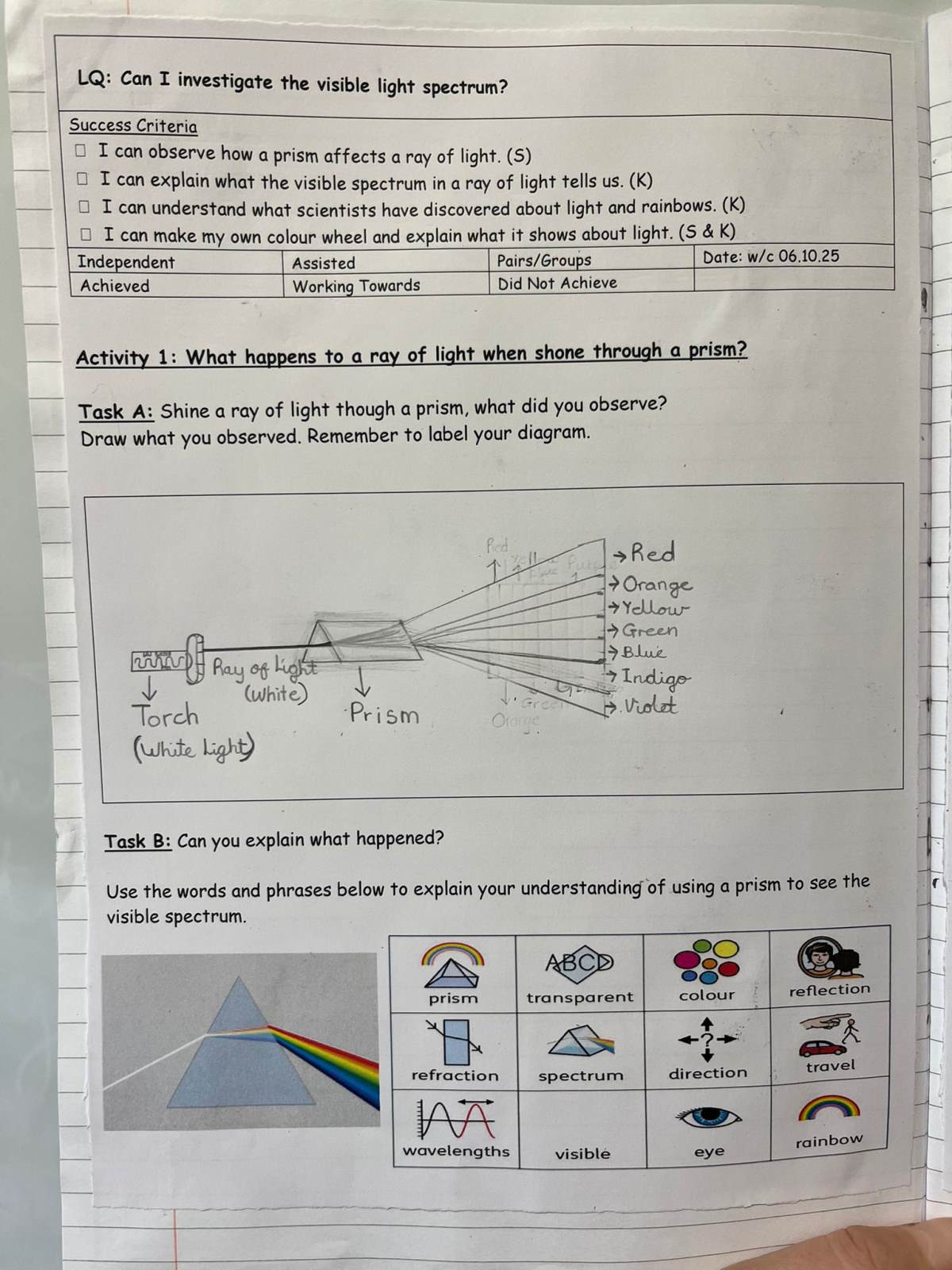
Learn how light travels in straight lines, how we see objects and why shadows form. - Living Things and Their Habitats:
Classify living things, including micro-organisms and understand the reasons for classification. - Electricity:
Explore electrical circuits, understand how voltage affects components and draw circuit diagrams. - Evolution and Inheritance:
Learn how living things change over time. Study fossils, adaptation and natural selection. - Animals Including Humans:
Investigate the circulatory system and understand how diet, exercise, drugs and lifestyle affect health.
Children will use investigation, observation, research and pattern spotting to strengthen their scientific understanding.
- Science Curriculum Map download_for_offline