RE
At Goodrich Primary School, we strongly believe that an understanding of and appreciation for all religions and spiritual beliefs is an important part of our children’s education and personal development; an appreciation that is underpinned by our core school values: Respectful, Self aware and supporting, Connected to the community, Creative and Practical, Academically ambitious and Progressive.
The teaching and learning of RE runs parallel with our PSHE curriculum and British Values. All of which contribute to the embedding of a fundamental understanding of what is right and wrong; where discrimination, racism and bullying is challenged and we all work together to make our school a warm, positive and safe place to be.
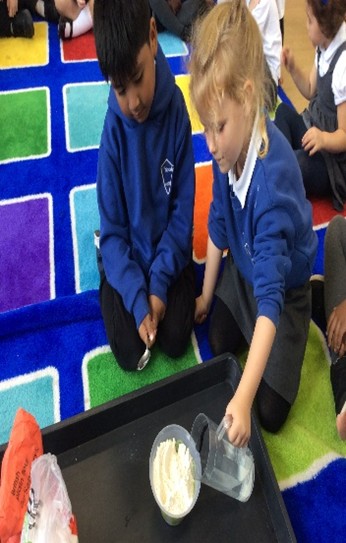
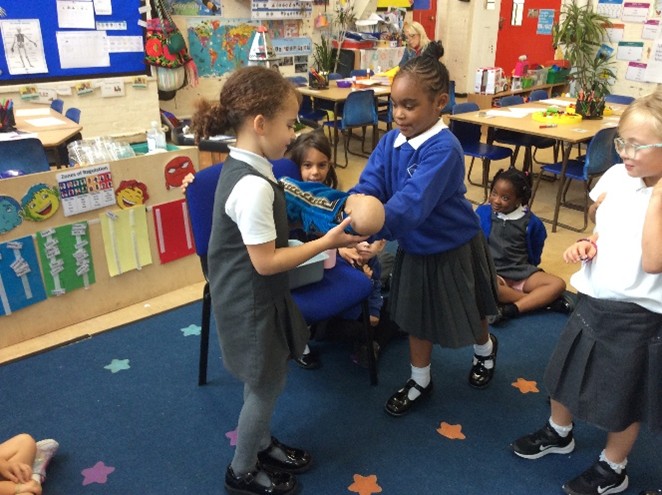
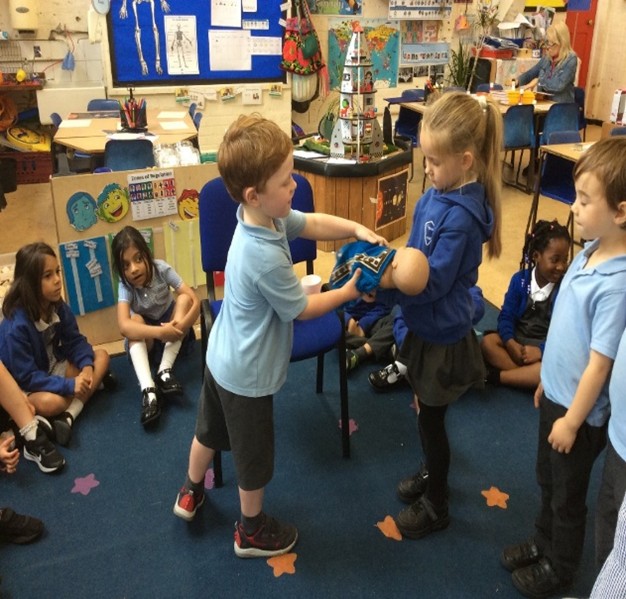
Lessons are creative, experiential and inclusive, utilising a range of teaching strategies and resources so the needs of all children can be met.
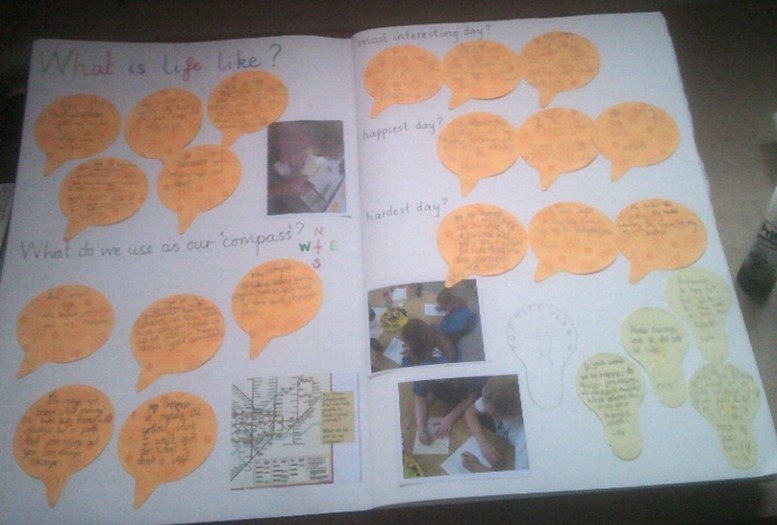
We encourage our children to draw upon their own experiences and those of friends and family, enriching their learning by ensuring it is collaborative. Each year group will think about a Big Question that will support their learning of each unit they are taught.
-
RE Curriculum Map
download_for_offline
download_for_offlineRE Curriculum Map
- RE Curriculum Statement download_for_offline
download_for_offlineRE Curriculum Statement
- RE Progression Map KS1 and KS2 download_for_offline
download_for_offlineRE Progression Map KS1 and KS2
Intent
At the Gem Federation, we strongly believe that an understanding of and appreciation for all religions and spiritual beliefs is an important part of our children’s education and personal development; an appreciation that is underpinned by our core school values: tolerance, respect and connection to the community.
By learning about Hinduism, Christianity, Islam and all the other major faiths practiced around the world, our children not only develop the ability to ask challenging questions about life and their perception of right and wrong, but are able to articulate and appreciate their own faiths and traditions; they are able to explore similarities and differences and reflect on the commonalities that unite them. As a multi-faith school, within a multi-faith community, we encourage our children to be open-minded and curious, to respect the beliefs of others and recognise the value of a society that is diverse and rich with culture, beliefs and traditions.
The aim of religious education at our school is to promote the spiritual, moral, social, emotional, cultural and intellectual development of pupils by encouraging an exploration of and response to those aspects of religion and human experience which raise fundamental questions of belief and value.
The teaching and learning of RE runs parallel with our PSHE curriculum, school and British Values. All of which contribute to the embedding of a fundamental understanding of what is right and wrong; where discrimination, racism and bullying is challenged and we all work together to make our school a warm, positive and safe place to be.
Implementation
At the Gem Federation, our RE lessons follow the Southwark SACRE scheme of work. We have a different focus every half term with each unit building upon the learning of the previous one in lessons that explore the rituals, practices and narratives of each faith.
Lessons are creative, experiential and inclusive, utilising a range of teaching strategies and resources so the needs of all children can be met. We encourage our children to draw upon their own experiences and those of friends and family, enriching their learning by ensuring it is collaborative.
Each unit is informed by key questions, encouraging our children to be curious and reflective from the offset, promoting discussion and debate. All of which are underpinned by one ‘Big Question’: an investigation of all religions in relation to one particular focus. Examples of the Big questions in each year group include:
• Year 1 - What does it mean to belong?
• Year 2 - Can stories change people?
• Year 3 - How are symbols and sayings important in religion?
• Year 4 - What is special to me and the people in my community?
• Year 5 - How do beliefs influence actions?
• Year 6 - How important are the similarities and differences between and within religions?
Each question is asked with the intention of building upon the children’s previous learning and own experiences. Each unit encompasses multi-faiths with the intent to deepen the children’s their understanding of religion, faith and different people’s relationship with them.
School visits to different places of worship expose the children to the art, rituals and resources of each religion in practice, broadening their understanding of each and appreciation of the part they play in the community in which they live.Impact
At the end of each unit, the children complete a focused task that encompasses their current learning, which is then assessed alongside ‘I can’ statements linked to each unit.
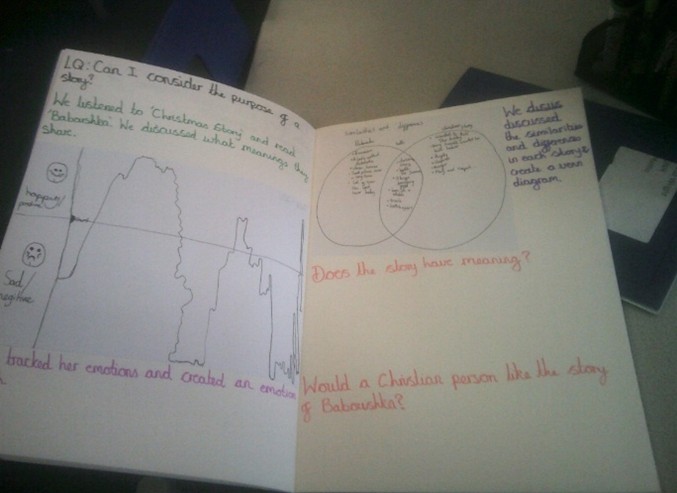
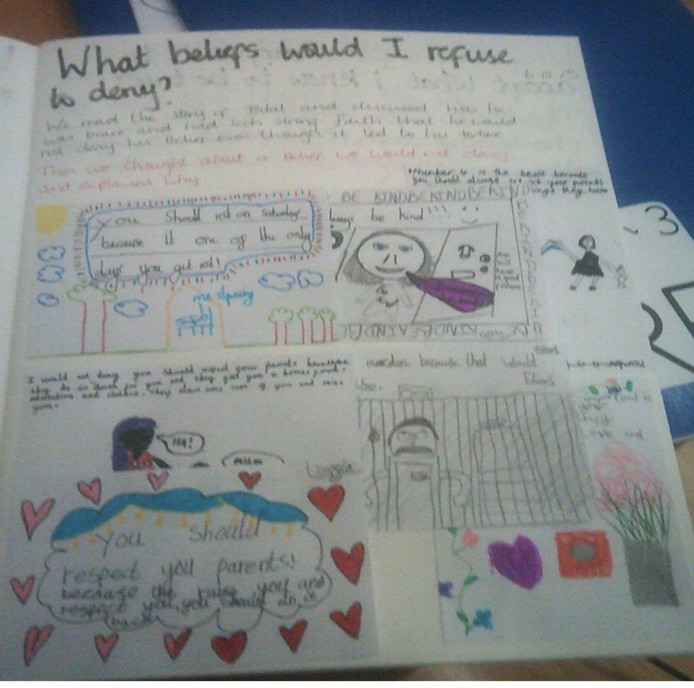
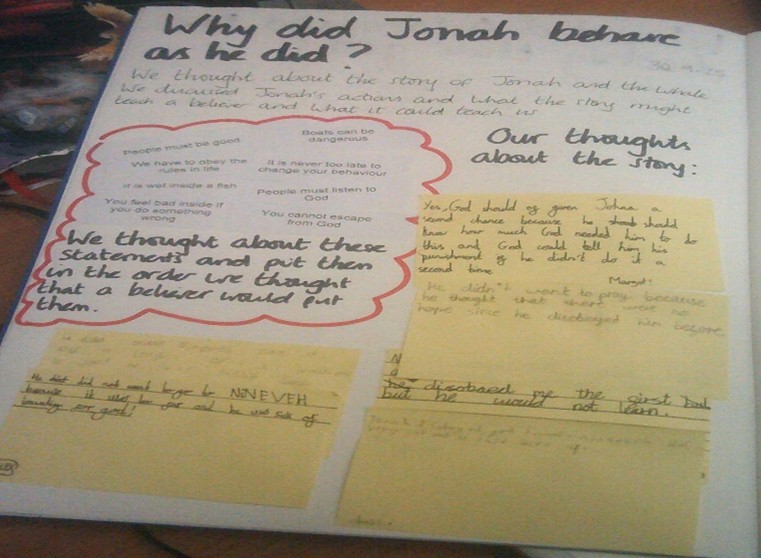
Learning is monitored through book scrutinies, learning walks and discussions with children and colleagues, with additional views shared through ‘pupil voice’.The impact of the children’s RE learning can be found in the quality of discussions that take place and the work completed in their books. It is evidenced in their deepening understanding of and appreciation for all faiths and the compassion, tolerance, respect and celebration that informs it.
Learning Across the Year Groups
EYFS
In Early Years, the children will think about ‘What is special to themselves and others?’ The children will have the opportunity to learn and discuss different stories and philosophical themes around different religions such as Christianity, Hinduism, Islam, Buddhism, Sikhism, Judaism and Humanist views. The children will also have the opportunity to learn about different religious festivals. They will think about what is special to them and others.
Year 1
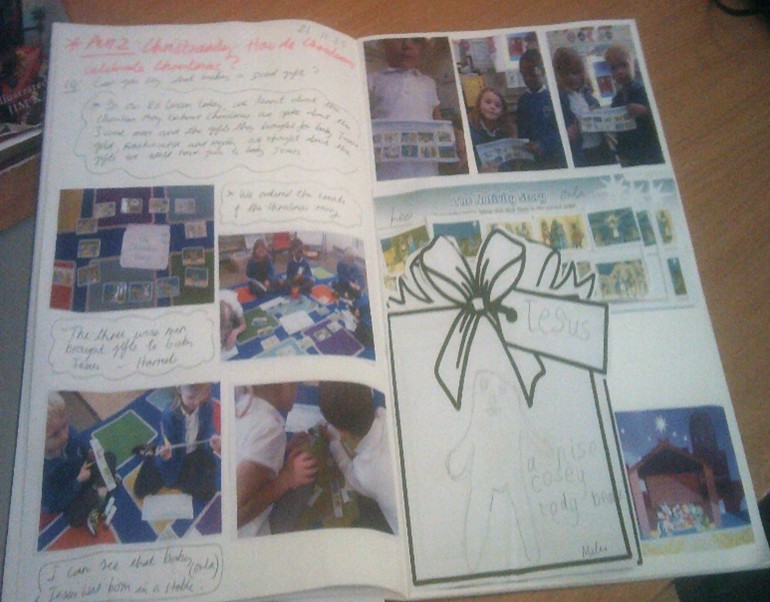
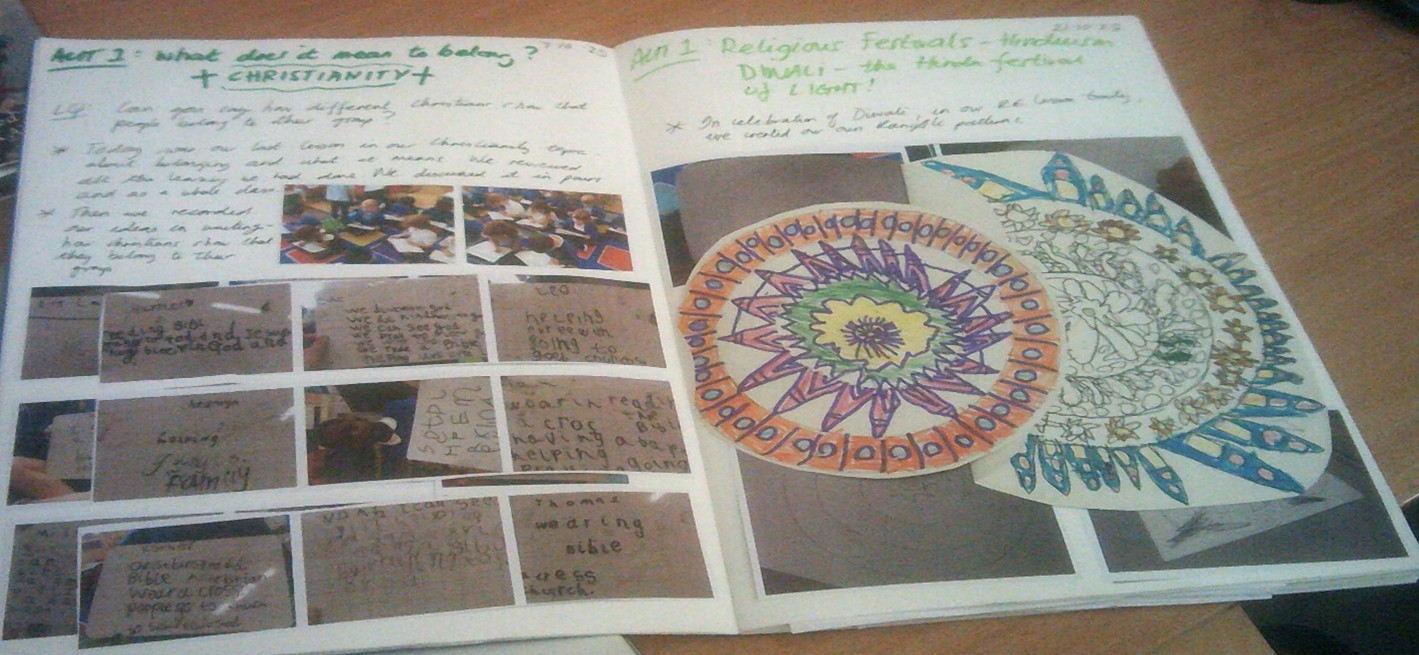
During year 1 the children will think about ‘What it means to belong?’ They will have the opportunity to explore Christianity and think about how Christians show that they belong to their religion. They will also learn about how Christians celebrate Christmas. The children will explore how people from other faiths show that they belong to their religion, these faiths being Sikhism and Hinduism. Year 1 will also think about what is special about living with friends and family and have the opportunity to talk about their experiences and listen to their peers.
Year 2
During Year 2 the children will think about ‘What can we learn from special stories?’
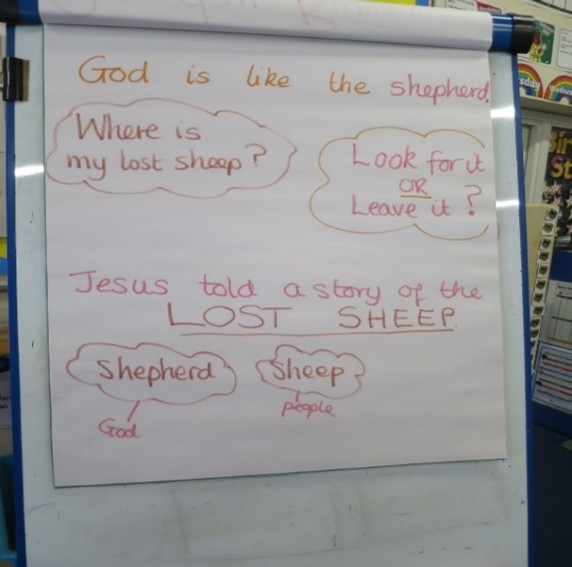
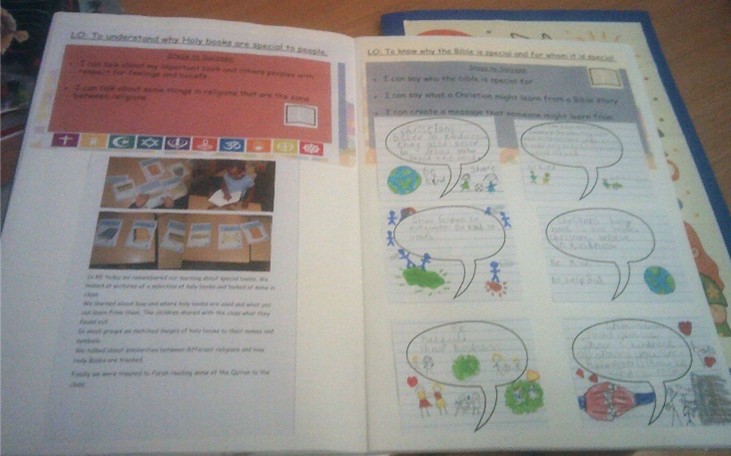
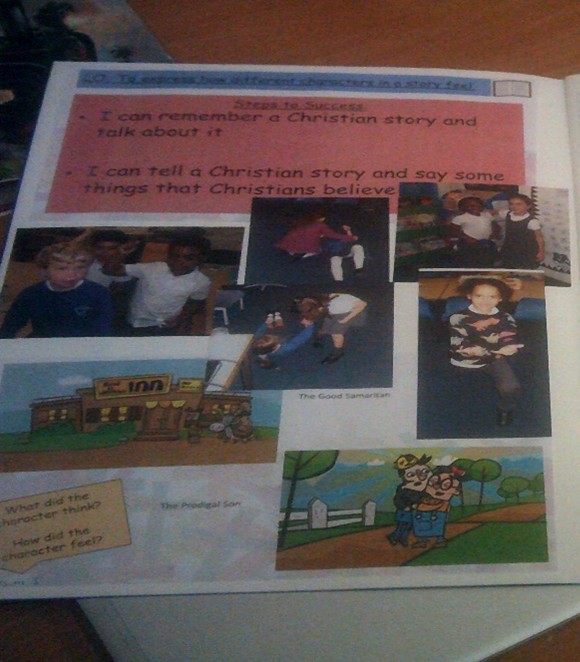
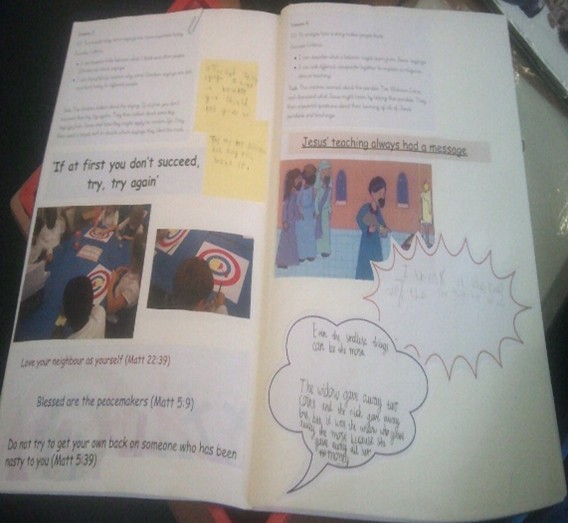
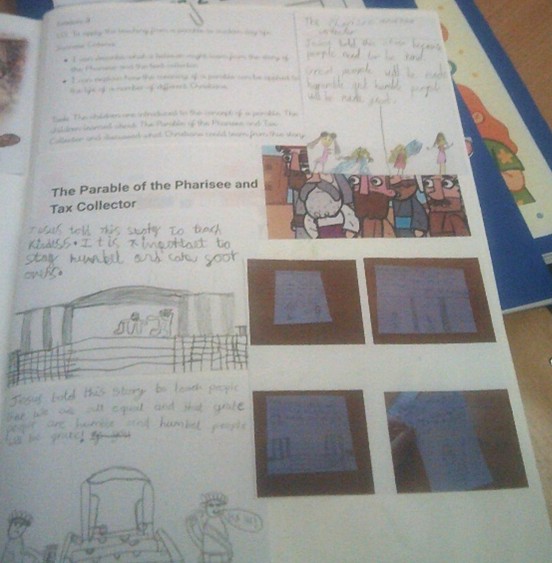
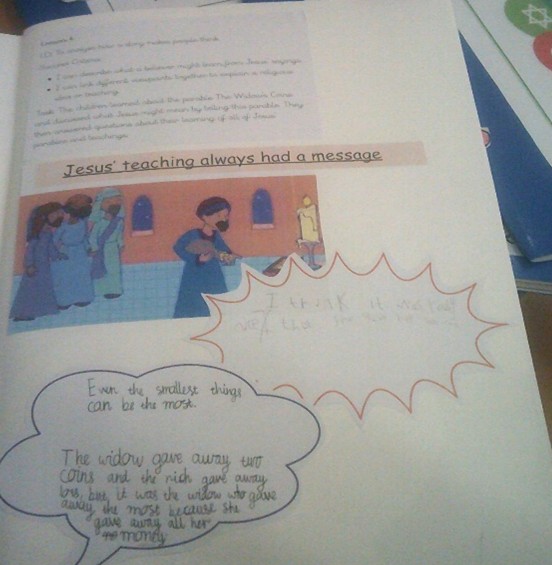
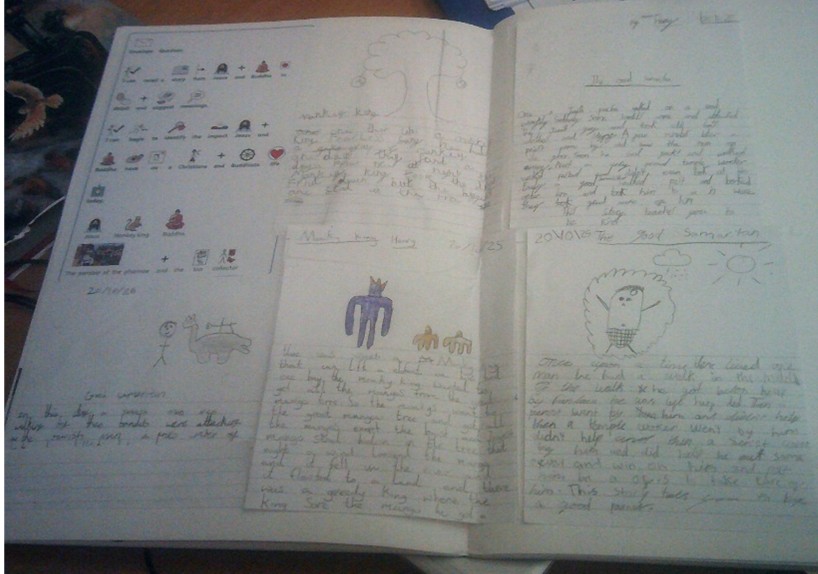
The children will look at why Jesus told stories. They will also have the opportunity to understand why different books are special to different people. In year 2 the children will explore the concepts of forgiveness and peace. They will also learn about Easter and importance of special food and fasting. The children will discuss their thoughts and feelings of how we can look after the world.
Year 3
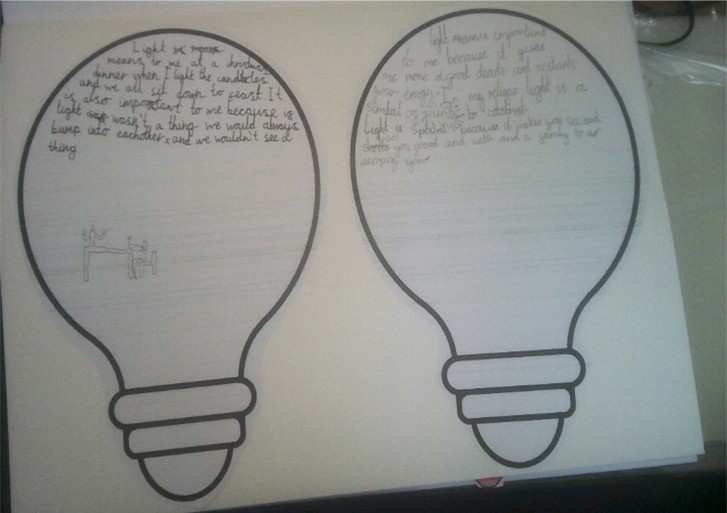
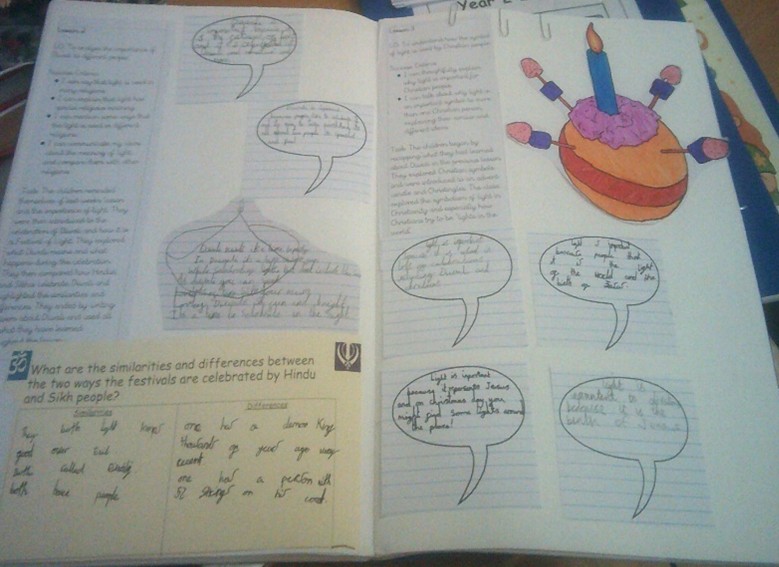
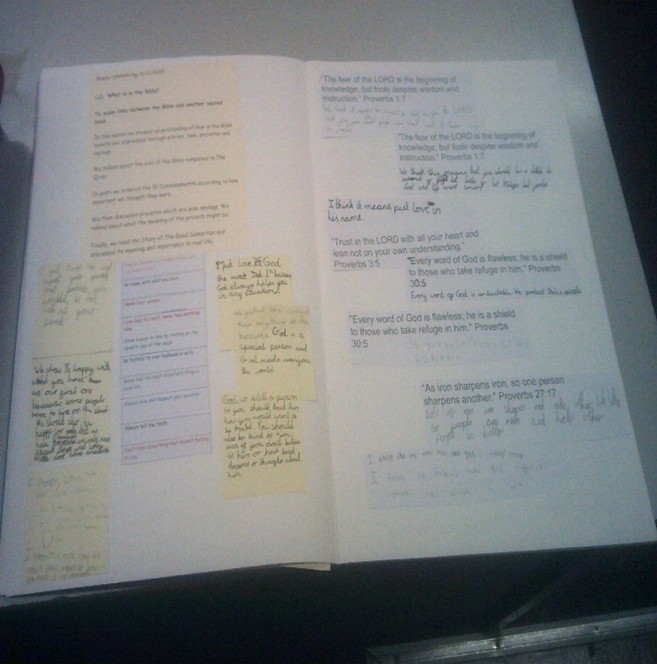
During Year 3 the children will think about ‘How are symbols and sayings important in religion?’ The children will think about how Jesus and Buddha make people stop and think. In year 3, the children will also explore significance of light and why it is important. The children will begin to understand the importance of Jewish place of worship this being a synagogue and also learn about the Hindu festival of Holi. In year 3 the children will begin to learn about the special symbols and signs used in religions.
Year 4
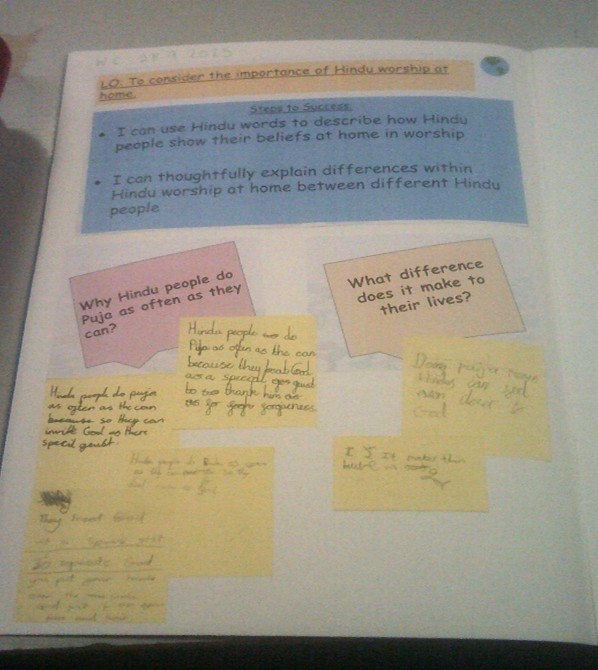
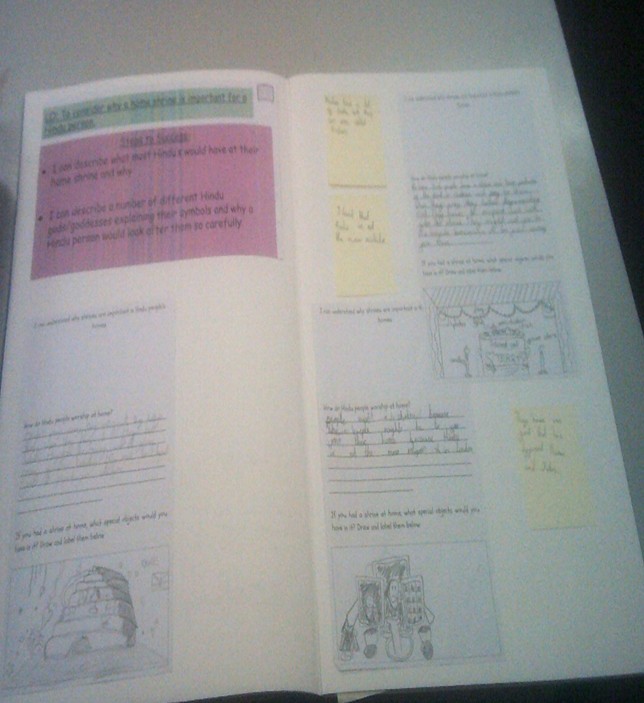
During year 4 the children will think about ‘What is important to people in my local community?’ They children will learn about how people from different religions worship at home and religious places of worship. The children will think about their local community and different religions and worldviews that are represented in their neighbourhoods.
Year 5
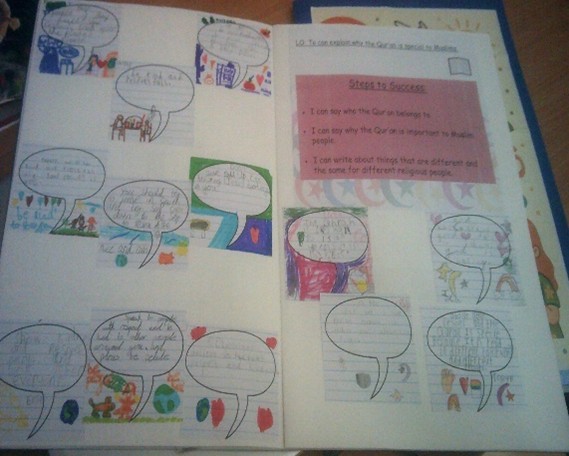
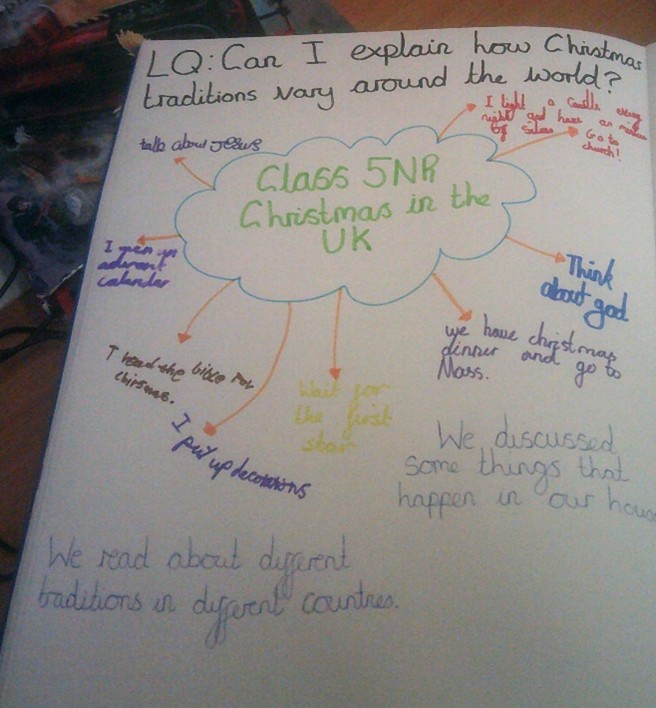
During year 5 the children will think about ‘What impact beliefs have on actions?’ The children will think about how inner forces effect how we think and behave. They will begin to think about how Christmas is celebrated worldwide. They will learn about Islam and why Muhammed and the Qur’an are important to Muslims. They will discuss and debate how animals should be treated as well as, delve into understanding what do religions and worldviews believe about God.
Year 6
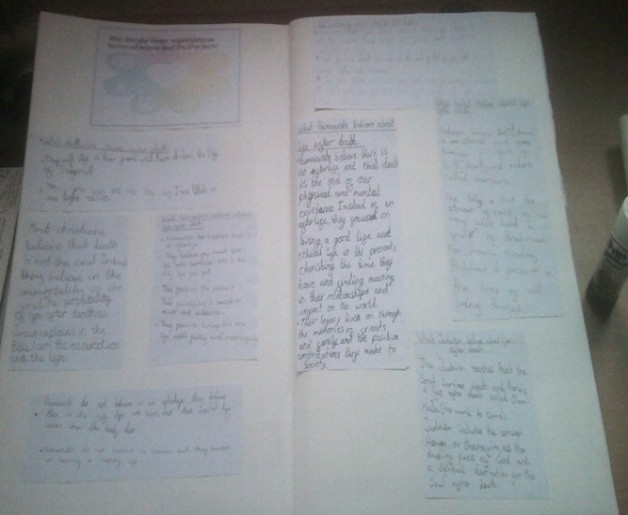
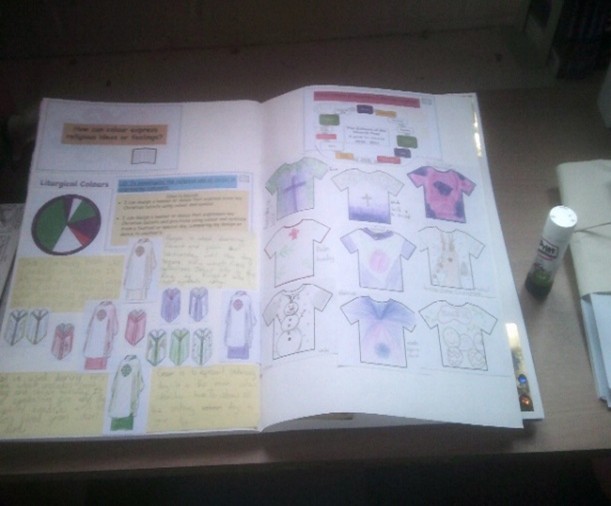
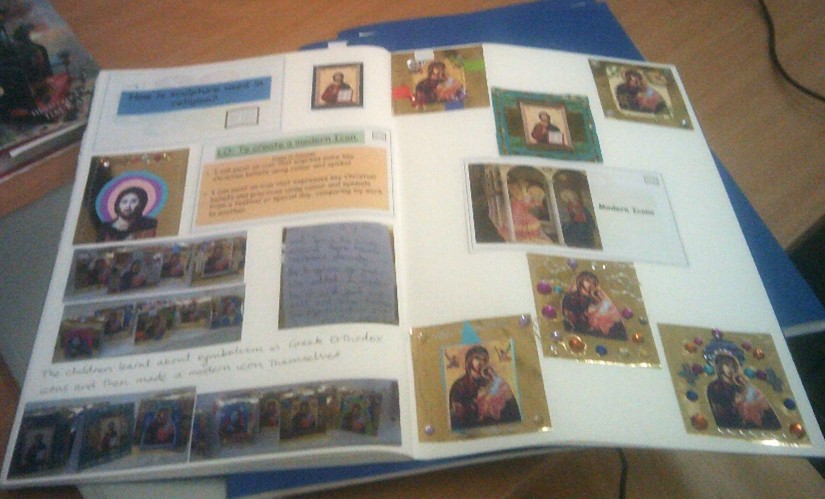
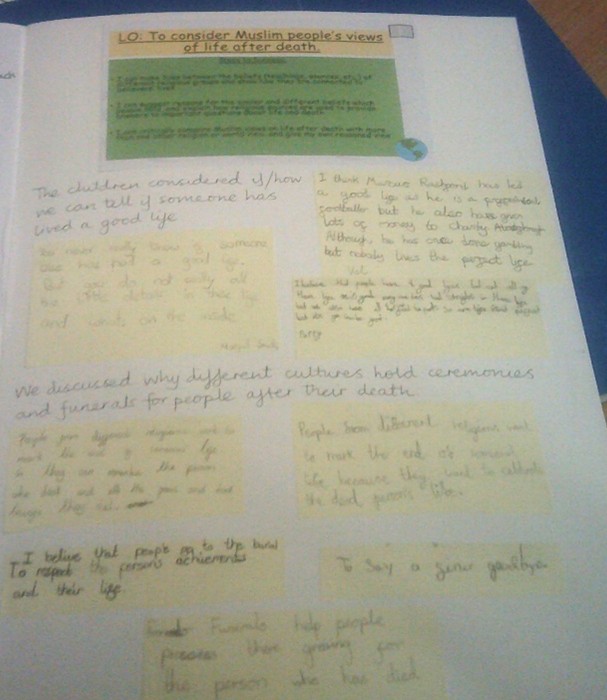
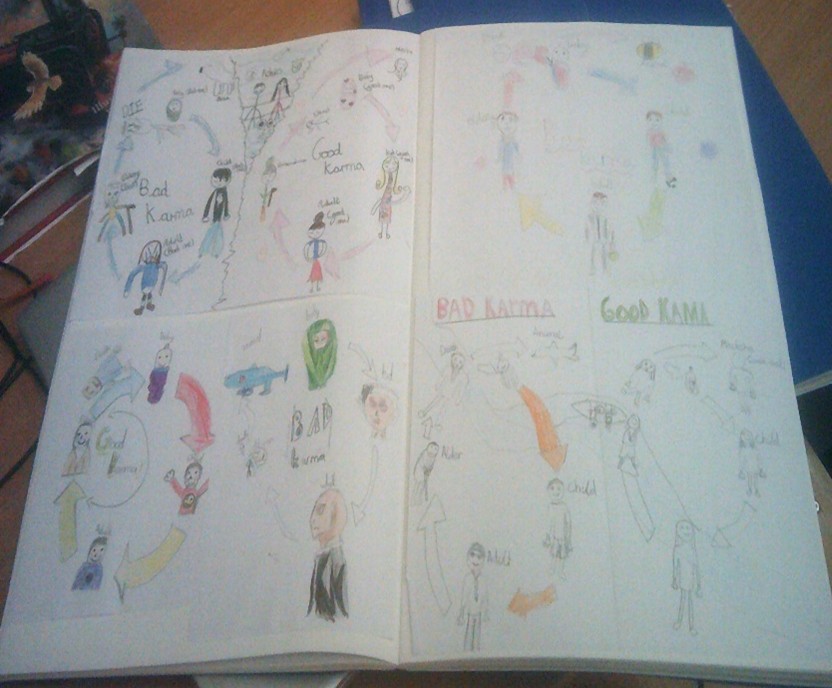
In year 6 the children will think about ‘How important the similarities and differences are between and within religions and worldviews?’ The children will look at how people express their beliefs through art in Christianity. They will look at what people believe about life after death. They will look at the importance of religious leaders and think about how they would design a celebration that is inclusive and includes everyone religious or not religious.
- RE Curriculum Statement download_for_offline