Music
At Keyworth Primary School, we believe that every child should have the opportunity to inspired, to develop an appreciation and love of music that continues throughout their time at Keyworth and beyond. We endeavour for our children to become curious and creative in their learning of music, to be critical and open-minded.
Music is a thread that runs throughout our school, whether learning, observing or performing and we strive to create a culture of appreciation that resonates. Our children are provided with a diverse and ambitious curriculum that ensures learning is progressive and inclusive, so every child has the opportunity to excel.
-
Music Curriculum Map
download_for_offline
download_for_offlineMusic Curriculum Map
- Music Curriculum Statement download_for_offline
download_for_offlineMusic Curriculum Statement
- Music Progression Grid download_for_offline
download_for_offlineMusic Progression Grid
Learning Across the Year Groups
Year 1
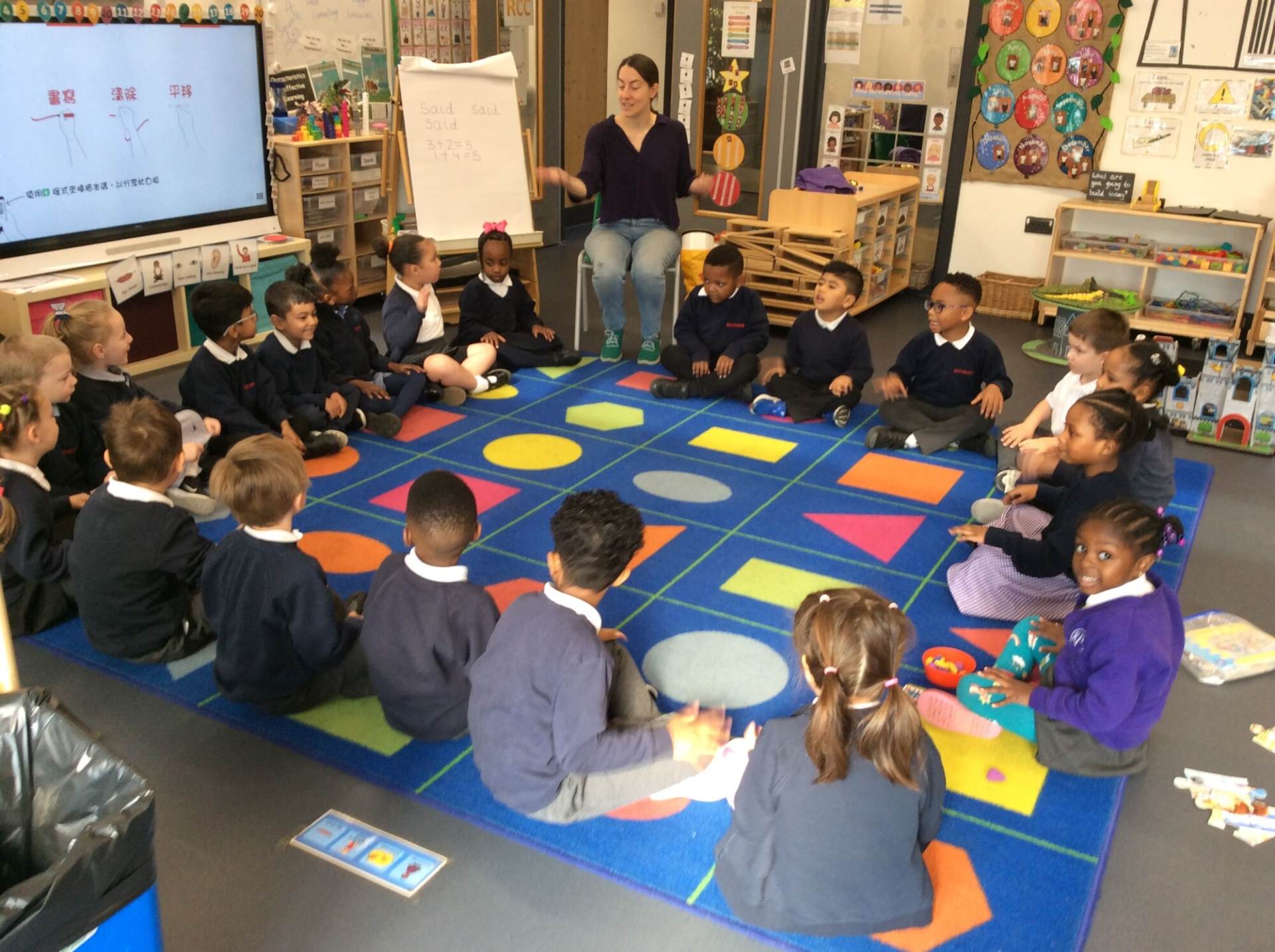
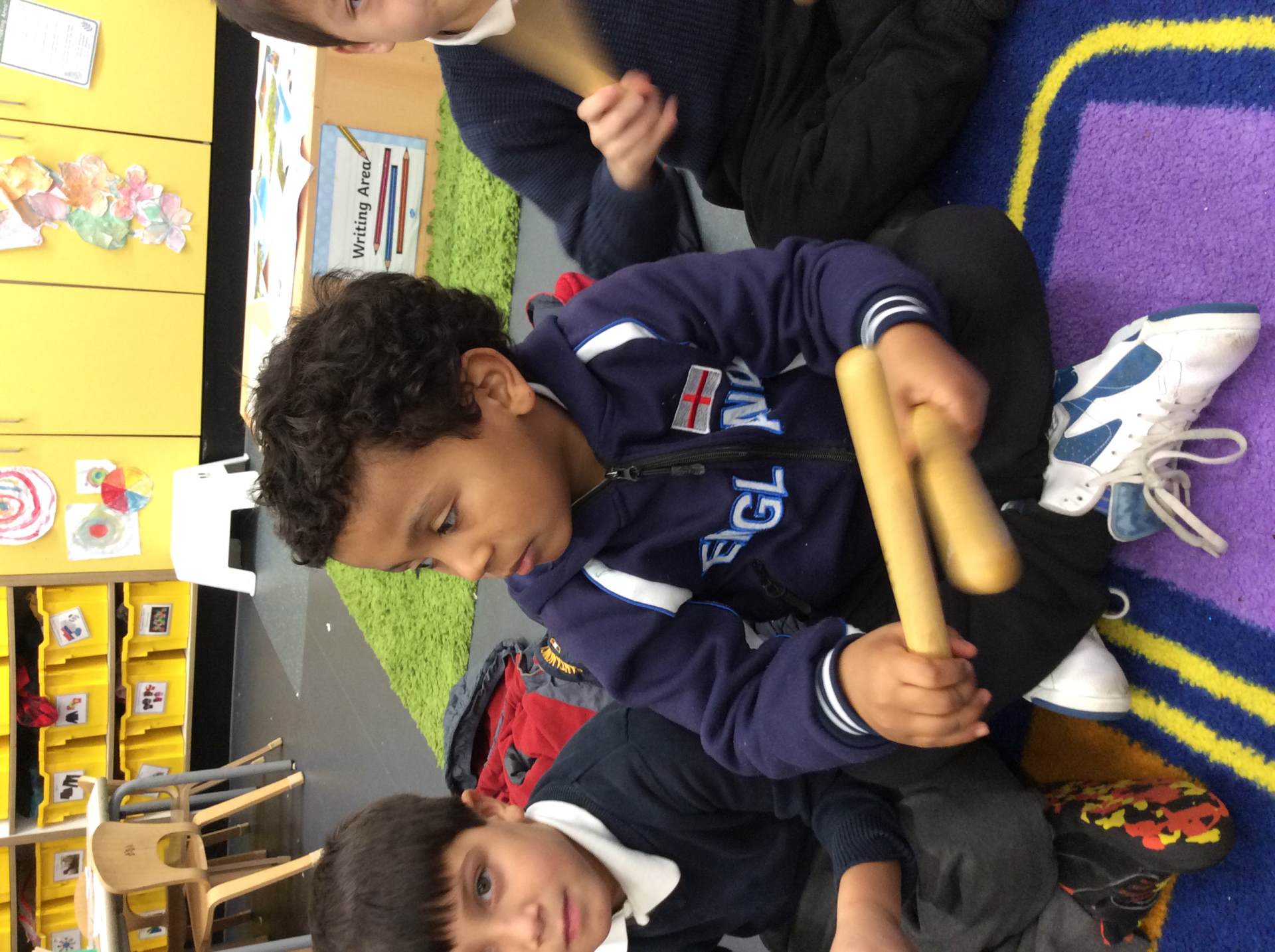
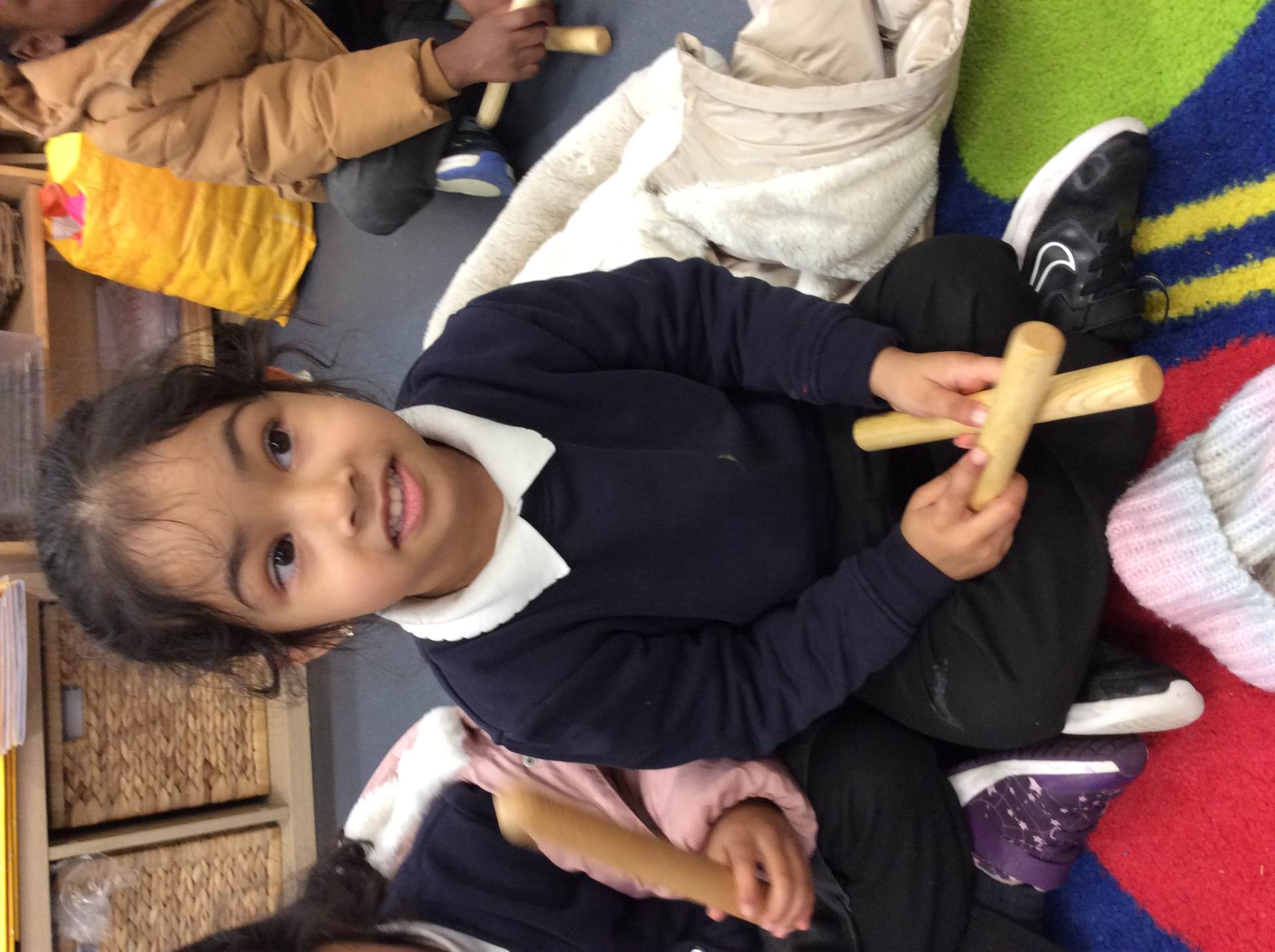
Throughout Year 1, the children build on what they learned in Reception and continue to develop their musical skills in line with the Primary National Curriculum. They learn to sing familiar songs, tap and clap the pulse and rhythm, and recognise different sounds made by voices and instruments. The children explore high and low sounds, long and short sounds, and changes in music such as loud and soft, and fast and slow, often using movement to support understanding.
By listening to a wide range of music and musicians across the year, the children develop their musical vocabulary and understanding of pulse and rhythm. Composition and performance skills progress from creating sound effects for stories to planning, composing and performing simple pieces with a partner. By the end of Year 1, the children are more confident listeners who can keep a steady beat and make music together.
/i/video/IMG_9102.mov
/i/video/IMG_9103.mov
Year 2
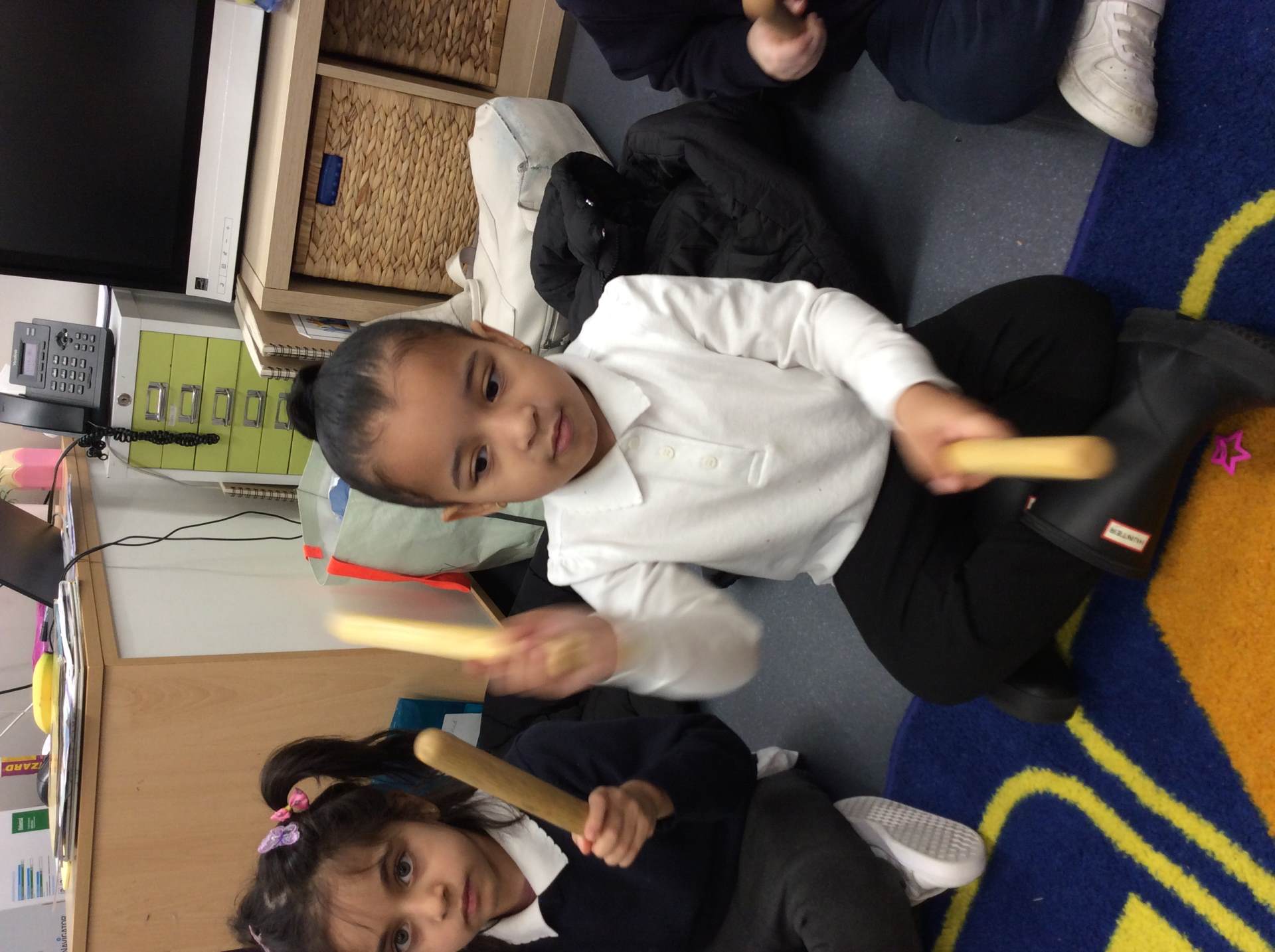
In Year 2, the children build confidently on the musical skills developed in Year 1, following the Primary National Curriculum. They deepen their understanding of high and low sounds, rhythm, and pitch by learning to sing and play new notes using hand signs and instruments. The children are introduced to simple rhythm notation and use this to clap, play and perform rhythmic patterns accurately.
Throughout the year, the children listen to a wide range of music from different styles and cultures, helping them recognise changes in speed, volume and mood. They develop their creativity by improvising melodies, creating sound effects for stories, and composing short musical pieces using symbols they design themselves. By the end of Year 2, the children are more confident using instruments, reading simple musical symbols, working together, and performing music with control and expression.
/i/video/IMG_2118.mov
/i/video/IMG_2130.mov
Year 3
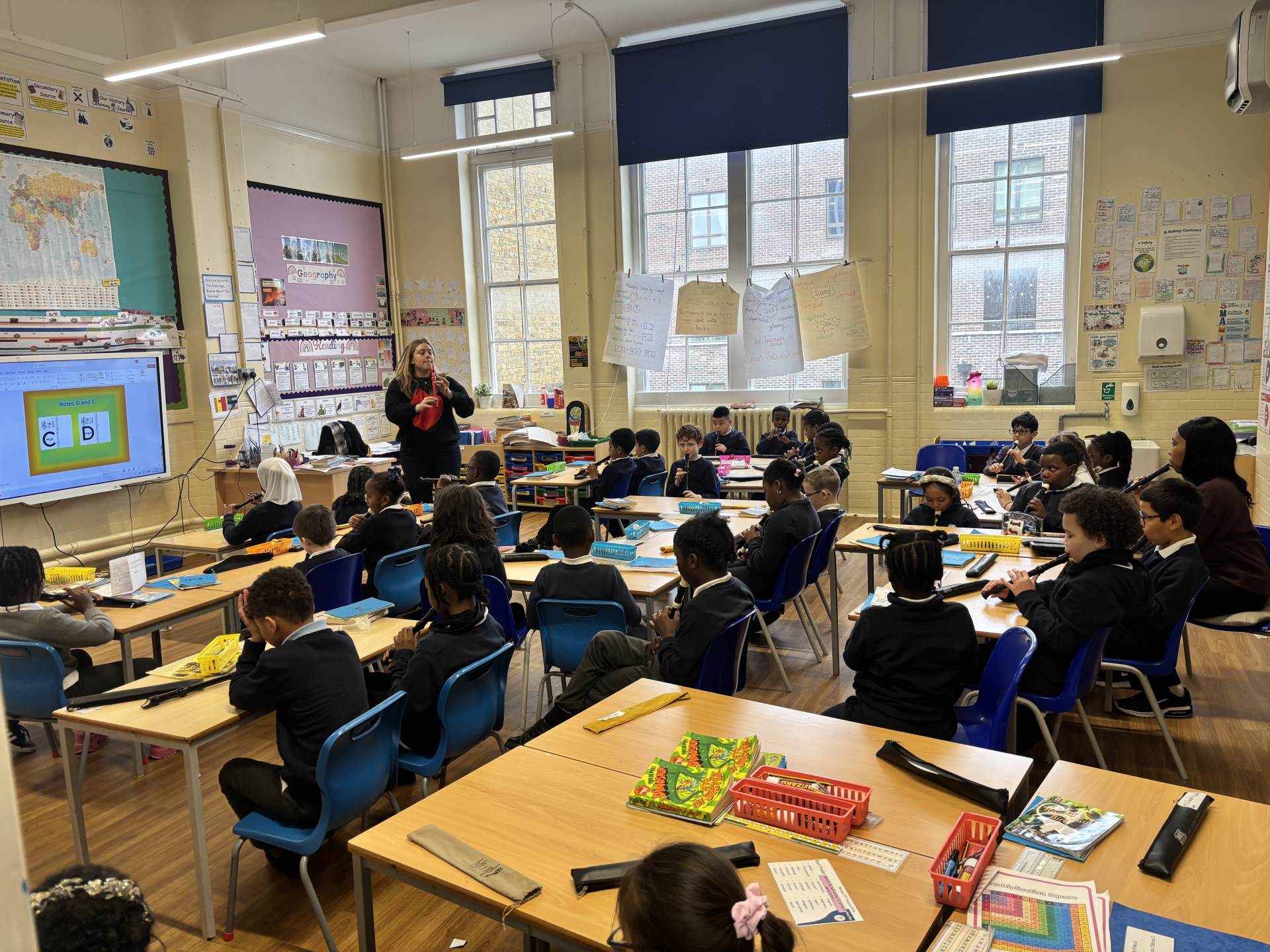
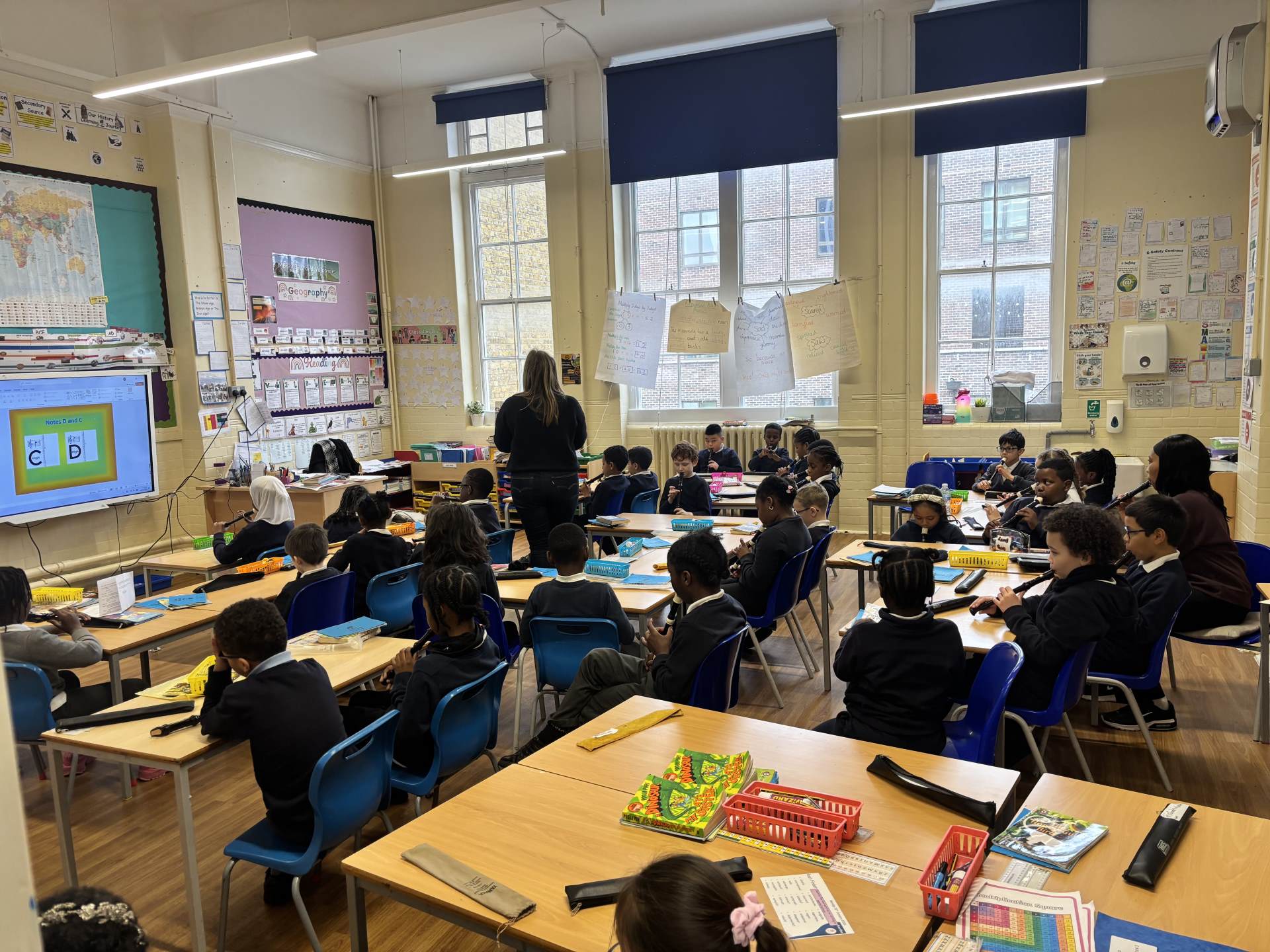
Throughout Year 3, the children build on the musical foundations developed in KS1, following the Primary National Curriculum, by learning to play the recorder and developing greater independence as musicians. They begin by learning correct posture and breathing and gradually play a range of notes while continuing to use rhythm notation, solfa hand signs, and singing warm-ups to support their learning. The children listen to a wide range of music, including recorder music from different time periods and styles, helping them understand how pitch, rhythm and expression work together.
As the year progresses, the children develop their skills in reading music, playing by ear, and improvising and composing short pieces, sometimes with backing tracks or simple harmonies (drones). They learn to perform confidently, both individually and in groups, showing good audience awareness and giving constructive feedback to others. By the end of Year 3, the children can read and play simple melodies and work collaboratively and use music to create and perform descriptive pieces inspired by well-known music.
/i/video/Year_3_recorder.mp4
Year 4
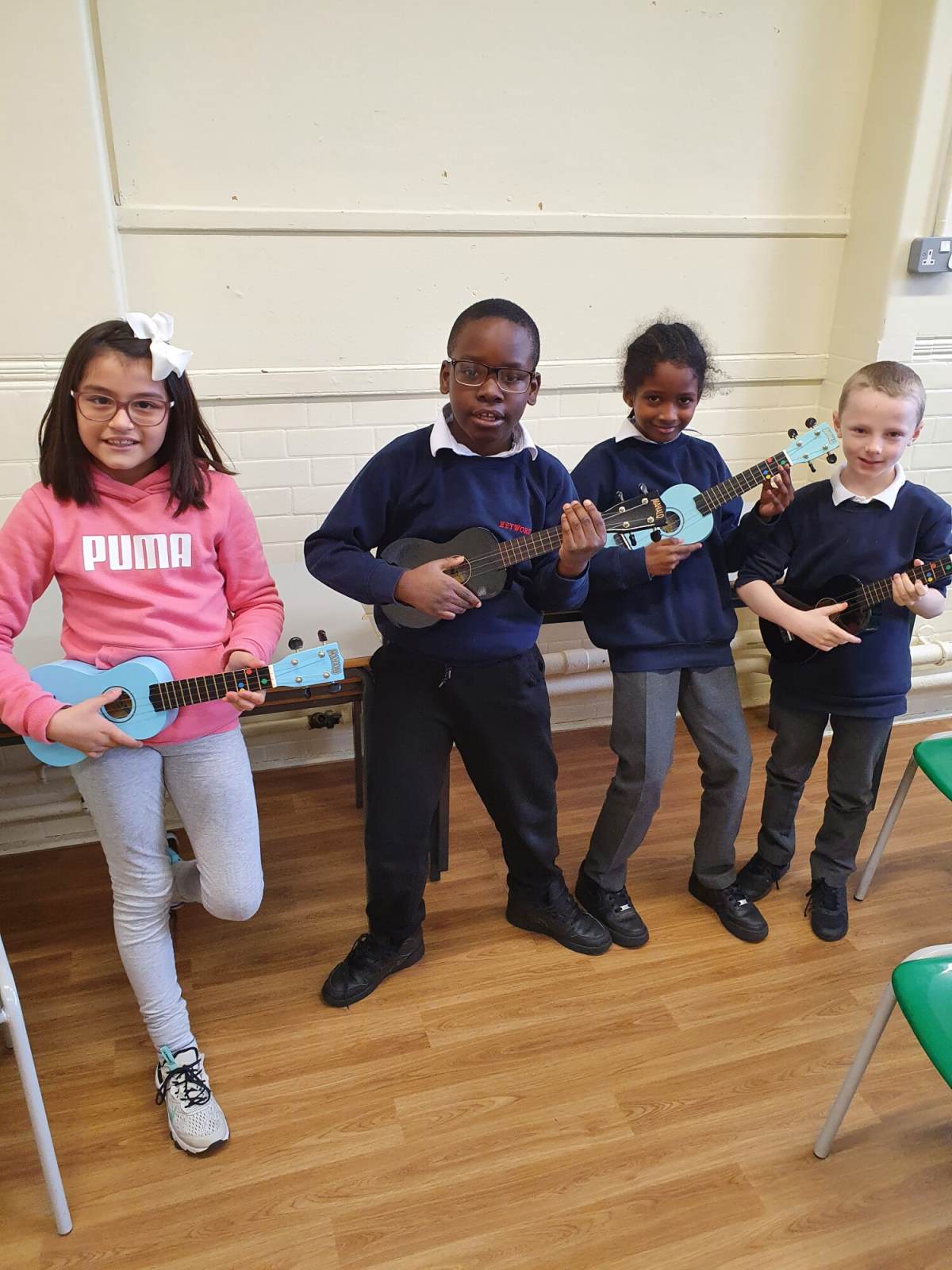
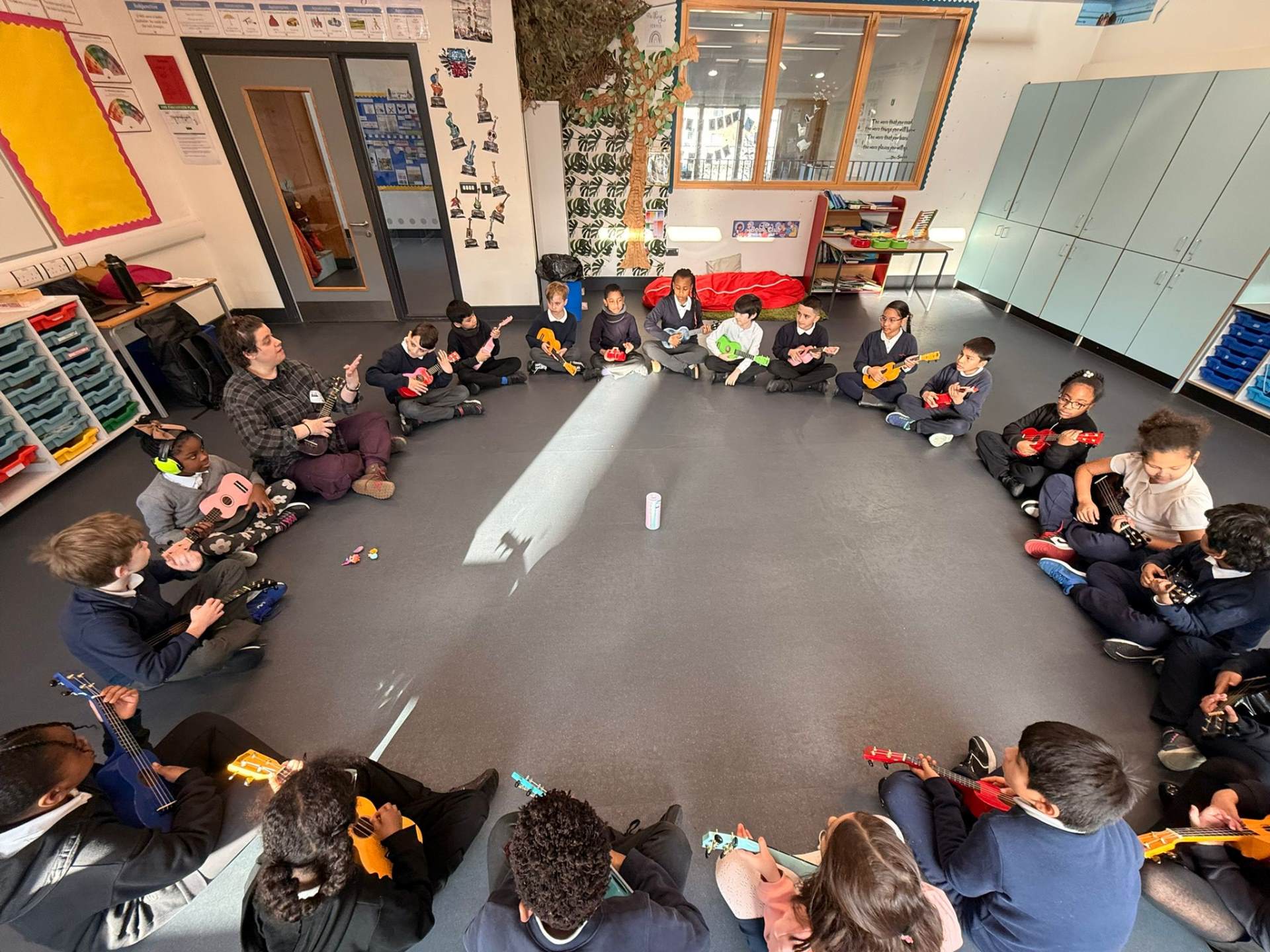
All through Year 4, the children build on the musical skills developed in Year 3, following the Primary National Curriculum, by learning to play the ukulele and developing greater confidence as performers and composers. They learn how to hold and play the instrument using plucking and strumming, explore the pentatonic scale, and begin to play a range of chords using accessible visual supports so that all children can succeed. Singing warm-ups, movement and listening activities continue to support rhythm, pitch and musical understanding.
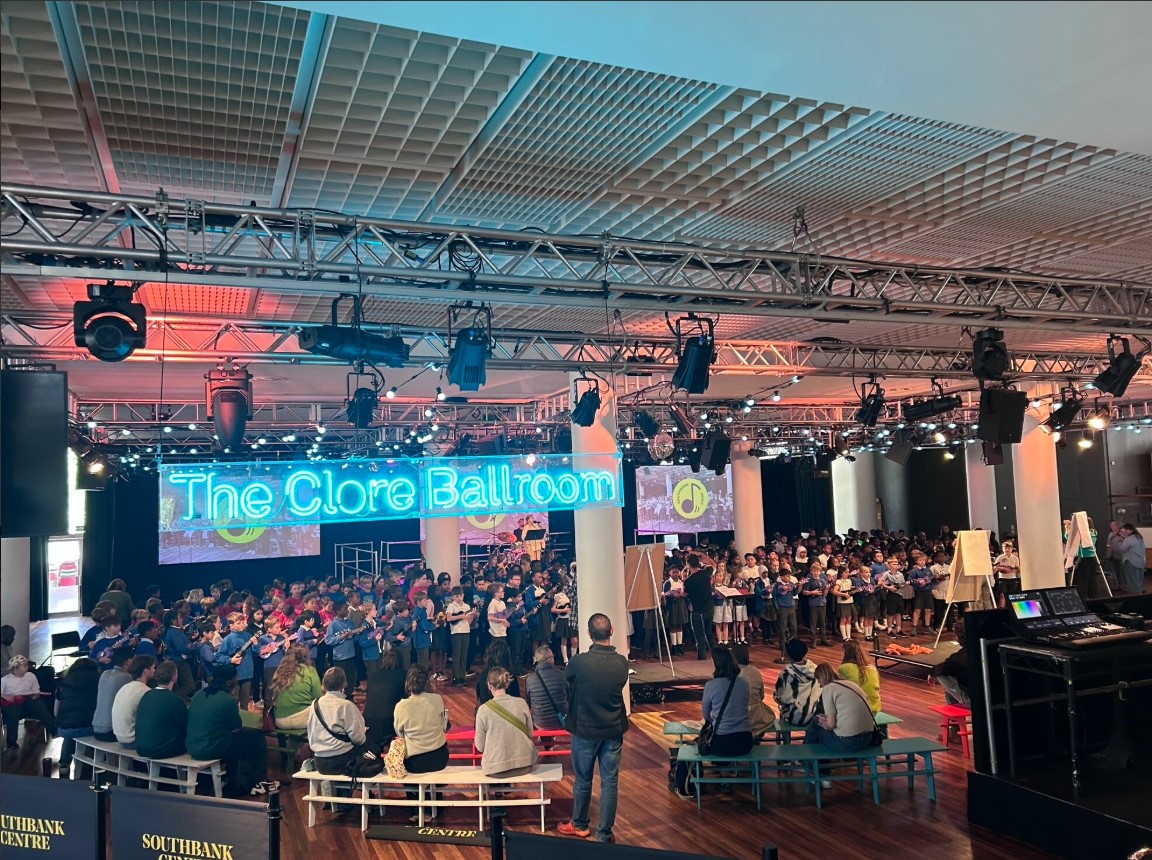
Across the year, the children listen to music from a variety of styles and genres, particularly those featuring string instruments, and use this to develop their musical vocabulary and awareness of tempo, dynamics and structure. They work towards performing a repertoire of songs from memory, take part in group and inter-school performances. In the summer term, the children apply their learning by composing and performing their own songs, working in small groups and refining their work through peer feedback. By the end of Year 4, the children are growing into confident instrumentalists who can perform, compose and work musically with others.
/i/video/Year_4_Ukulele.mp4
Year 5
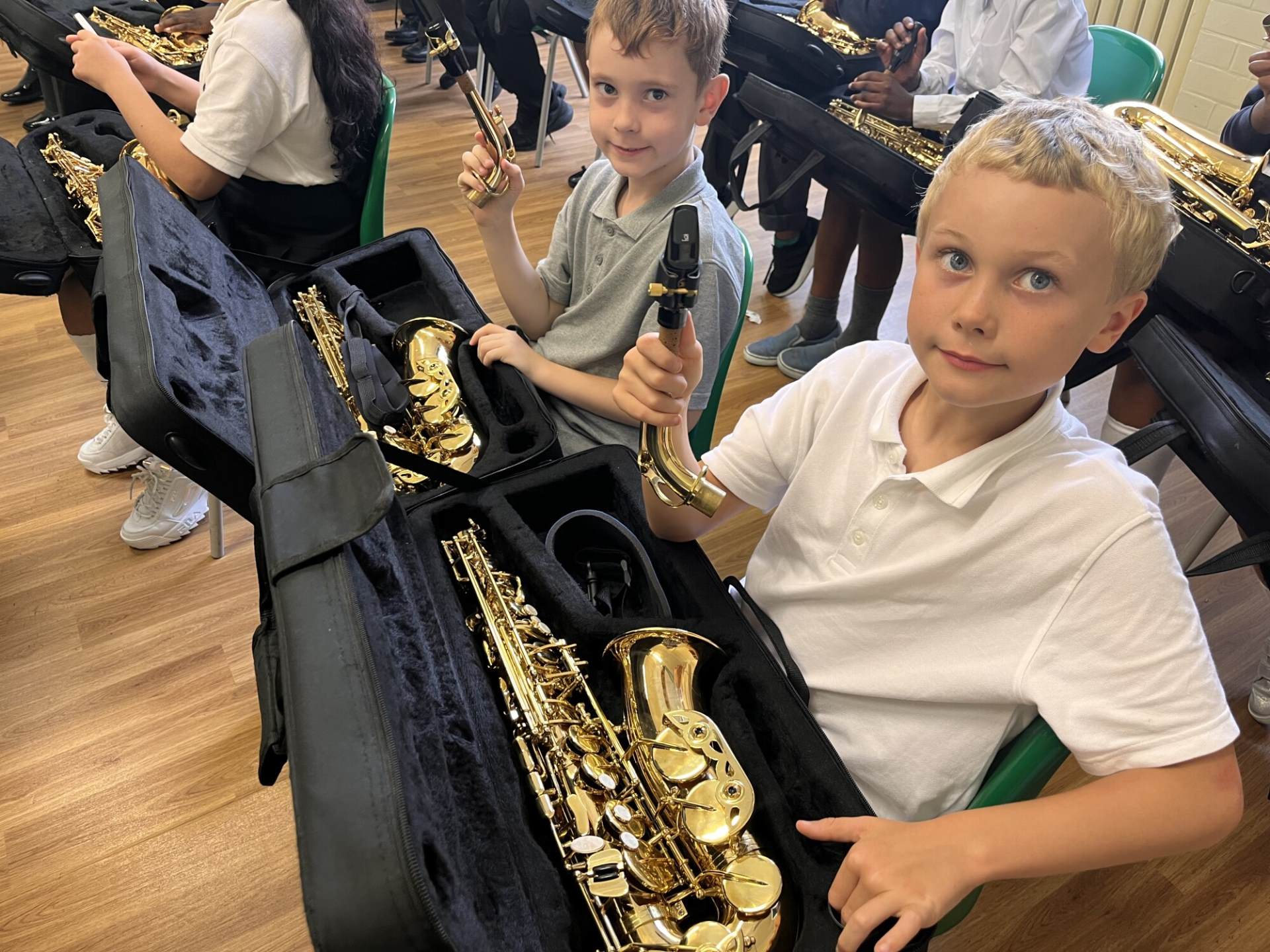
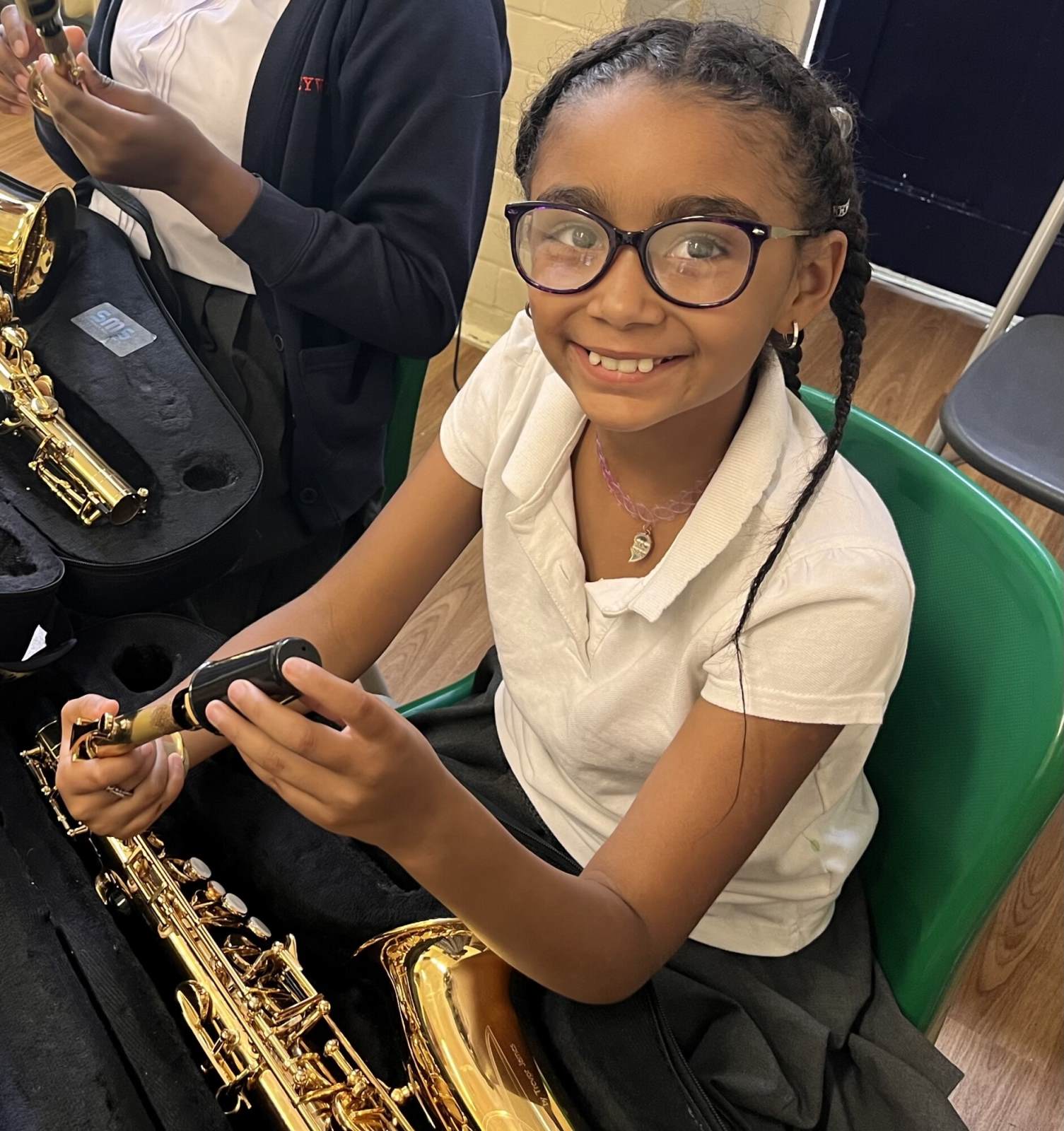
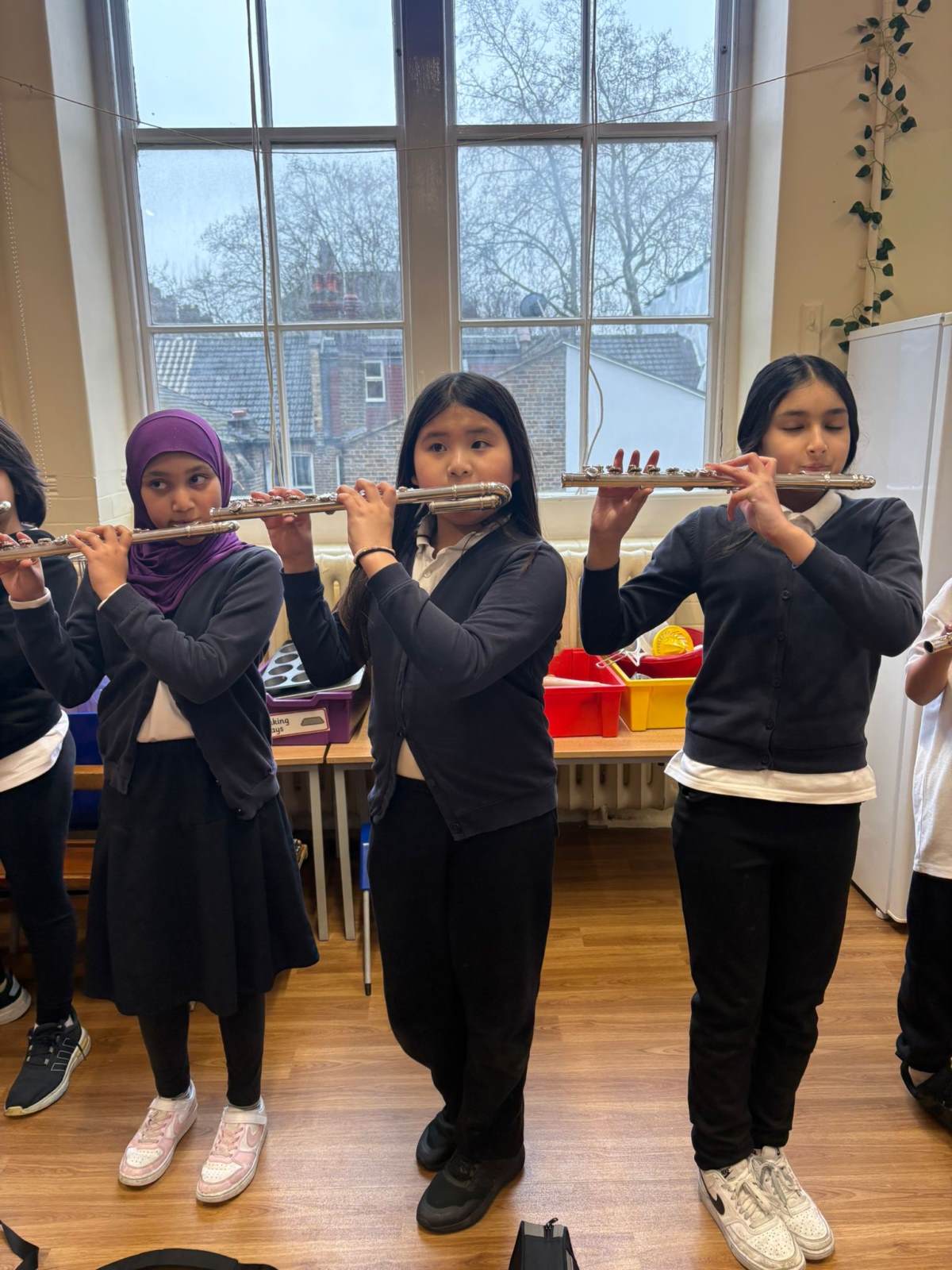
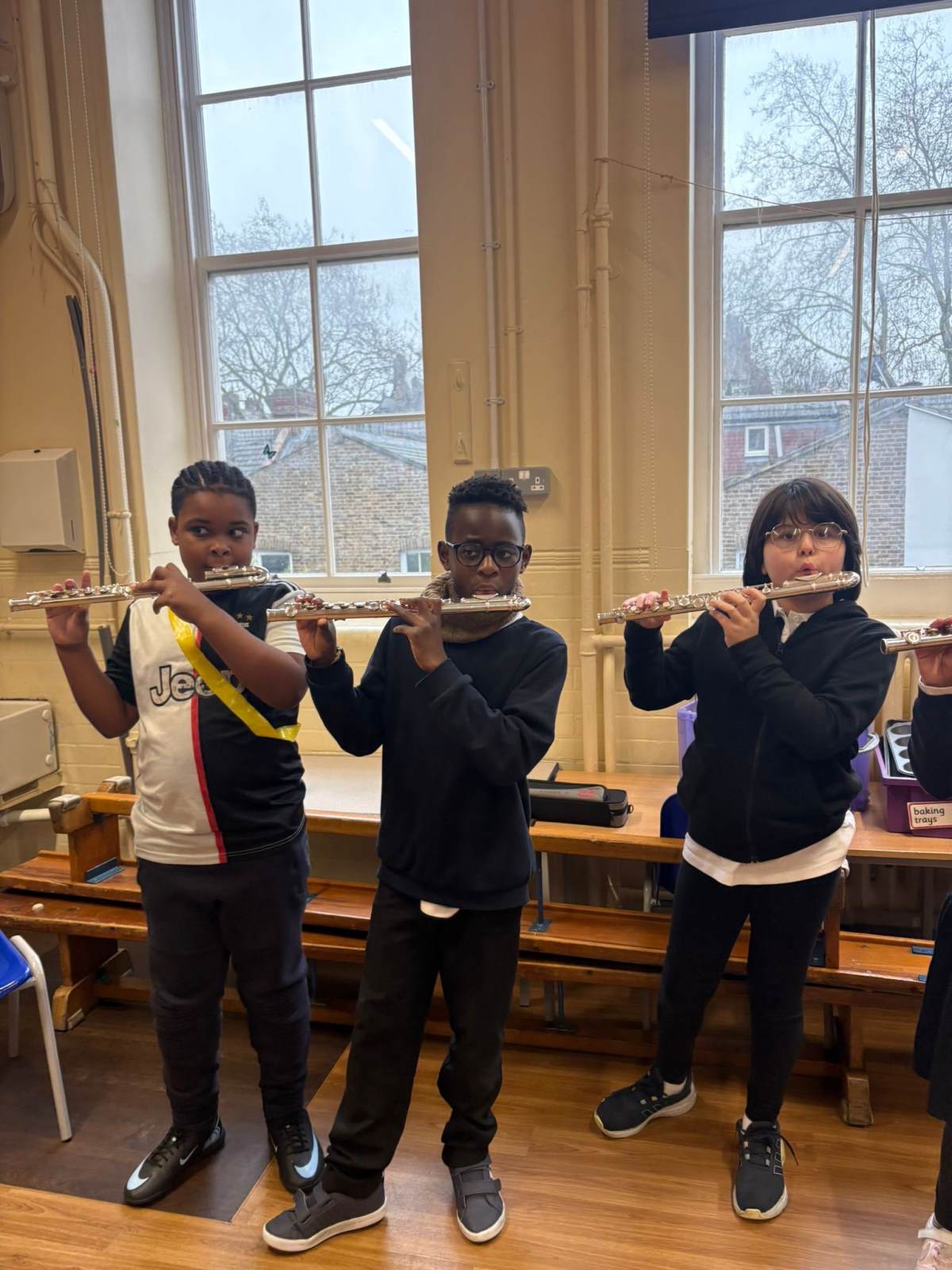
Throughout Year 5, the children build on the instrumental skills and musical understanding developed in the previous year, following the Primary National Curriculum, by learning to play woodwind instruments. Over the year, pupils are introduced to the clarinet and the flute, learning how each instrument is made, how sound is produced, and exploring their role in different musical traditions and cultures. The children begin by playing a small number of notes and gradually extend their range, developing good posture, breath control, embouchure and finger technique, supported by regular singing and rhythm warm-ups.
Across the year, the children learn to play a growing repertoire of pieces using backing tracks, listening skills and simple music notation, including symbols for articulation. They listen to a wide range of music featuring woodwind instruments from different genres and cultures, helping them deepen their musical understanding. By the end of Year 5, the children can read and play simple scores, perform confidently to an audience, and show increased independence, accuracy and expression in their music-making.
/i/video/VIDEO-2026-02-03-14-04-13.mp4
Year 6
In Year 6, the children build on the musical skills developed in previous years, in line with the Primary National Curriculum, by bringing together their learning in singing, composing, performing and listening. They explore how songs are structured using pitch, rhythm and form, and use this understanding to compose their own songs, creating melodies and rhythms and refining them through performance and reflection. The children continue to develop their rhythmic understanding, including compound time, and apply their knowledge of notation to read and create music with increasing confidence.
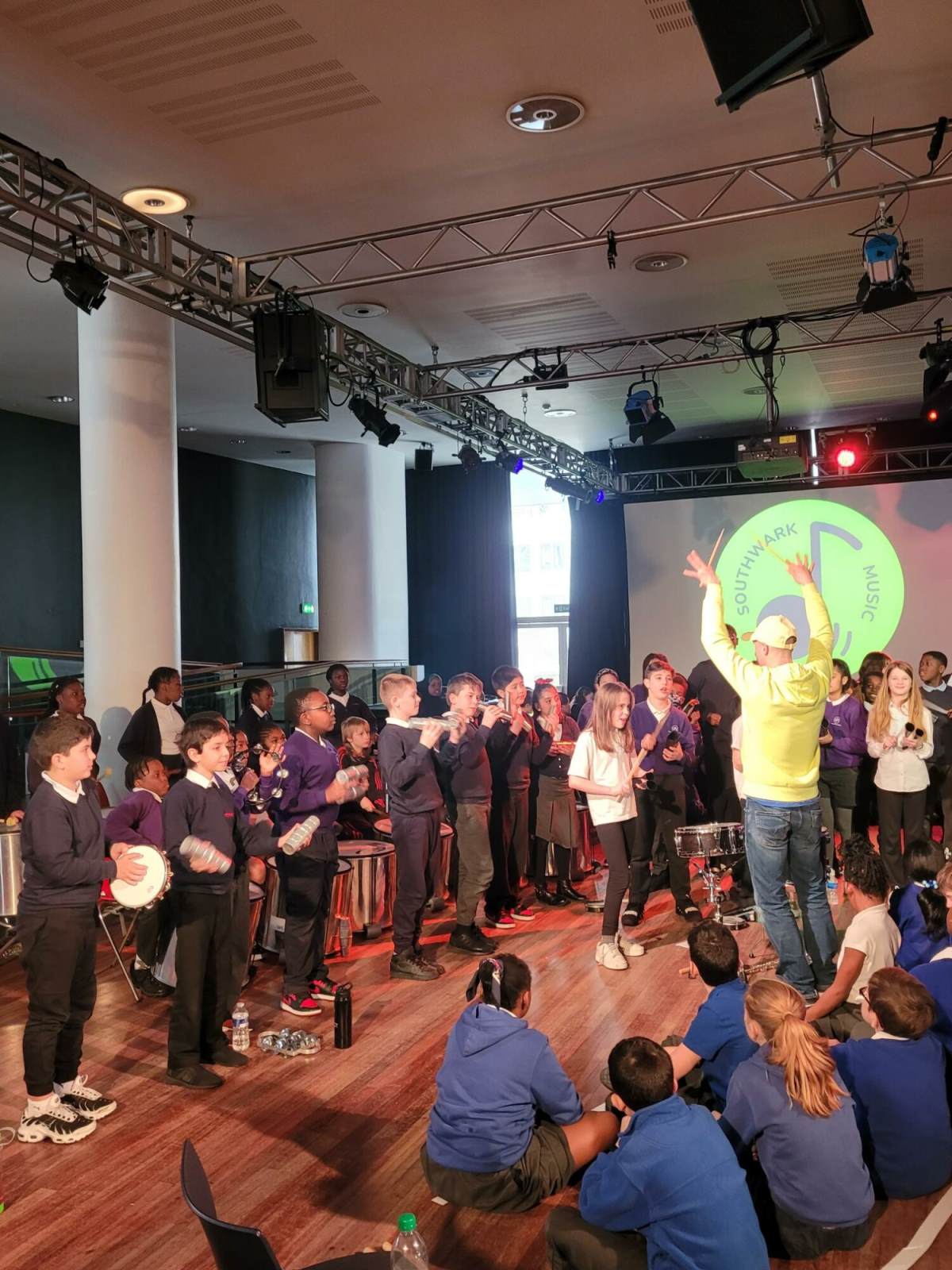
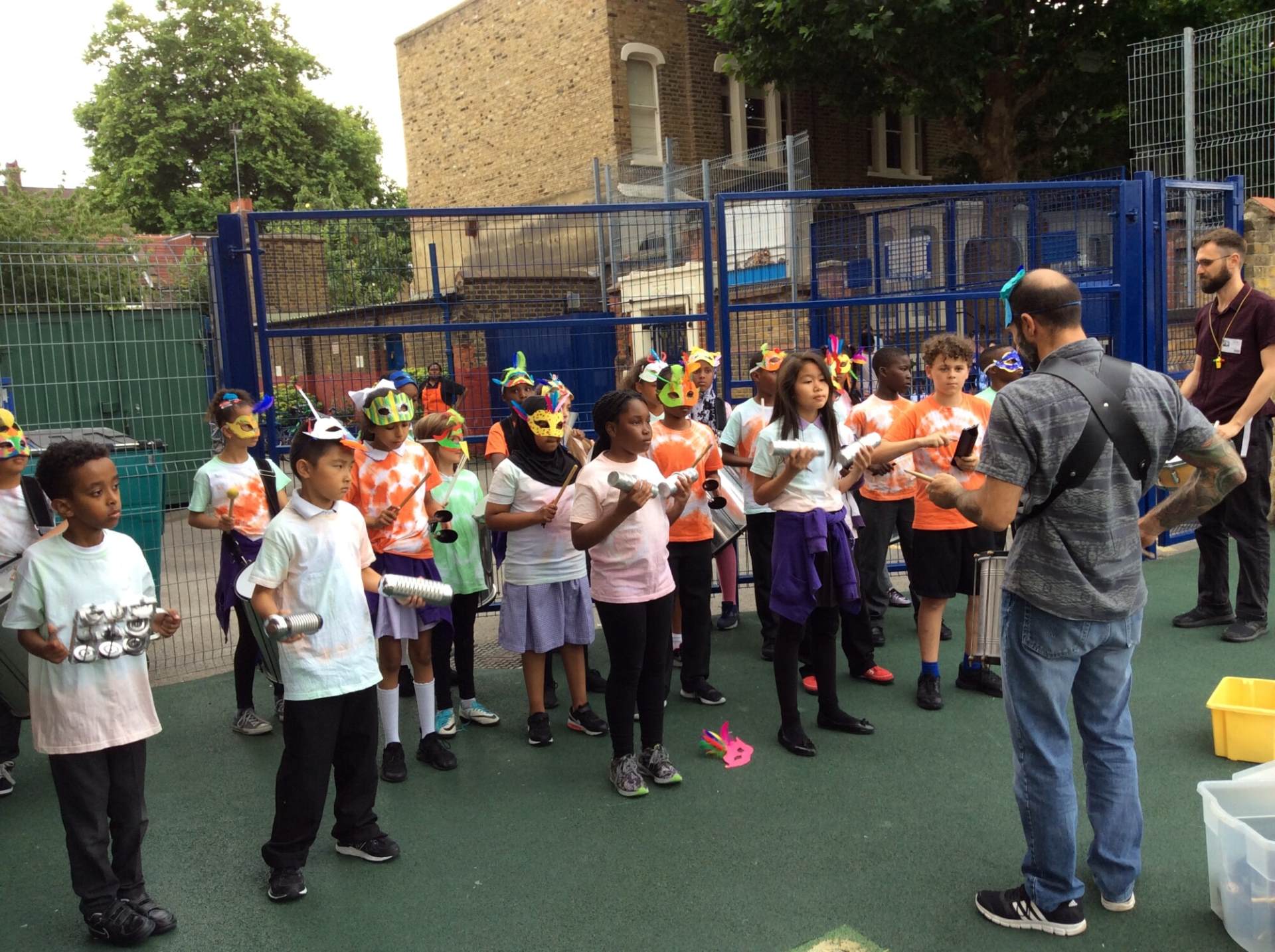
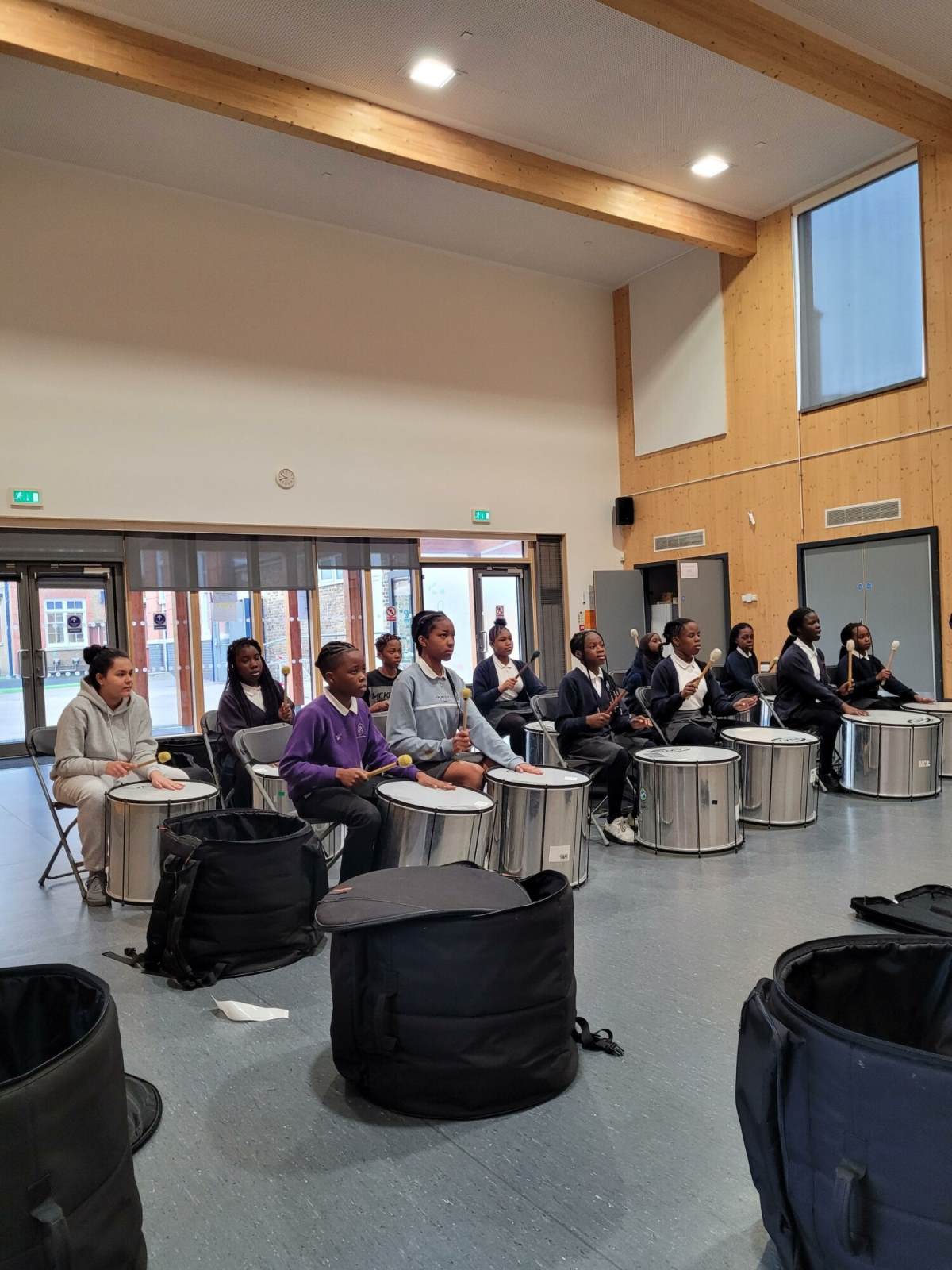
Across the year, the children experience a wide range of music, from historical styles to Samba and percussion traditions, developing teamwork, leadership and performance skills. They take part in performances of different scales, including school and community events. They also work collaboratively to create and perform their own compositions. By the end of Year 6, the children are more confident and expressive musicians who can combine musical elements creatively, perform in front of different audiences and reflect thoughtfully on their own and others’ music.
- Music Curriculum Statement download_for_offline